Iran-Israel Ceasefire Sparks UAE Travel Booking Recovery
UAE residents resume summer travel plans as Iran-Israel ceasefire announcement leads to lower airfares and restored confidence in regional travel safety.
By Vadim Kouznetsov, published
The recent ceasefire announcement between Iran and Israel has sparked a notable recovery in UAE travel bookings, offering respite to residents who had postponed their summer holiday plans amid regional tensions and elevated airfare costs.
Travel Confidence Returns After Regional Uncertainty
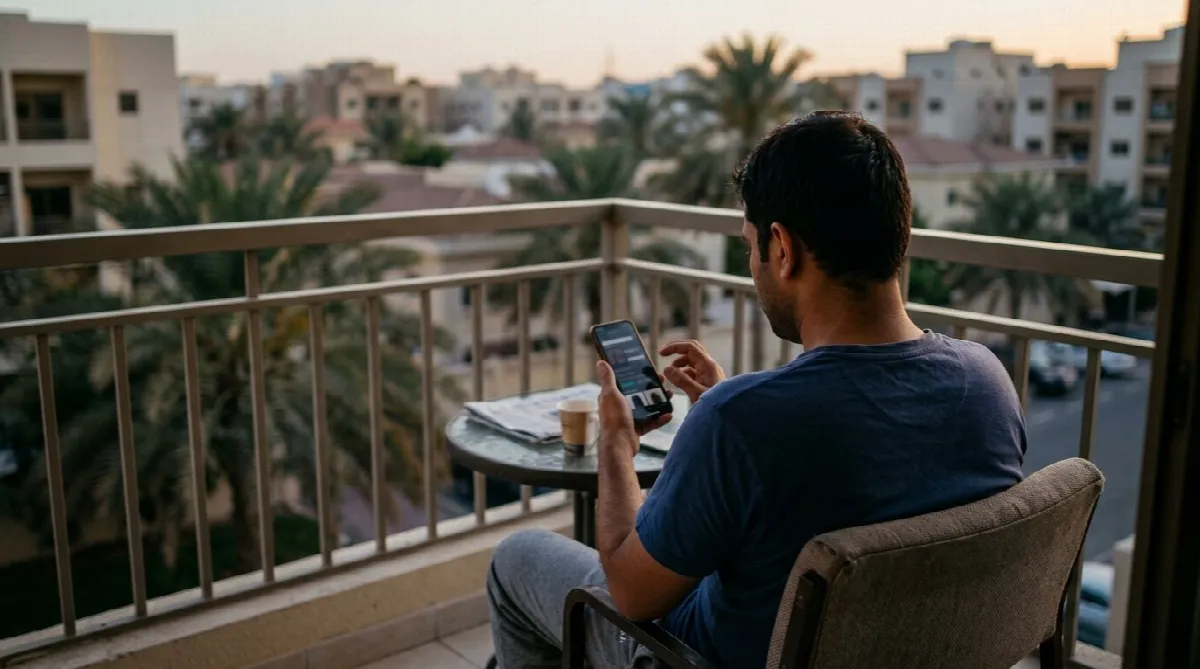
UAE residents are now moving forward with previously delayed travel arrangements following weeks of heightened regional tensions. The conflict escalation, triggered by US missile attacks on Iran’s nuclear facilities, had created widespread uncertainty about Middle East travel safety.
“People who didn’t book earlier are now going ahead because airfares have come down slightly after the ceasefire,” explained Subair Thekepurathvalappil, senior manager at Wisefox Tourism. “Many who didn’t cancel are sticking with their plans, while those who did are rebooking.”
The tourism industry has witnessed a shift in traveller behaviour, with some residents choosing domestic alternatives over international trips. This change reflects increased appreciation for UAE’s stability during regional crises.
Airlines Restore Normal Operations Rapidly
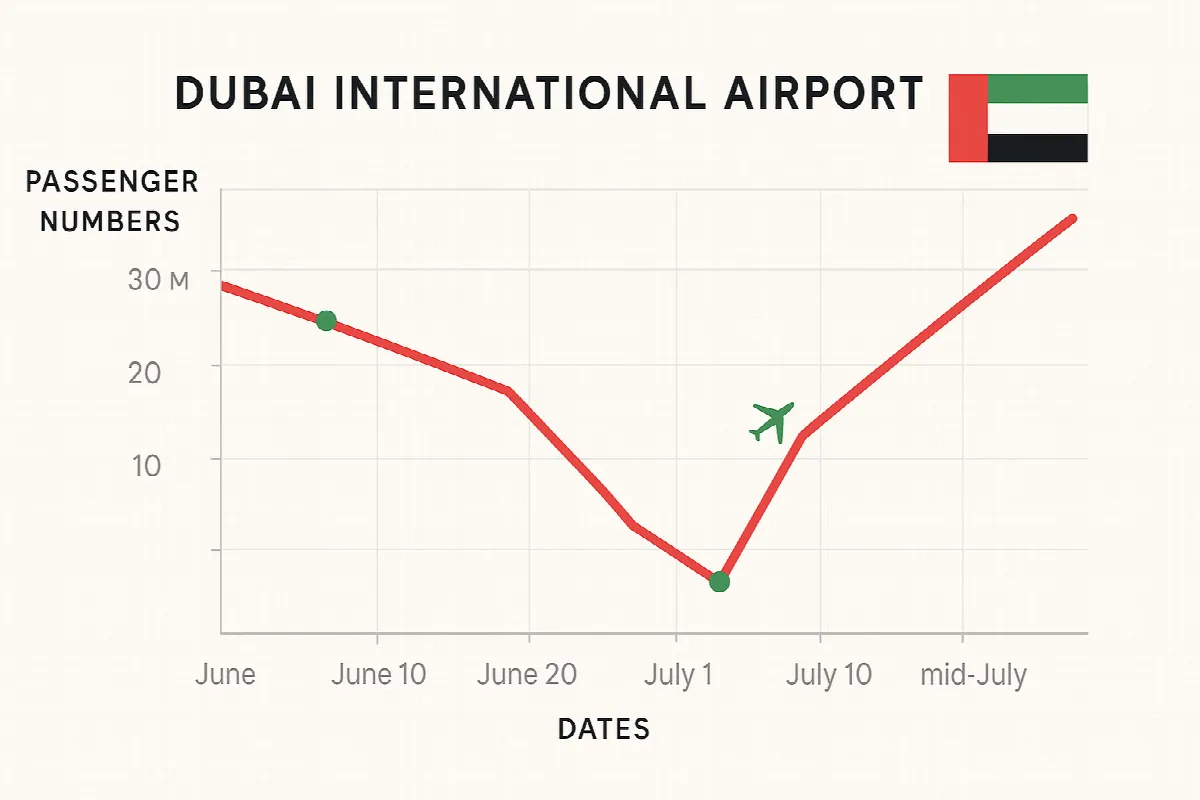
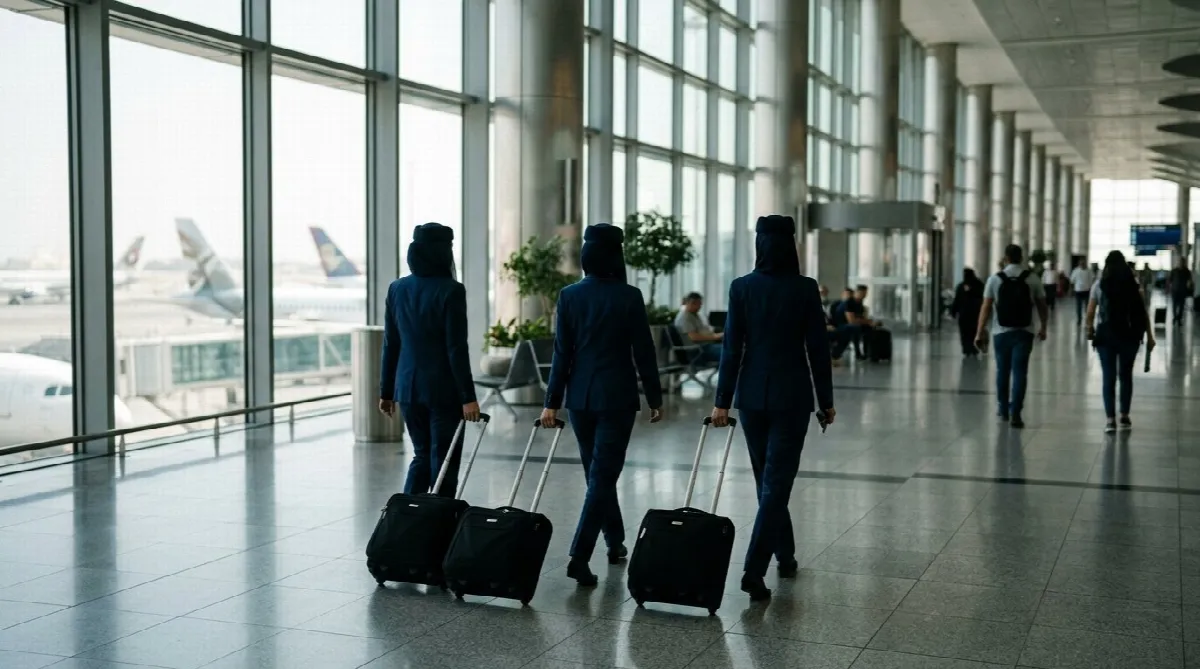
Commercial aviation resumed quickly following the ceasefire declaration. Major carriers reinstated regular flight schedules within hours, helping restore passenger confidence in regional air travel.
Dubai Airports announced exceptional passenger volumes for the coming fortnight. Dubai International Airport expects to process over 265,000 daily passengers, with more than 3.4 million travellers anticipated between June 27 and July 9. Peak travel day projections point to July 5 as the busiest period.
Emirates Airline issued summer travel advisories estimating over 30,000 outbound passengers daily from June 26 through June 30. These figures indicate strong recovery momentum following the recent uncertainty period.
Family Safety Considerations Drive Booking Decisions
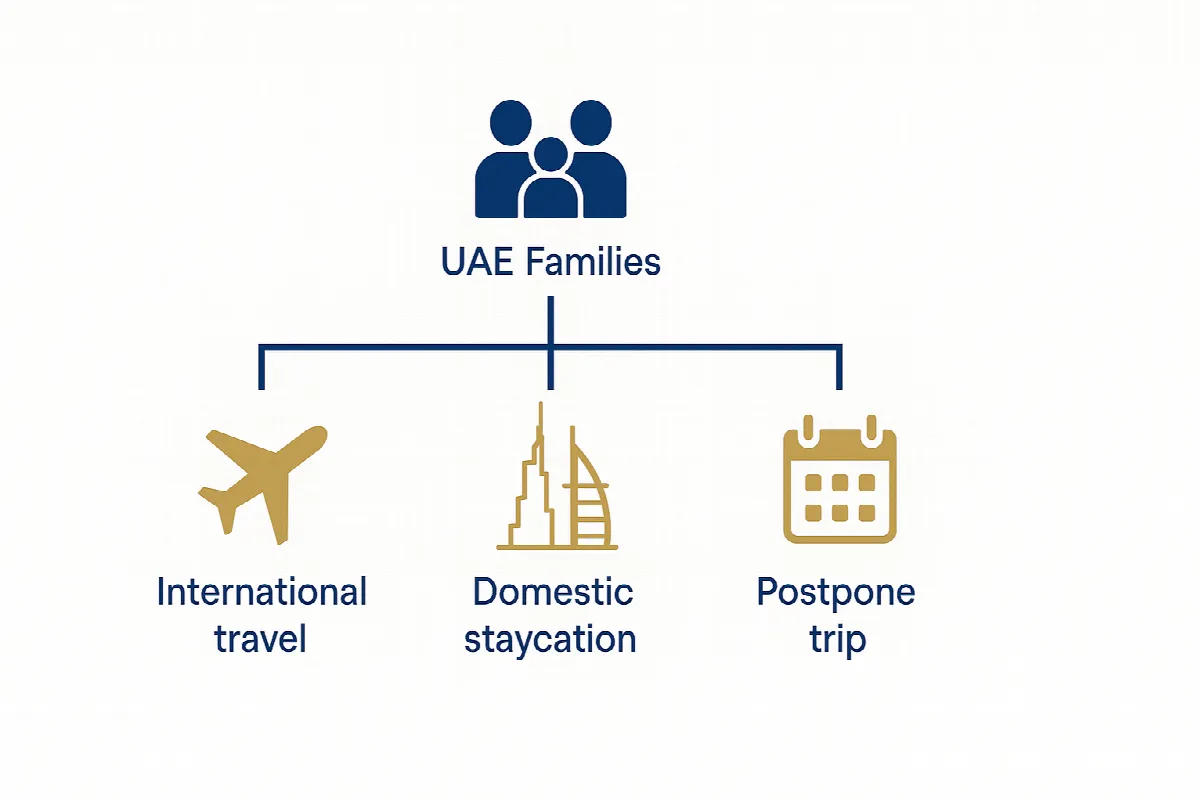
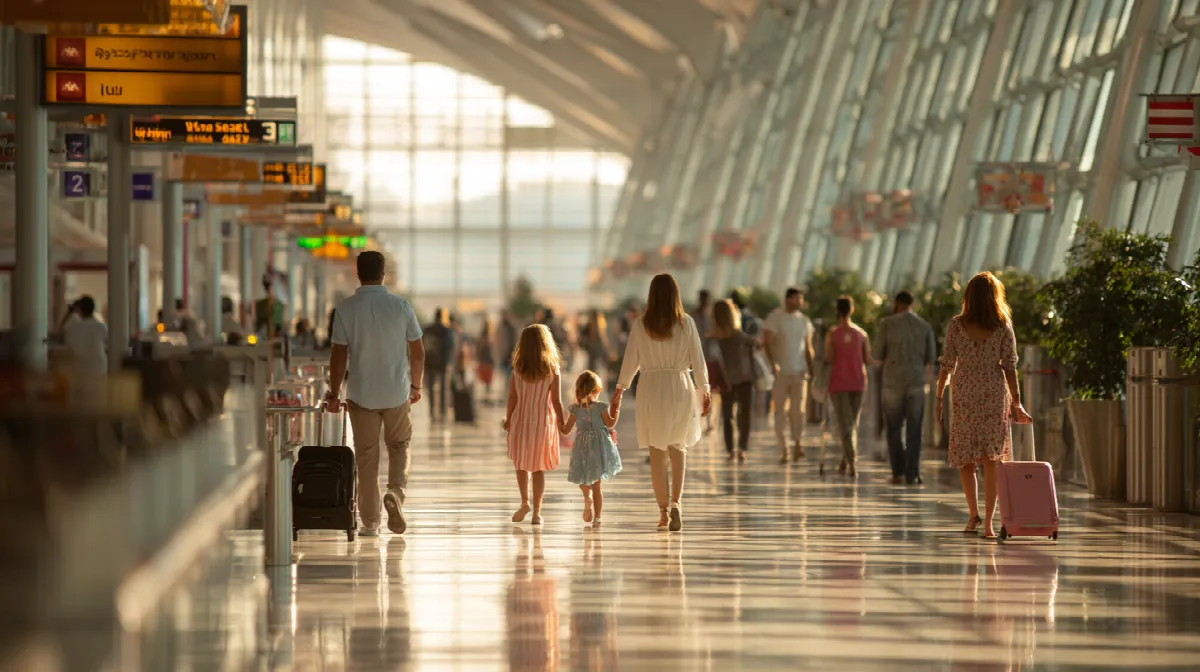
Parents with young children exercised particular caution during the conflict period. Rahul Iyer, a Dubai-based finance professional, represents many families who prioritised safety over convenience.
“Once the news of the missile strikes broke out, I held off booking,” Iyer explained regarding his planned Chennai trip. “With two young children, I wasn’t willing to take any risks. But after the ceasefire was announced and things went back to normal, I wanted to travel.”
Iyer eventually rebooked for July 3, taking advantage of slightly reduced airfare prices. His approach reflects broader family travel patterns during regional instability.
Domestic Tourism Benefits from International Hesitancy
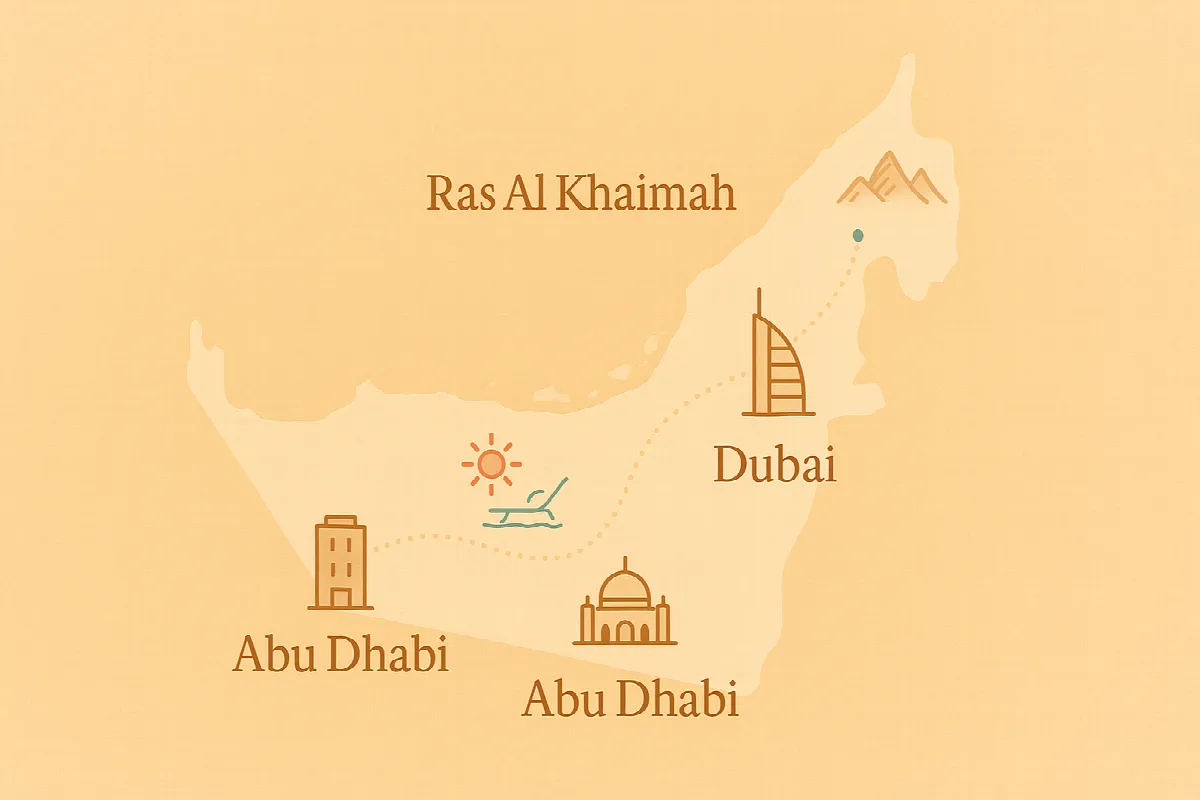
Some residents opted for complete travel plan changes, choosing UAE destinations over international alternatives. Fatima Salim, a Sharjah resident, cancelled her Pakistan trip entirely.
“When I saw how quickly the situation was escalating, with more countries possibly getting involved, I cancelled our trip,” Salim noted. “We have always seen how the UAE looks after its residents during emergencies, so we felt safer staying here.”
Her family now considers staycation options in Ras Al Khaimah or Fujairah, highlighting domestic tourism’s unexpected boost during international travel uncertainty.
Airspace Disruptions Created Travel Complications
The conflict period brought temporary airspace closures and flight diversions across the region. These operational challenges contributed to traveller anxiety beyond simple safety concerns.
Flight delays and rerouting became common, creating additional stress for passengers planning international trips. Many residents worried about getting stranded abroad if situations deteriorated further.
The rapid normalisation of flight operations has helped restore confidence in regional aviation infrastructure’s resilience during crisis periods.
Economic Impact on Travel Industry
Travel agencies report mixed impacts from the recent events. While some bookings were cancelled, others were simply postponed rather than permanently lost. The slight reduction in airfares following the ceasefire has helped stimulate new booking activity.
Last-minute booking patterns have emerged as travellers respond quickly to improved regional stability. This trend benefits both airlines and travel agencies dealing with previously uncertain demand forecasts.
Regional Stability Valued by Residents
The experience has reinforced many residents’ appreciation for UAE’s stability during regional challenges. This sentiment influences both travel decisions and longer-term residency satisfaction.
“Everything was so uncertain a few days ago. Flights were getting delayed or rerouted, and we didn’t want to get stuck abroad,” Iyer reflected. His comments echo broader resident sentiment about UAE’s comparative safety during regional instability.
The crisis response effectiveness demonstrated by UAE authorities has strengthened resident confidence in choosing local alternatives when international travel presents risks.
Key Takeaway
The Iran-Israel ceasefire has restored UAE residents’ travel confidence, leading to booking recoveries and slightly lower airfares, while reinforcing appreciation for the Emirates’ stability as a safe haven during regional conflicts.
Further Reading
Discover more about UAE travel and regional developments:
The UAE week, every Monday
The week's stories on jobs, visas, money and daily life in one short email. Unsubscribe in one click.