UAE Federal Fertility Centre: Government Plan to Address Birth Rate Decline
UAE announces federal fertility centre plan to support Emiratis facing infertility. National strategy aims to reverse 11% birth rate drop by 2025.
By Vadim Kouznetsov, published
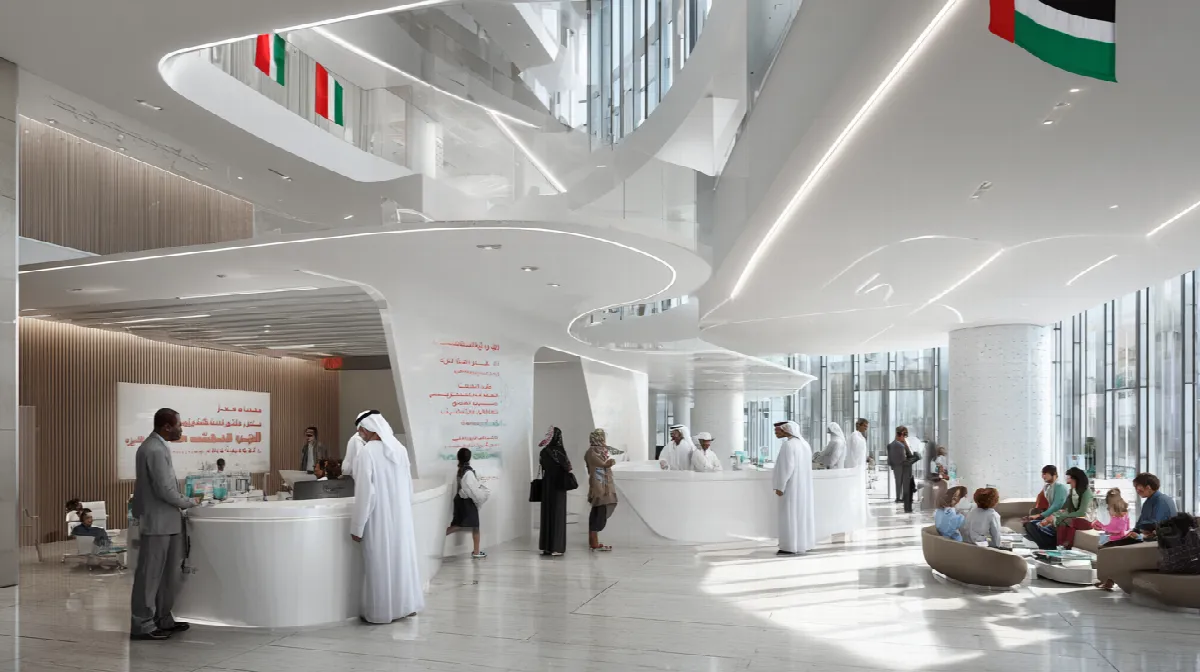
The UAE government has announced plans to establish a federal fertility centre as part of an ambitious strategy to reverse declining birth rates among Emiratis. This initiative represents a significant step towards addressing demographic challenges that could fundamentally alter the nation’s population structure within the next 25 years.
Federal National Council Approves Comprehensive Fertility Strategy
During Wednesday’s Federal National Council (FNC) session in Abu Dhabi, Minister of Family Sana Suhail confirmed that feasibility studies for the proposed fertility centre are currently underway. The centre will be developed through collaboration between the Ministry of Health and Prevention and Emirates Health Services.
The project has progressed to identifying suitable locations and determining service scope, with plans to integrate early reproductive counselling and fertility services into primary healthcare systems across the UAE.
Alarming Birth Rate Statistics Drive Policy Changes
Official data presented during the session revealed concerning demographic trends that have prompted immediate government action:
Key statistics from 2015-2022:
- 11% decline in Emirati births
- 5% increase in non-citizen births
- 2022 births: 30,889 Emiratis vs 65,762 expatriates
FNC member Sultan Al Zaabi warned that without swift intervention, “Emiratis could make up less than 10% of the population in 25 years.” This demographic shift threatens economic growth, social stability, and the preservation of national identity.
Comprehensive National Strategy Expected by End of 2025
Minister Suhail announced that a unified national strategy to enhance birth rates will be approved and announced before the end of 2025. This strategy involves collaboration with 17 federal and local entities, establishing clear governance frameworks under the country’s leadership oversight.
“The issue of fertility and reproductive health is a national priority,” Suhail emphasised, highlighting the government’s commitment to addressing this challenge through evidence-based policy making.
FNC Adopts 15 Strategic Recommendations
The council approved comprehensive recommendations addressing multiple aspects of family support:
Workplace policy reforms:
- Revised maternity leave entitlements
- Enhanced breastfeeding support provisions
- Introduction of childcare leave
- Remote work policy reviews prioritising working mothers
Healthcare coverage expansion:
- Nationwide insurance coverage for fertility treatments
- Accelerated federal fertility centre establishment
- Improved access for Northern Emirates residents
- Reduced treatment costs through government support
Rising Marriage Age Poses Additional Challenges
Council members raised concerns about changing social patterns affecting fertility rates. Dr Moza Al Shehhi noted that many young Emiratis now marry after age 30, directly impacting national fertility and marriage statistics.
Minister Suhail acknowledged these behavioural and psychological factors: “We are rethinking how we support young people at every stage — before and after marriage. The focus extends beyond financial support to address emotional and societal challenges.”
Lifestyle Factors Impact Reproductive Health
FNC member Amna Al Adidi highlighted lifestyle-related infertility causes, including unhealthy habits, smoking, and performance-enhancing substance use among young men. The minister confirmed that reproductive health forms a dedicated track within the national strategy, with data collection and policy development grounded in medical evidence.
Economic Pressures Influence Family Planning Decisions
Economic factors emerged as significant barriers to larger families during the session. Members cited rising living costs, inadequate housing, and insufficient family allowances as key deterrents.
Mohammed Hassan Al Dhahouri urged policymakers to “treat family incentives not as social aid, but as a national investment.” Minister Suhail confirmed the strategy would include economic proposals aligned with family size and long-term social stability.
Housing Policy Review Supports Extended Families
The council called for reassessment of housing plot sizes and policies, noting that smaller family homes may discourage couples from having more children. Minister Suhail revealed the ministry is collaborating with the Ministry of Energy and Infrastructure to explore housing solutions supporting extended families.
Community Engagement and Awareness Campaigns
Local community councils will play crucial roles in shaping public attitudes towards family planning. The ministry plans awareness campaigns across social media and national platforms to promote “positive and responsible parenthood” culture.
“The goal is to embed family values and the importance of parenthood from early life stages, and to empower citizens to make confident choices,” Suhail explained.
Implementation Timeline and Accountability
FNC members emphasised the need for actionable outcomes rather than theoretical frameworks. “This should not be another cycle of studies and recommendations,” stated member Najla Al Shamsi. “The numbers are clear, the challenge is real — now we need action.”
The government’s approach moves beyond traditional welfare perspectives, focusing on building supportive environments for sustainable population growth.
Key Takeaway
The UAE’s federal fertility centre initiative represents a comprehensive government response to demographic challenges threatening national identity and economic stability. With Emirati births declining 11% between 2015-2022, the planned centre and accompanying national strategy aim to reverse this trend through integrated healthcare services, policy reforms, and community engagement programmes scheduled for implementation by 2025.
Integration with Primary Healthcare Systems
The fertility centre will integrate reproductive counselling and fertility services into primary healthcare centres nationwide. This approach targets improved accessibility, particularly for residents in the Northern Emirates where current access remains limited and treatment costs prohibitive.
Medical staff training forms a key component of the implementation plan, guaranteeing standardised care quality across all regions. The centre will offer advanced fertility treatments previously unavailable through public healthcare systems.
Long-term Population Sustainability Goals
The initiative reflects broader governmental recognition that population demographics directly impact national development objectives. Economic growth, social stability, and cultural preservation depend on maintaining balanced population ratios between citizens and residents.
Government officials view this strategy as essential infrastructure investment rather than social spending, positioning family support services as fundamental components of national development planning.
Further Reading
Explore these related articles for comprehensive UAE policy and demographic information:
The UAE week, every Monday
The week's stories on jobs, visas, money and daily life in one short email. Unsubscribe in one click.