Middle East Gen Z Millennials Choose Purpose Over Promotions 2025
Middle East Gen Z and millennials prioritise purpose, mental health, and financial security over corporate titles. Deloitte survey reveals career revolution.
By Vadim Kouznetsov, published

Young professionals across the Middle East are fundamentally reshaping workplace expectations, prioritising financial security, mental well-being, and personal purpose over traditional career markers like executive titles and corporate promotions, according to groundbreaking research from Deloitte Global.
Regional Demographics Drive Workforce Transformation
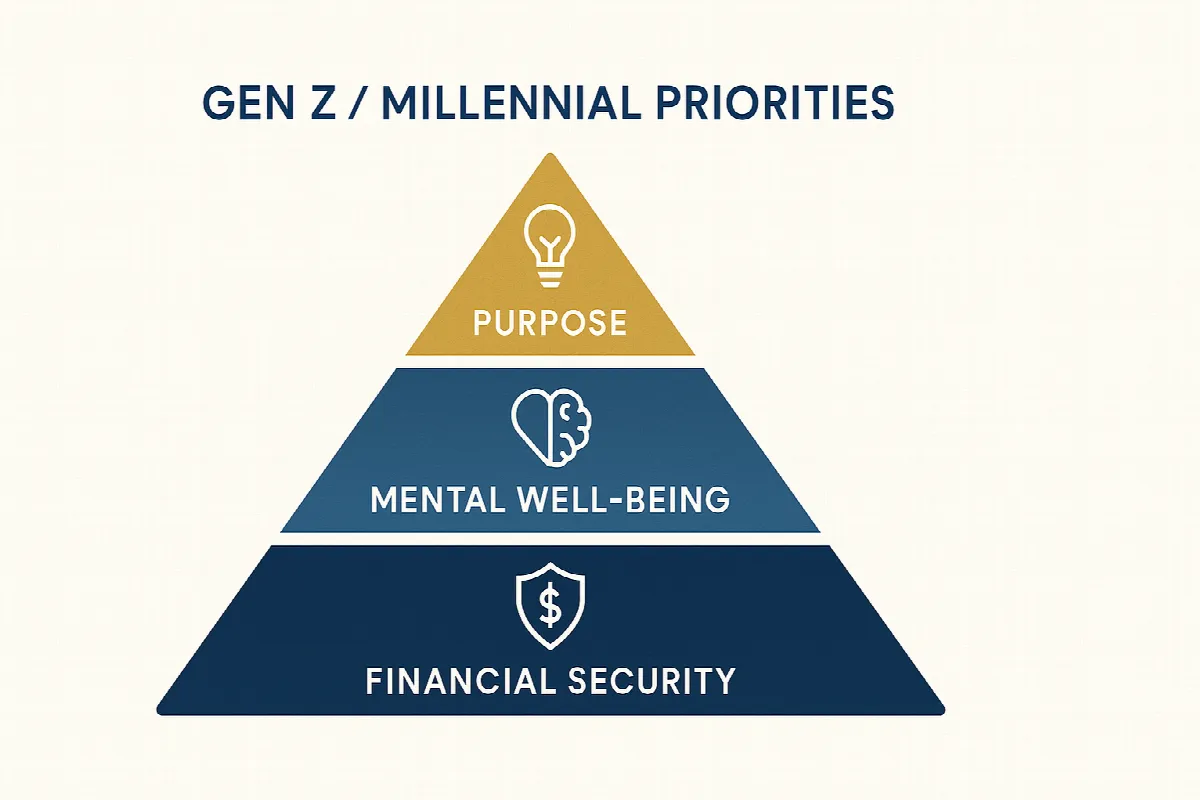
The Middle East represents one of the world’s youngest regions by demographic composition, with more than 60% of the population under 30 years old. This youthful workforce includes two-thirds of Saudi nationals and nearly half of the UAE population, creating a generational shift that’s redefining professional success.
The 14th edition of Deloitte’s Gen Z and Millennial Survey captures responses from over 23,000 participants across 44 countries, providing detailed insights into how young Middle Eastern professionals approach their careers.
Financial Insecurity Rises Despite Economic Growth
A concerning trend emerges from the data: financial anxiety among young workers has increased significantly. Currently, 48% of Gen Z and 46% of millennials report feeling financially insecure—a substantial jump from 30% and 32% respectively last year.
This growing financial uncertainty occurs despite the region’s economic development, suggesting that rising living costs and evolving lifestyle expectations are outpacing salary growth for many young professionals.
The data reflects broader concerns about economic stability and career security that affect decision-making across age groups in the UAE employment market.
Purpose-Driven Career Choices Dominate
An overwhelming majority of young professionals view purpose as fundamental to job satisfaction. The survey reveals that 89% of Gen Z and 92% of millennials believe a sense of purpose is key to workplace happiness.
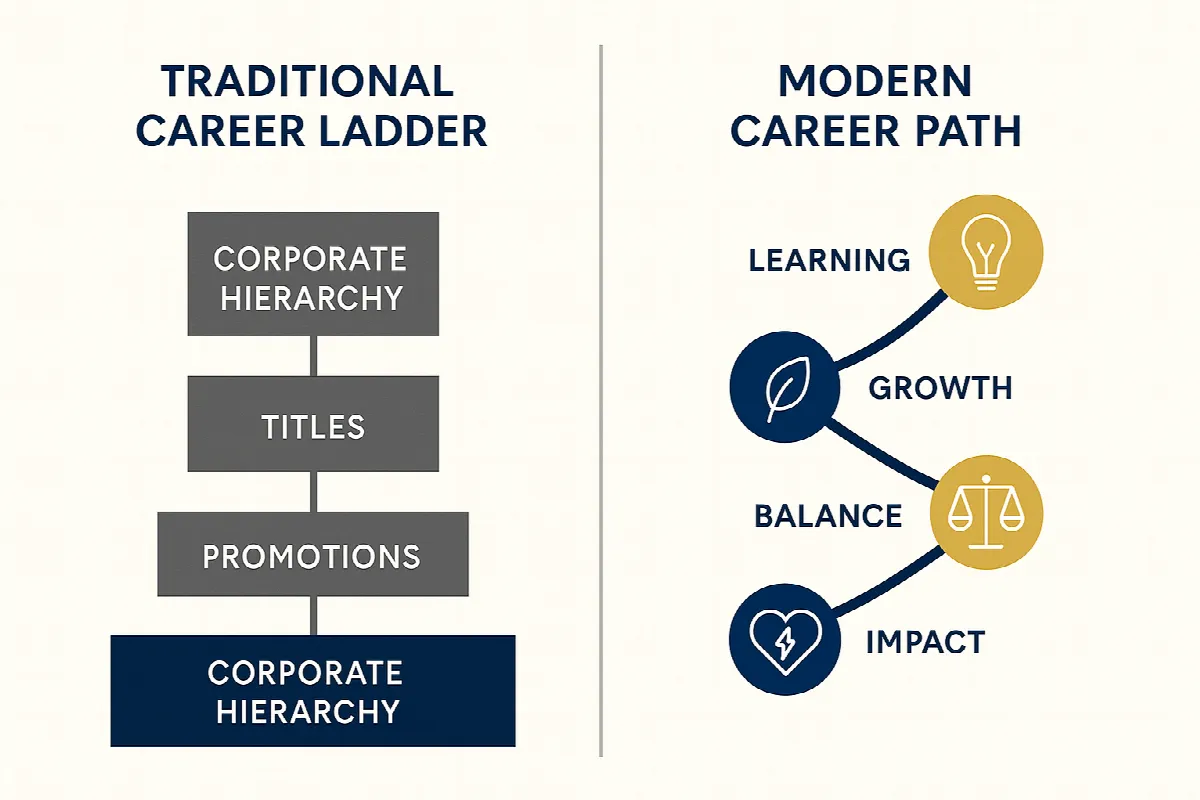
This shift represents a dramatic departure from previous generations who often prioritised salary advancement and hierarchical progression. Only 6% of Gen Z workers now rank senior leadership as their primary career goal.
Instead, young professionals prefer positions that offer learning opportunities, personal growth, work-life balance, and positive societal impact. This preference aligns with changing workplace dynamics observed in the UAE, where employers are adapting to accommodate these evolving expectations.
Money, Meaning, and Mental Health Form Career Trinity
The research identifies three primary career drivers for young Middle Eastern professionals:
Financial Security: Despite seeking purpose, practical financial concerns remain paramount, especially given rising living costs across Gulf countries.
Personal Meaning: Work must align with individual values and contribute to broader societal goals beyond profit generation.
Mental Well-being: Professional roles must support rather than compromise psychological health, with clear boundaries between work and personal life.
This trinity reflects a more holistic approach to career planning, where traditional metrics like salary alone no longer determine job satisfaction.
Artificial Intelligence Shapes Future Expectations
Three-quarters of survey respondents expect Generative AI to reshape their jobs within the next year, with over 50% already incorporating AI tools into their daily work routines. However, this technological integration brings mixed emotions.
Approximately 60% worry that AI could eliminate jobs entirely, creating uncertainty about long-term career prospects. Yet young professionals also recognise opportunities within this technological shift.
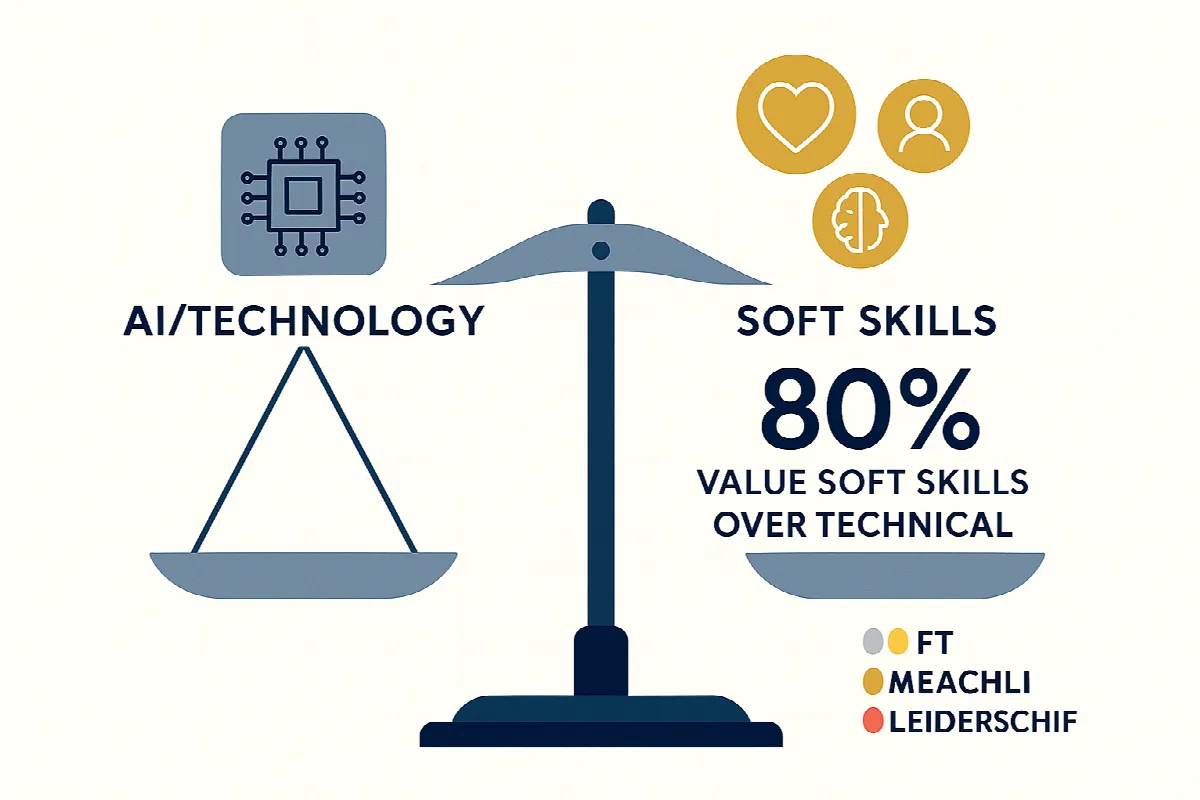
More than 80% believe soft skills—including empathy, leadership, and emotional intelligence—will become more important than technical skills for long-term career success. This perspective suggests young workers view AI as a complement rather than replacement for human capabilities.
The emphasis on soft skills aligns with future career trends identified in Dubai, where interpersonal abilities increasingly differentiate successful professionals.
Educational System Faces Relevance Questions
Young professionals increasingly question higher education’s effectiveness in preparing them for modern workplace demands. Roughly one in four respondents express uncertainty about whether their academic training truly prepares them for current job market realities.
This scepticism reflects rapid technological change and evolving industry requirements that traditional educational institutions struggle to address. Many young professionals seek alternative learning pathways that provide practical, immediately applicable skills.
The disconnect between academic preparation and workplace requirements creates opportunities for employers who invest in comprehensive training and development programmes for new hires.
Regional Leadership Responds to Generational Shift
Rana Salhab, People and Purpose Managing Partner at Deloitte Middle East, emphasises that young professionals aren’t lacking ambition but redefining it: “Gen Zs and millennials are rebalancing priorities at work, amid a dynamic business landscape constantly reshaped by technologies such as AI.”
She describes this trend as “a redefinition of ambition, not a lack of it. Younger people want to build careers aligned with their aspirations.”
Mutasem Dajani, CEO of Deloitte Middle East, highlights the imperative for organisational adaptation: “As our region undergoes ongoing economic and social transformation, plus disruption from emerging technologies, organisations must recognise and adapt to youth priorities.”
Implications for UAE Employers
The survey findings present both challenges and opportunities for Middle Eastern employers, particularly in the UAE where diverse generational expectations already create complex workplace dynamics.
Retention Strategies: Companies must offer more than competitive salaries to attract top young talent. Purpose-driven roles, mental health support, and clear growth pathways become essential.
Training Investment: With questions about educational relevance, employers who provide comprehensive skill development programmes gain competitive advantages in talent acquisition.
Flexible Work Models: Traditional corporate structures may need modification to accommodate preferences for work-life balance and meaningful contribution over hierarchical advancement.
Technology Integration: Organisations must thoughtfully implement AI while emphasising human skills that complement technological capabilities.
Mental Health Takes Centre Stage
The emphasis on mental well-being represents a significant shift from previous generational attitudes toward work. Young professionals no longer accept the premise that career success requires sacrificing personal health or happiness.
This change influences everything from benefit package expectations to daily work environment preferences. Employers who fail to address mental health concerns risk losing talent to competitors who prioritise employee well-being.
The trend reflects broader mental health awareness growing across UAE workplaces, where work-life balance has become a non-negotiable expectation rather than a luxury.
Future Workforce Development
As millions of young people enter or navigate the Middle Eastern workforce, these findings offer critical guidance for employers, educators, and policymakers seeking to retain and empower regional talent.
The research suggests successful organisations will:
Align Company Values: Clearly communicate how individual roles contribute to broader societal goals and organisational purpose.
Invest in Human Skills: Develop emotional intelligence, leadership, and interpersonal capabilities alongside technical training.
Create Flexible Pathways: Offer diverse career progression routes that don’t solely rely on traditional hierarchical advancement.
Support Well-being: Implement comprehensive mental health resources and work-life balance policies.
Building Human-Centred Leadership
The call for “human-centred leadership” reflects young professionals’ desire for managers who understand technology’s impact whilst supporting workforce development. This leadership style balances organisational goals with individual well-being and professional growth.
Successful leaders in this environment must demonstrate empathy, provide meaningful feedback, and create environments where purpose and productivity coexist harmoniously.
The research indicates that companies embracing these leadership principles will be better positioned to attract and retain the region’s abundant young talent.
Key Takeaway: Middle East Gen Z and millennials are redefining career success by prioritising financial security, mental well-being, and personal purpose over traditional promotions. With 89% of Gen Z and 92% of millennials viewing purpose as key to job satisfaction, employers must adapt human-centred leadership approaches to retain talent in the region’s young workforce.
Further Reading
The UAE week, every Monday
The week's stories on jobs, visas, money and daily life in one short email. Unsubscribe in one click.