US Travel Advisory UAE Level 2: Essential Safety Guide for Americans 2025
US maintains Level 2 travel advisory for UAE due to regional tensions. Essential safety tips, requirements, and what American travellers need to know.
By Vadim Kouznetsov, published

Key Takeaway: The US maintains a Level 2 travel advisory for the UAE, urging American citizens to exercise increased caution due to regional tensions, but this doesn’t prevent travel – it simply requires heightened awareness and preparation.
American travellers planning visits to the UAE face continued uncertainty as the United States maintains its Level 2 travel advisory for the Emirates. This “exercise increased caution” warning, in place since January 6, 2025, reflects ongoing regional tensions rather than specific threats within the UAE itself.

Understanding the Current Advisory Status
The Level 2 advisory represents the second tier in the US State Department’s four-level travel warning system. Whilst not a prohibition on travel, it acknowledges heightened risks that require additional vigilance from American citizens visiting the region.
The US Embassy in Abu Dhabi and Consulate General in Dubai remain fully operational, indicating no immediate change in diplomatic security posture. This operational continuity suggests that whilst caution is warranted, normal diplomatic functions continue without disruption.
Regional developments have created an environment where attacks targeting US citizens and interests pose elevated risks. The advisory specifically cites ongoing tensions across the Middle East as the primary concern affecting American travellers’ safety calculations.
Regional Context Driving the Advisory
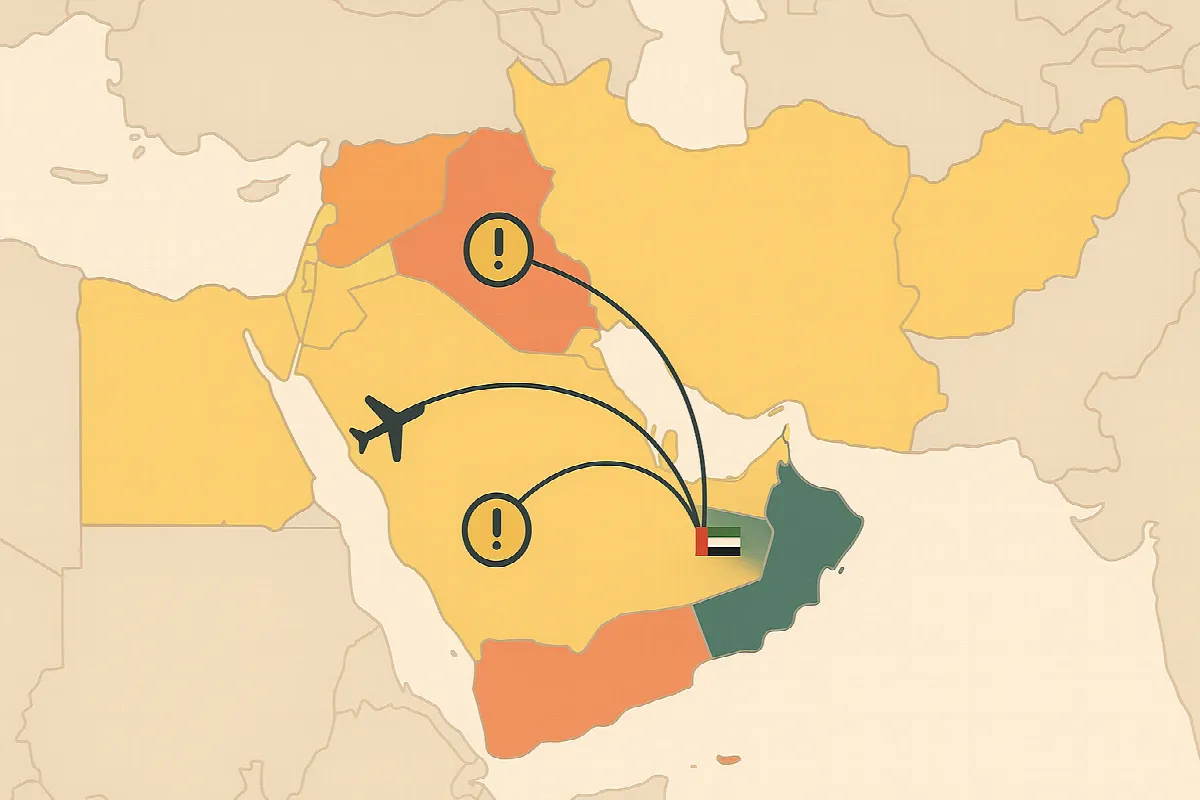
The warning emerges against a backdrop of intensified Middle Eastern conflicts, particularly the escalating tensions between Iran and Israel. Recent strikes on Iranian nuclear facilities by US forces have heightened regional volatility, prompting Tehran to threaten retaliation against American interests throughout the region.
Aviation authorities have reported significant disruptions to Middle Eastern flight routes. The airspace from Iran to the Mediterranean, typically bustling with commercial traffic, has remained largely quiet for over ten days following the commencement of Israeli strikes on Iran on June 13.
Airlines across the globe are grappling with continued route diversions, cancellations, and delays as the regional situation evolves. These disruptions affect not only direct flights to the UAE but also connecting services through regional hubs.
Travel Policy Changes Affecting American Citizens
Recent policy developments add complexity to travel planning for American citizens. President Donald Trump’s implementation of a travel ban on 12 countries, alongside heightened visa restrictions for seven others, has reshaped the regional travel landscape.
The banned countries include Afghanistan, Myanmar, Chad, Republic of Congo, Equatorial Guinea, Eritrea, Haiti, Iran, Libya, Somalia, Sudan, and Yemen. Enhanced visa restrictions now apply to citizens of Burundi, Cuba, Laos, Sierra Leone, Togo, Turkmenistan, and Venezuela.
Importantly, no previously issued visas have been revoked under these new restrictions. The measures specifically target new visa applications, meaning current visa holders retain their travel authorisation.
Aviation Authorities Issue Additional Warnings
The Federal Aviation Administration (FAA) has supplemented the State Department advisory with a Notice to Air Missions (NOTAM) recommending heightened caution for US air carriers and commercial operators flying throughout the Middle East, including UAE airspace.
These aviation-specific warnings reflect concerns about potential disruptions to air traffic and the need for enhanced security protocols during flight operations. Travellers should anticipate possible changes to flight schedules and routing as airlines adjust to evolving security assessments.
FlyDubai and other regional carriers have already cancelled flights to five countries amid escalating tensions, demonstrating the tangible impact of regional developments on air travel connectivity.
Essential Safety Measures for American Travellers
The State Department recommends several specific actions for American citizens travelling to or residing in the UAE:
Pre-Travel Preparation:
- Review the latest advisories on travel.state.gov
- Enroll in the Smart Traveler Enrollment Program (STEP) for emergency communications
- Develop comprehensive emergency plans before departure
- Review the State Department’s Traveler’s Checklist
During Your Stay:
- Maintain constant situational awareness
- Keep a low profile in public areas
- Monitor local media for developing situations
- Exercise particular caution at locations publicly associated with the United States
- Follow all instructions from UAE authorities
Travel Documentation:
- Contact airlines directly for flight status updates
- Check FAA’s Prohibitions, Restrictions and Notices for aviation advisories
- Maintain emergency contact information for US diplomatic facilities
UAE’s Response to Regional Developments
Despite regional tensions, the UAE continues operating as a relatively stable destination for international visitors. Dubai maintains its reputation as one of the world’s safest cities, with robust security measures and low crime rates, particularly for violent offences against visitors.
The Emirates has implemented additional precautionary measures whilst maintaining normal operations for tourism and business activities. New health protocols under Dubai’s Law No. (5) of 2025 require enhanced health screening for all travellers, demonstrating the country’s proactive approach to visitor safety.
Local authorities continue coordinating with international partners to maintain security standards that protect both residents and visitors. The UAE’s strategic position as a regional business hub means maintaining stability remains a top priority for government officials.
Impact on Business Travel and Expatriate Communities
The advisory particularly affects American business travellers and the substantial US expatriate community residing in the UAE. Many American professionals work in the Emirates’ thriving financial, technology, and energy sectors, requiring careful consideration of security protocols during this period.
Recent trends show continued influx of white-collar talent from the US to the UAE, indicating that business relationships remain strong despite advisory warnings. Companies with operations in the Emirates are implementing enhanced security briefings for travelling employees.
The State Department’s maintenance of fully operational diplomatic facilities suggests continued confidence in the UAE’s ability to protect American interests and citizens within its borders.
Understanding Travel Advisory Levels
The US State Department employs a four-tier system to communicate travel risks:
Level 1: Exercise Normal Precautions – The lowest advisory level, acknowledging inherent risks in all international travel.
Level 2: Exercise Increased Caution – The current UAE designation, indicating heightened safety and security risks requiring additional vigilance.
Level 3: Reconsider Travel – Advises avoiding non-essential travel due to serious risks.
Level 4: Do Not Travel – The highest level, reserved for situations with life-threatening risks where US government assistance may be severely limited.
The UAE’s Level 2 classification places it in the same category as many popular international destinations where Americans travel regularly with appropriate precautions.
Practical Considerations for Travellers
American citizens planning UAE visits should factor several practical elements into their travel preparations:
Insurance and Documentation:
- Verify comprehensive travel insurance coverage for potential disruptions
- Understand UAE customs requirements for medications and controlled substances
- Maintain digital and physical copies of essential documents
Communication Plans:
- Establish regular check-in schedules with family or employers
- Programme emergency contacts for US Embassy and local authorities
- Consider international communication plans for mobile devices
Financial Preparation:
- Access multiple funding sources in case of extended stays
- Understand local banking relationships and ATM availability
- Consider emergency funds for unexpected travel changes
Looking Ahead: Advisory Evolution
Travel advisories reflect dynamic situations that change based on regional developments. The State Department regularly reviews and updates these assessments as conditions evolve.
Historical patterns suggest that advisory levels can shift relatively quickly in response to regional stability improvements or deterioration. American travellers should monitor official sources regularly rather than relying on static assessments.
The UAE’s continued investment in security infrastructure and international cooperation suggests long-term confidence in maintaining stable conditions for international visitors and residents.
Alternative Travel Considerations
Some American travellers may choose to explore alternative destinations whilst regional tensions persist. UAE residents are increasingly looking to Southeast Asia for summer holidays as they assess regional travel options.
For those proceeding with UAE travel plans, the advisory system provides tools for informed decision-making rather than absolute prohibitions. Individual risk tolerance and travel purposes should guide personal choices about proceeding with planned visits.
Conclusion: Informed Travel Decisions
The Level 2 travel advisory for the UAE represents a precautionary measure reflecting regional volatility rather than specific threats within the Emirates themselves. American citizens can continue travelling to the UAE with appropriate preparation and heightened awareness.
The key lies in understanding that travel advisories provide risk assessment tools rather than travel bans. By following State Department recommendations, maintaining situational awareness, and preparing for potential disruptions, American travellers can make informed decisions about UAE visits.
The UAE’s continued operation of normal business and tourism activities, combined with maintained US diplomatic presence, suggests that whilst caution is warranted, the Emirates remain accessible to American visitors who take appropriate precautions.
Further Reading
- Is Dubai Safe to Visit Now? 2024 Travel Advisory & Safety Guide
- Dubai’s New 2025 Health Law: Essential Travel Requirements for UAE Visitors
- UAE Travel Guide 2024: Declaring Medication at Customs
- Understanding Your Rights as an Expatriate in the UAE: A Complete Guide
- Schengen Visa UAE: New Appointment Slots Opening May-June 2025
The UAE week, every Monday
The week's stories on jobs, visas, money and daily life in one short email. Unsubscribe in one click.