UAE Influencers Must Get Business Licenses: New 2025 Law Guide
New UAE law requires social media influencers to obtain business licenses for commercial activities. Three-year fee waiver available. Full guide.
By Vadim Kouznetsov, published

Key Takeaway: Starting 29 May 2025, all UAE social media influencers and content creators earning money from commercial activities must obtain business licenses before applying for media licenses, though the UAE Media Council offers a three-year fee waiver to support digital creators.
Social media influencers and content creators in the UAE face significant regulatory changes following the implementation of the comprehensive Media Regulation Law on 29 May 2025. The new legislation requires all digital content creators involved in money-making commercial activities to secure proper business licensing before operating legally in the Emirates.
Two-Step Licensing Process for UAE Influencers
Previously, content creators only needed approval from the UAE Media Council. The updated framework now mandates a two-step process:
- Business License Application – Required first through relevant economic departments
- Media License Application – Applied for through the UAE Media Council after obtaining business license
This change represents a fundamental shift in how the UAE regulates its rapidly growing digital media sector, bringing influencer marketing under the same commercial standards as traditional businesses.
Three-Year Fee Exemption Supports Digital Creators
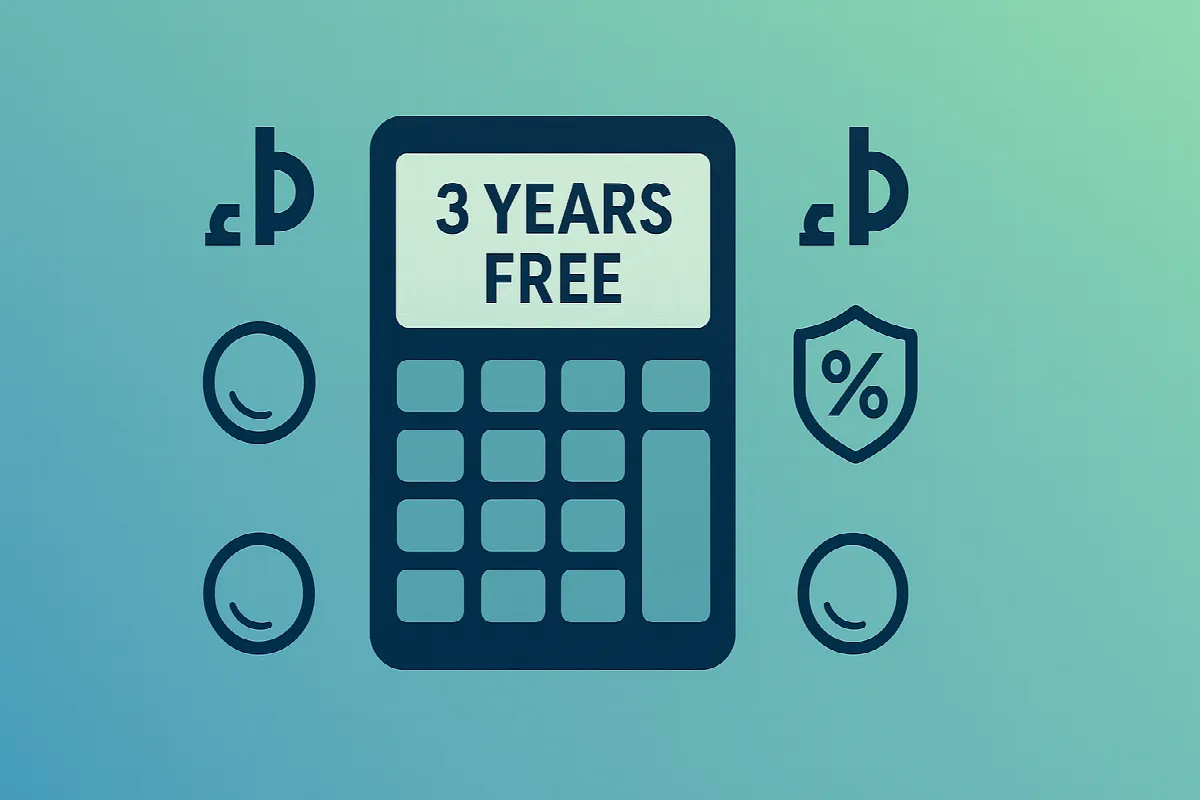
Recognising the challenges this transition poses for content creators, the UAE Media Council has introduced a generous support measure. The Council waives all permit fees for three years, providing financial breathing room for influencers to adapt to the new regulatory environment.
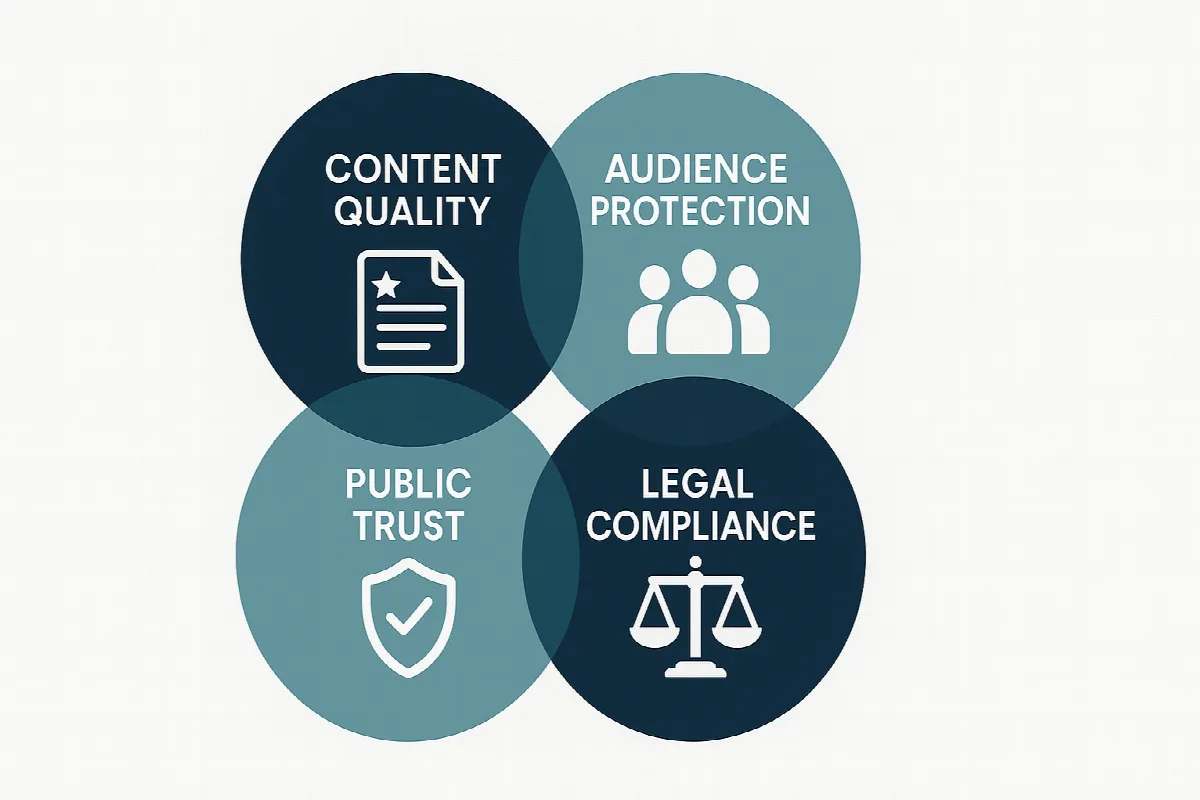
Maitha Al Suwaidi, CEO of Strategy and Media Policies Sector at the UAE Media Council, explained during a recent Dubai press conference that “the new licensing system aims to build public trust, protect audiences, and elevate the quality of online content.”
Digital Participation Policy Framework
The licensing requirement forms part of the broader Digital Participation Policy, which encourages constructive social media engagement whilst maintaining compliance with UAE laws. This comprehensive approach addresses several key areas:
- Content Quality Standards – Establishing professional benchmarks for digital content
- Audience Protection – Safeguarding viewers from misleading or harmful material
- Public Trust Building – Creating transparency in commercial partnerships and sponsorships
- Legal Compliance – Aligning with UAE values and regulations
The policy grants the UAE Media Council authority to monitor content and remove posts that violate local regulations, including material deemed offensive, defamatory, or harmful to societal harmony.
Penalties and Enforcement Measures
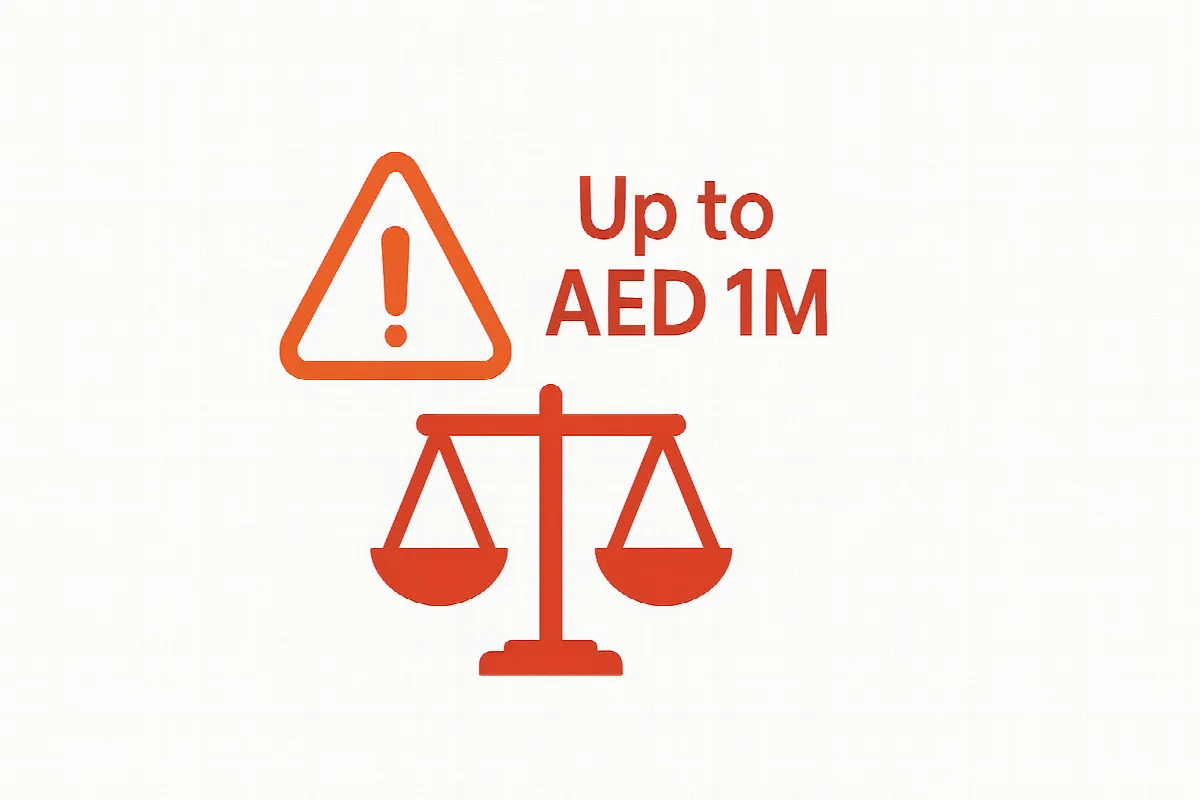
The Media Regulation Law introduces substantial financial penalties for violations. Fines can reach up to Dh1 million, with penalties scaled according to the severity and frequency of offences. The UAE Media Council retains the right to delete or modify posts that contravene the new media policy.
These enforcement measures aim to create a safe and respectful digital environment whilst supporting legitimate commercial activities by content creators.
Supporting Content Creator Economy
Al Suwaidi emphasised the UAE’s commitment to fostering digital innovation: “This road map reflects our deep understanding of the challenges and opportunities presented by new media. It is designed to foster a flexible, contemporary environment that aligns with global media trends while safeguarding the UAE’s core values.”
The three-year fee exemption demonstrates the government’s recognition of content creators as valuable contributors to the UAE’s digital economy. This approach balances regulatory oversight with practical support for emerging media professionals.
Global Media Trends Alignment
The new regulations position the UAE alongside international markets implementing similar oversight measures for digital content creators. This alignment helps establish the Emirates as a responsible jurisdiction for global brands seeking authentic influencer partnerships.
The comprehensive framework addresses concerns about transparency in sponsored content whilst maintaining the UAE’s reputation as a business-friendly environment for digital entrepreneurs.
Impact on UAE’s Digital Media Landscape
These regulatory changes modernise the UAE’s approach to digital media, recognising social media influencers’ significant role in shaping public opinion and consumer behaviour. The framework establishes clear guidelines for professional content creation whilst protecting both creators and audiences.
The licensing requirements particularly affect influencers involved in:
- Brand endorsements and sponsored content
- Product reviews and recommendations
- Affiliate marketing programmes
- Commercial partnerships with businesses
Content creators must now demonstrate professional standards comparable to traditional media outlets whilst maintaining the authenticity that makes social media marketing effective.
For more information about UAE business licensing requirements, you can read our guide on launching your UAE business in minutes using fast-track platforms or learn about UAE online business requirements and digital activity NOCs.
Understanding UAE corporate tax implications for influencers is also crucial as your digital business grows, particularly if annual revenue exceeds AED 1 million.
The UAE continues modernising its legal framework with initiatives like AI-powered legislative systems and comprehensive social media guidelines that support responsible digital citizenship.
Further Reading
The UAE week, every Monday
The week's stories on jobs, visas, money and daily life in one short email. Unsubscribe in one click.