Dubai Billionaire Abu Sabah Jailed: The AED 150M Money Laundering Case That Ended an Empire
Balvinder Singh Sahni (Abu Sabah), Dubai’s flamboyant Indian billionaire known for his AED 33M license plate, sentenced to 5 years in prison and deportation in landmark money laundering case.
By Vadim Kouznetsov, published
Last updated: May 4, 2025
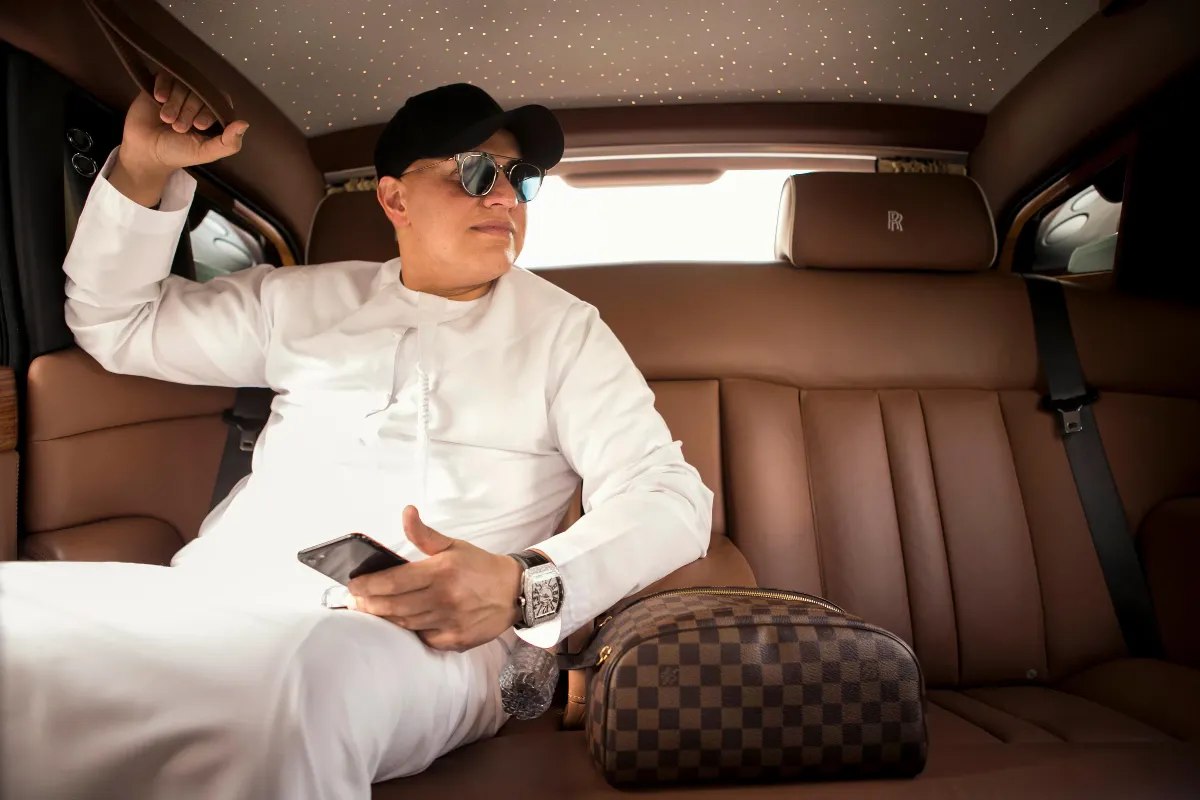
In a dramatic downfall that has sent shockwaves through Dubai’s business community, Balvinder Singh Sahni—widely known as Abu Sabah—has been sentenced to five years in prison on money laundering charges. The flamboyant Indian-origin billionaire, once celebrated for his extravagant lifestyle and high-profile purchases, now faces deportation and significant financial penalties following a swift legal process that culminated in a verdict from Dubai’s Fourth Criminal Court last week.
Who is Abu Sabah?
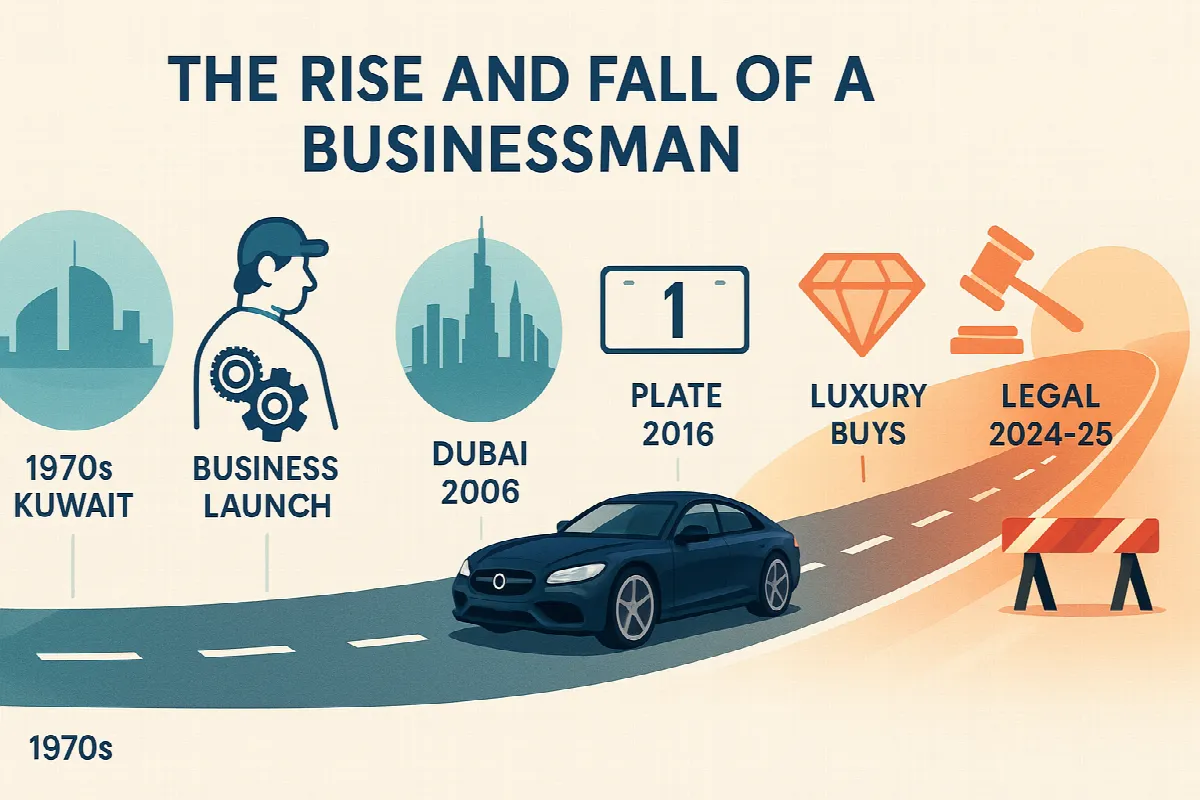
Balvinder Singh Sahni earned the nickname “Abu Sabah” in reference to his eldest son, Sabah, following a common Arab naming tradition. Born in Kuwait in 1972 to an affluent Indian family, Sahni built his initial fortune in the automotive industry before expanding into real estate development in Dubai, where he established the RSG Group of Companies after relocating to the UAE in 2006.
As chairman of RSG Group, Sahni developed a portfolio of upscale residential and commercial projects including Qasr Sabah, Burj Sabah, and luxury serviced apartments in the Jumeirah Village area. The company expanded across the Middle East, United States, and South Asia, with property transactions reportedly worth over AED 5 billion.
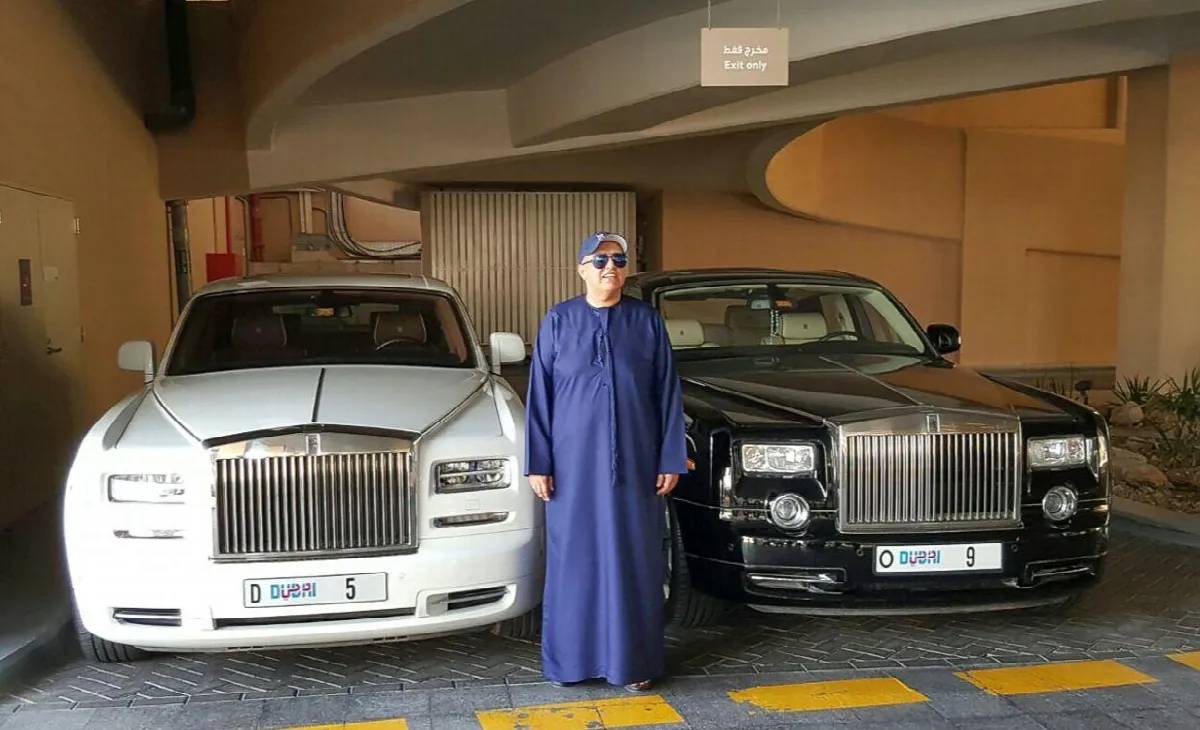
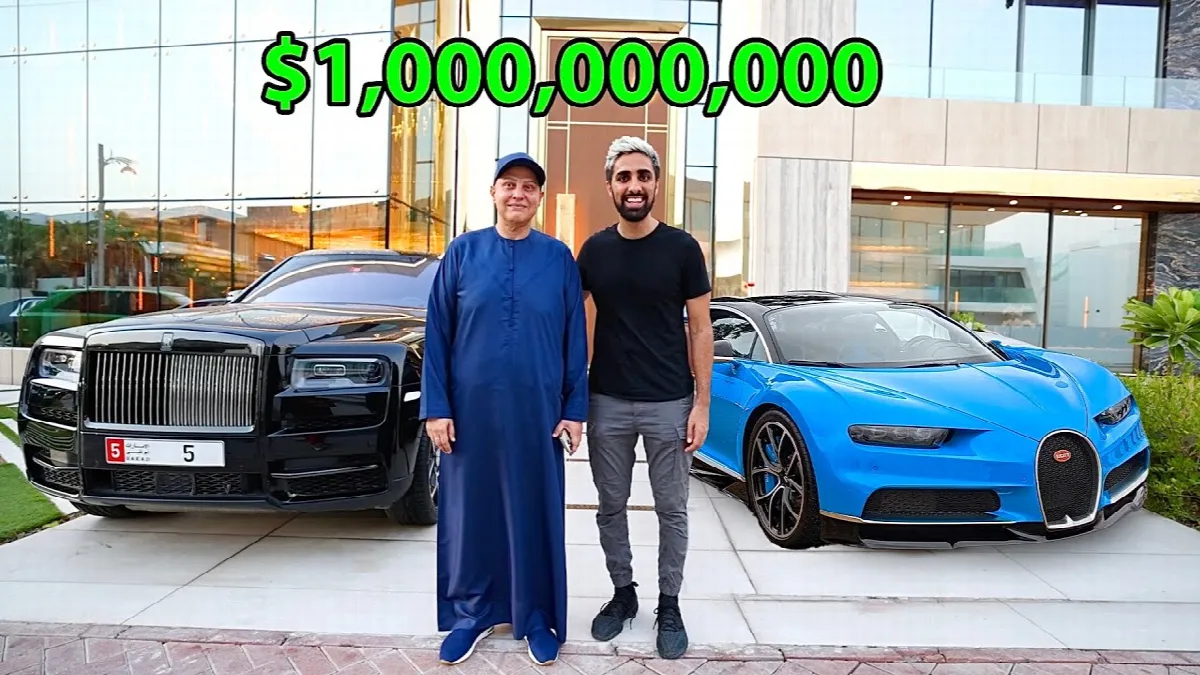
Beyond his business achievements, Sahni became internationally known for his ostentatious displays of wealth. In 2016, he made headlines by purchasing the single-digit Dubai license plate number “5” for AED 33 million (approximately $9 million), which he proudly displayed on his Rolls-Royce. His collection of luxury vehicles included multiple Rolls-Royces, a Bugatti Chiron, and several other high-end automobiles.
A Lifestyle Built on Symbolism
Sahni’s public persona was carefully constructed around symbols of success and prosperity. He frequently appeared in traditional Emirati attire paired with a baseball cap, creating a distinctive image that blended local cultural respect with international business flair.
His Palm Jumeirah mansion became legendary for its opulence, featuring gold-plated interiors and serving as a venue for lavish parties. In a particularly telling display of his belief in symbolism, Sahni parked a limited-edition black Bugatti Chiron in the center of his home—not because he liked the color, but on advice that something black would ward off the “evil eye.”
“I don’t even like black,” Sahni once admitted in a YouTube interview filmed in his gold-trimmed residence. “But they said it wards off the evil eye.”
His fascination with prestigious license plates began after a revealing incident at a luxury hotel. “They told me: ‘Only guests or people with two-digit plates get in’. So I went out and bought three plates the next day for Dh2.8 million each,” he recounted in a 2022 interview. This experience sparked what would become a collection of coveted plates, including both Dubai and Abu Dhabi “5” plates, that he claimed were worth more than his vehicles.
The Fall: Money Laundering Charges
The dramatic turn in Sahni’s fortunes began with reports of his arrest on fraud charges in early 2024. Initial allegations suggested he owed approximately $27 million to UAE banks. However, the full extent of his legal troubles would prove far more serious.
Last week, Dubai’s Fourth Criminal Court convicted Sahni of laundering AED 150 million (approximately $41 million) through a sophisticated network of shell companies and suspicious financial transactions. The court sentenced him to five years in prison, imposed a fine of AED 500,000, and ordered his deportation upon completion of his sentence.
His son was among 32 others convicted alongside him, with some defendants receiving lighter penalties of one-year prison terms and AED 200,000 fines. Three companies linked to the operation were each fined AED 50 million.
According to court documents, the case was referred by Dubai Police in December last year and processed swiftly through the legal system, with the first hearing held on January 9, 2025. The authorities described it as “a wide-ranging investigation into forged partnerships, fake commercial activity, and financial dealings with entities inside and outside the UAE.”
From Kuwait to Dubai: Sahni’s Journey
Sahni’s story began in Kuwait, where his father had relocated from Delhi in 1951. “I grew up around a lot of wealth,” Sahni once remarked, though he also claimed to have been hardworking from a young age.
At 18, with his father’s support, Sahni started a company selling spare parts and tyres. He briefly pursued a business degree but dropped out, later explaining that he “couldn’t stop thinking about how much more I’d make in business than as an engineer or doctor.”
Before coming to Dubai, Sahni had already established a reputation in Kuwait, where he once paid AED 600,000 for what was then the country’s most expensive mobile number. However, his move to the UAE in 2006 marked the beginning of his most visible success story.
“It was a very hard decision,” he recalled of his relocation. “In Kuwait, I was respected. Dubai was a different ballgame.” Nevertheless, he quickly adapted to his new environment, expanding his business profile and cultivating his public image as a successful entrepreneur.
Business Philosophy and Strategy
In interviews, Sahni often attributed his success to simple principles. “Whenever I make big money, I buy a building,” he once stated, expressing particular attachment to a property in Dubai’s Business Bay that he would visit weekly.
Despite his flamboyant lifestyle, Sahni positioned himself as a believer in sustainable growth. In a 2020 interview with The Business Year, he stated, “RSG Group’s strategy has always been, and will continue to be, to go at a sustainable pace; we do not enter into too many projects.”
He expressed strong faith in Dubai’s future, particularly beyond Expo 2020. “I believe in the vision of the Dubai government and HH Sheikh Mohammed Bin Rashid Al Maktoum,” he said, predicting continued growth for the emirate.
A Cautionary Tale
Sahni’s conviction sends a powerful message about the UAE’s commitment to financial transparency and its zero-tolerance approach to money laundering. The swift prosecution of such a high-profile figure demonstrates that no one is above the law, regardless of wealth or social standing.
For Dubai’s business community, the case serves as a reminder of the importance of adhering to financial regulations and maintaining legitimate business practices. It also highlights the effectiveness of the emirate’s anti-money laundering frameworks and its determination to safeguard its reputation as a global financial hub.
As Sahni begins his five-year sentence, the black Bugatti that was meant to ward off misfortune sits idle—a symbol of how even the most carefully constructed images of success can crumble when built on questionable foundations.
Impact on Business Operations
The future of RSG Group remains uncertain following Sahni’s conviction. The company had been involved in several high-profile developments, including two Sabah Rotana hotels—a five-star property opposite Mall of the Emirates and a four-star hotel on Sheikh Zayed Road in Jebel Ali—that were slated to open in 2020 for Dubai Expo.
Regulatory authorities are likely examining the company’s project financing and ownership structure. Industry observers anticipate potential restructuring to distance the brand from Sahni’s legal troubles, though no official announcements have been made regarding the company’s dissolution or sale.
Legacy and Lessons
Balvinder Singh Sahni’s story represents a dramatic arc from opulence and status to legal disgrace. Once a symbol of aspiration and success in Dubai’s competitive business landscape, he now stands as a reminder that accountability ultimately reaches everyone, regardless of wealth or influence.
As the UAE continues to strengthen its position as a global financial hub, Sahni’s case underscores the nation’s commitment to transparency and enforcement in financial dealings. It serves as a compelling reminder that sustainable success must be built on legitimate foundations rather than shortcuts or deception.
For those following his story, perhaps the most poignant irony lies in Sahni’s own words: “I have one passion—making money.” That passion, when pursued outside the boundaries of the law, has ultimately cost him his freedom, reputation, and the very wealth he worked so diligently to accumulate and display.
FAQ: Understanding the Abu Sabah Case
Who is Balvinder Singh Sahni (Abu Sabah)?
Balvinder Singh Sahni, commonly known as Abu Sabah, is an Indian-origin businessman who was the chairman of RSG Group, a property development company with operations across the Middle East, United States, and South Asia. Born in Kuwait in 1972, he relocated to Dubai in 2006 where he gained prominence through his luxury real estate developments and extravagant lifestyle.
What made Abu Sabah famous?
Sahni gained international attention in 2016 when he purchased Dubai license plate number “5” for AED 33 million (approximately $9 million). He was known for his collection of luxury vehicles including multiple Rolls-Royces and a Bugatti Chiron, his opulent Palm Jumeirah mansion, and his flamboyant displays of wealth on social media.
What crimes was Abu Sabah convicted of?
In May 2025, Sahni was convicted of laundering AED 150 million (approximately $41 million) through a network of shell companies and suspicious financial transactions. The Dubai Criminal Court found him guilty of creating forged partnerships and fake commercial activities with entities inside and outside the UAE.
What sentence did Abu Sabah receive?
Sahni was sentenced to five years in prison, fined AED 500,000, and ordered to be deported from the UAE after serving his sentence. The court also ordered the confiscation of his funds, electronic devices, and financial records.
Were others involved in the case?
Yes, 32 others were convicted alongside Sahni, including his son. Some defendants received lighter sentences of one-year prison terms and AED 200,000 fines. Three companies linked to the operation were each fined AED 50 million.
When did investigations into Abu Sabah begin?
Initial reports of Sahni’s legal troubles emerged in early 2024, with allegations of fraud and approximately $27 million in debt to UAE banks. The money laundering case was referred by Dubai Police to prosecutors in December 2024, with the first court hearing held on January 9, 2025.
What happens to RSG Group now?
The future of RSG Group remains uncertain. Regulatory authorities are likely examining the company’s financial structure and operations. Industry experts anticipate potential restructuring to distance the brand from Sahni’s legal troubles, though no official announcements have been made about the company’s future.
What is Abu Sabah’s net worth?
Before his legal troubles, various reports estimated Sahni’s net worth at around $1.7-2 billion, with much of his wealth derived from real estate investments and property development. However, following his conviction and the confiscation of AED 150 million in assets, his current financial status is unclear.
What properties did RSG Group develop?
RSG Group developed several upscale projects in Dubai, including Qasr Sabah and Burj Sabah residential developments, as well as Sabah Rotana hotels—a five-star property opposite Mall of the Emirates and a four-star hotel on Sheikh Zayed Road. The company also had investments across the Middle East, United States, and South Asia.
How did Abu Sabah start his career?
Sahni began his career at age 18 in Kuwait, where his father helped him start a company selling automotive spare parts and tyres. He briefly attended university for a business management degree but dropped out to focus on entrepreneurship. Before moving to Dubai in 2006, he had already built a successful business in Kuwait.
What was significant about Abu Sabah’s lifestyle?
Sahni’s lifestyle was characterized by superstition and symbolism. He surrounded himself with items he believed attracted fortune, including his famous license plates. He once placed a black Bugatti in the center of his home to ward off the “evil eye,” despite disliking the color black. His Palm Jumeirah mansion featured gold-plated interiors and was known for lavish parties.
What is the significance of the name “Abu Sabah”?
“Abu Sabah” translates to “Father of Sabah” in Arabic, following the traditional Arab naming convention where a parent is referred to as the father or mother of their eldest child. Sabah is the name of Balvinder Singh Sahni’s eldest son.
What impact does this case have on Dubai’s business community?
Sahni’s conviction sends a strong message about the UAE’s commitment to financial transparency and its zero-tolerance approach to money laundering. It demonstrates that no one is above the law regardless of wealth or social standing, and serves as a reminder to the business community about the importance of legitimate financial practices.
Additional Reading Material
The UAE week, every Monday
The week's stories on jobs, visas, money and daily life in one short email. Unsubscribe in one click.