UAE Bank Ordered to Refund Dh338,000 to Customer Who Overpaid Loans
Fujairah Court orders bank to repay Dh338,641, unfreeze salary, and pay Dh10,000 compensation to customer who overpaid loans. Learn about this landmark UAE banking case.
By Vadim Kouznetsov, published
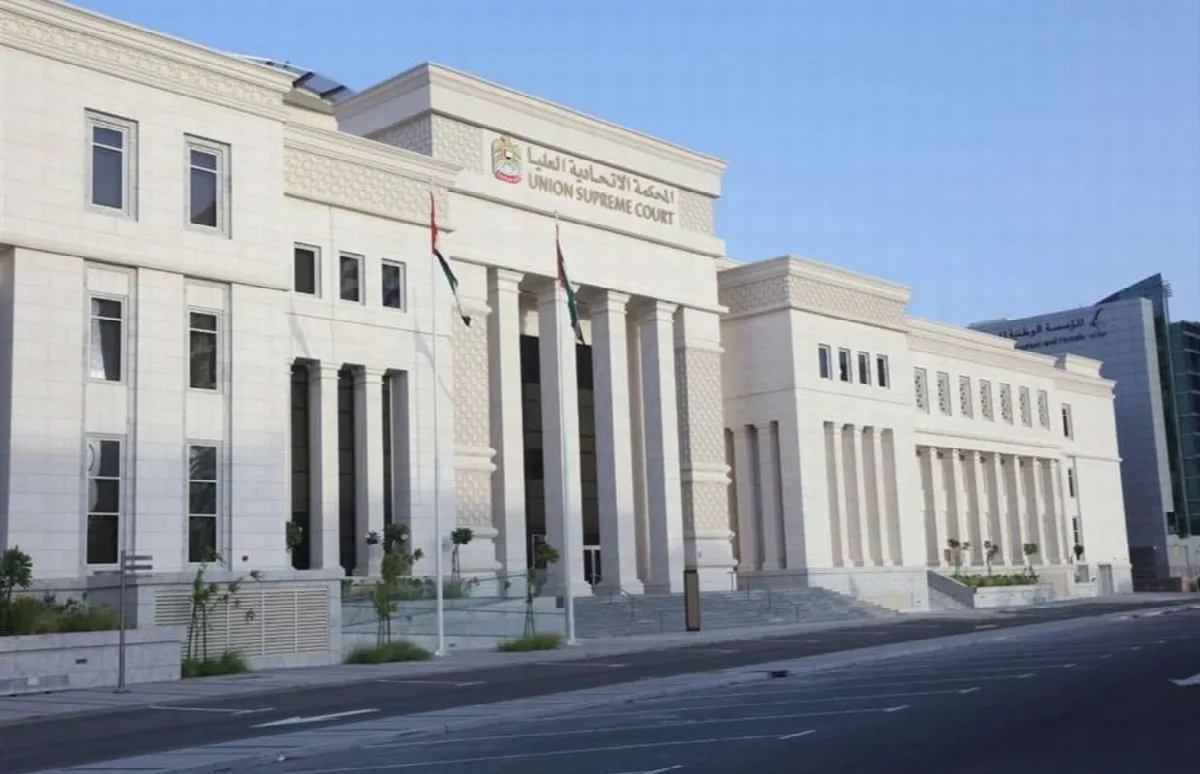
Court Orders Bank to Return Excess Payments and Unfreeze Salary
In a significant ruling that highlights consumer rights in the UAE banking sector, the Federal Court in Fujairah has ordered a bank to refund Dh338,641 to a customer who had paid substantially more than he owed on his loans and credit facilities.
The court also directed the bank to unfreeze the customer’s salary—which had been withheld since November 2024—and awarded him Dh10,000 in compensation for the distress caused. Furthermore, the bank must issue a clearance certificate confirming the absence of outstanding debts and cover all court fees and related expenses.
How the Case Unfolded
The dispute began when the customer, a salaried professional, discovered his monthly income had been frozen by the bank without warning. This action was particularly puzzling as he believed he had no active debts at the time.
According to court documents, the plaintiff had maintained a longstanding relationship with the bank before it merged with another financial institution. Throughout this period, he had received various financial products and consistently paid his instalments, which were automatically deducted from his salary.
The situation escalated when, despite having settled all obligations, the bank:
- Froze his salary without providing a clear rationale
- Requested he sign new documents claiming outstanding debt
- Failed to present accurate account statements when challenged
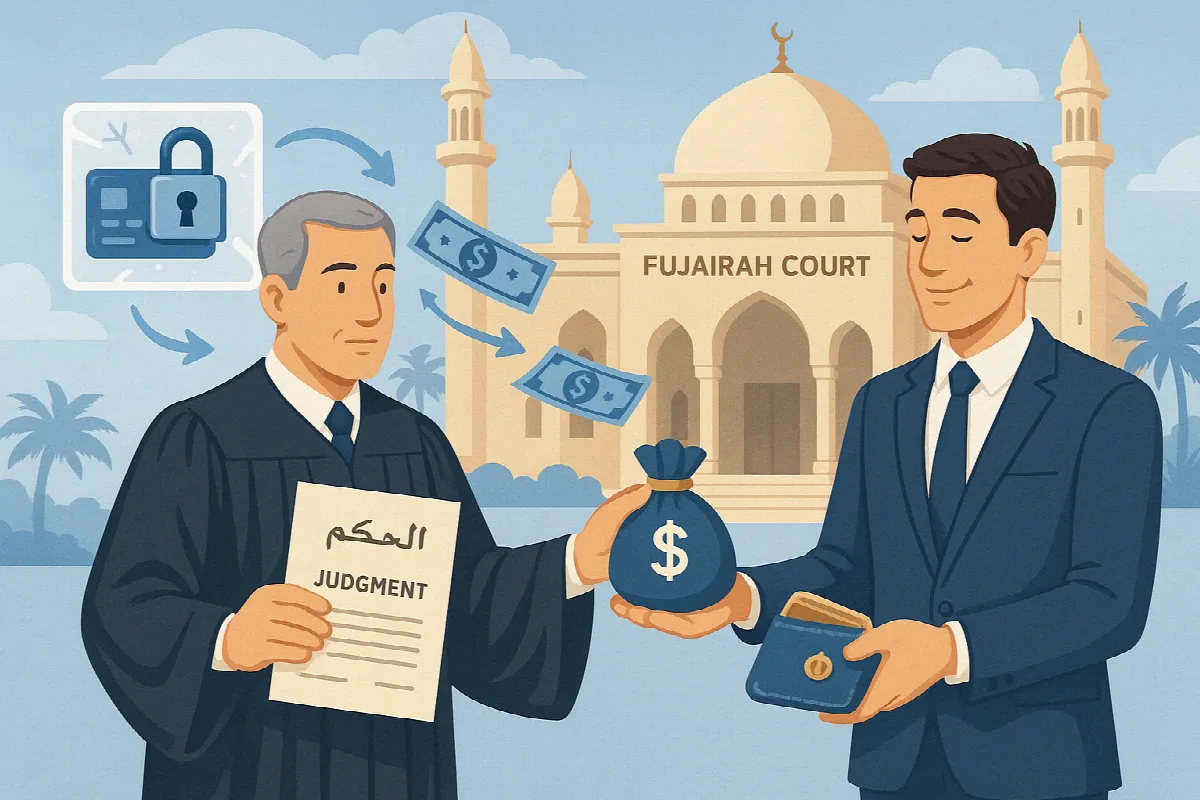
Financial Expert Confirms Overpayment
Seeking resolution, the customer petitioned the court to appoint an independent financial specialist to examine his banking records comprehensively, from the beginning of his relationship with the institution through to the filing of the lawsuit.
The court-appointed banking expert conducted a thorough analysis of the accounts and supporting documentation. The expert’s findings confirmed the customer had not only fulfilled all loan and credit card obligations but had actually overpaid by more than Dh338,000, including the withheld salary. The report verified that the final deduction occurred in October 2024, with no legitimate reason to continue withholding his income.
Bank’s Defence Rejected
The bank’s legal representatives attempted to have the case dismissed, arguing that current account regulations did not permit such claims. However, the court disagreed with this interpretation, determining that the case concerned the recovery of wrongfully taken funds rather than account corrections. Consequently, the court ruled the matter should be addressed under general civil law principles.
The judgment emphasised a fundamental legal concept: if someone pays money they don’t legally owe, they are entitled to recover it. Correspondingly, if someone receives money to which they aren’t entitled, they must return it.
Beyond Financial Compensation
The court recognised that the impact of the bank’s actions extended beyond monetary concerns. By preventing access to his rightful income, the bank caused unnecessary hardship and anxiety. In acknowledgement of this non-financial harm, the court awarded an additional Dh10,000 in damages.
The ruling also includes 9% annual interest on the excess amount paid, calculated from the filing date, with interest similarly applying to the compensation amount once the judgment becomes final.
What This Means for UAE Banking Customers
This case serves as an important reminder for banking customers in the UAE to:
- Regularly monitor account statements and payment records
- Keep detailed documentation of all banking transactions
- Request clarification immediately if discrepancies arise
- Understand your rights regarding loan settlements and account management
- Seek professional legal assistance when facing disputes with financial institutions
Key Takeaway
Banking customers in the UAE have strong legal protection against improper financial practices. This landmark case demonstrates that courts will hold financial institutions accountable for errors and unfair practices, including ordering compensation for both financial losses and emotional distress.
Additional Reading Material
The UAE week, every Monday
The week's stories on jobs, visas, money and daily life in one short email. Unsubscribe in one click.