Dubai Transport Plan 2030: Suspended Transit & Remote Work to Cut Traffic by 30%
Dubai reveals ambitious transport plan featuring suspended transit systems, Metro Blue Line and flexible work policies to reduce peak traffic congestion by up to 30%.
By Vadim Kouznetsov, published
Dubai is implementing innovative solutions to address traffic congestion through its comprehensive Roads and Transport Plan 2030. From suspended transit systems to flexible work arrangements, the emirate is taking decisive steps to improve mobility across the city.
Revolutionary Traffic Solutions on the Horizon
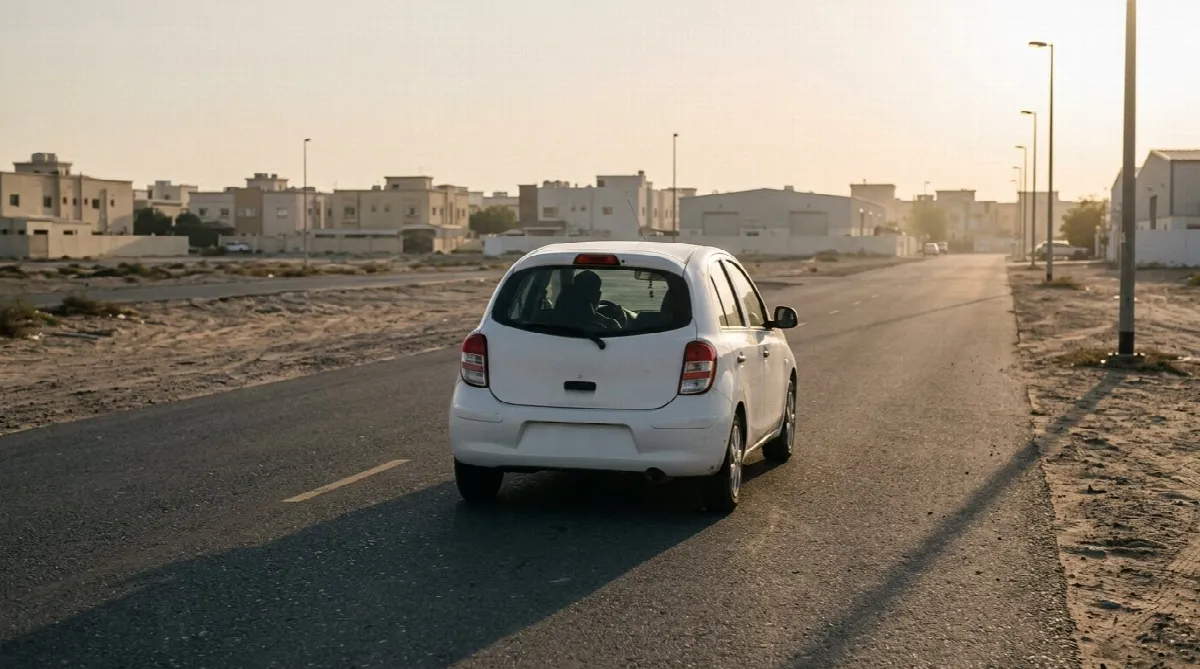
Traffic congestion remains a significant challenge in Dubai, with official statistics revealing 3.5 million vehicles on its roads daily. The emirate has experienced a 10% increase in registered vehicles over the past two years—substantially higher than the global average of 2-4%. This growth has prompted authorities to develop strategic initiatives aimed at reducing congestion.
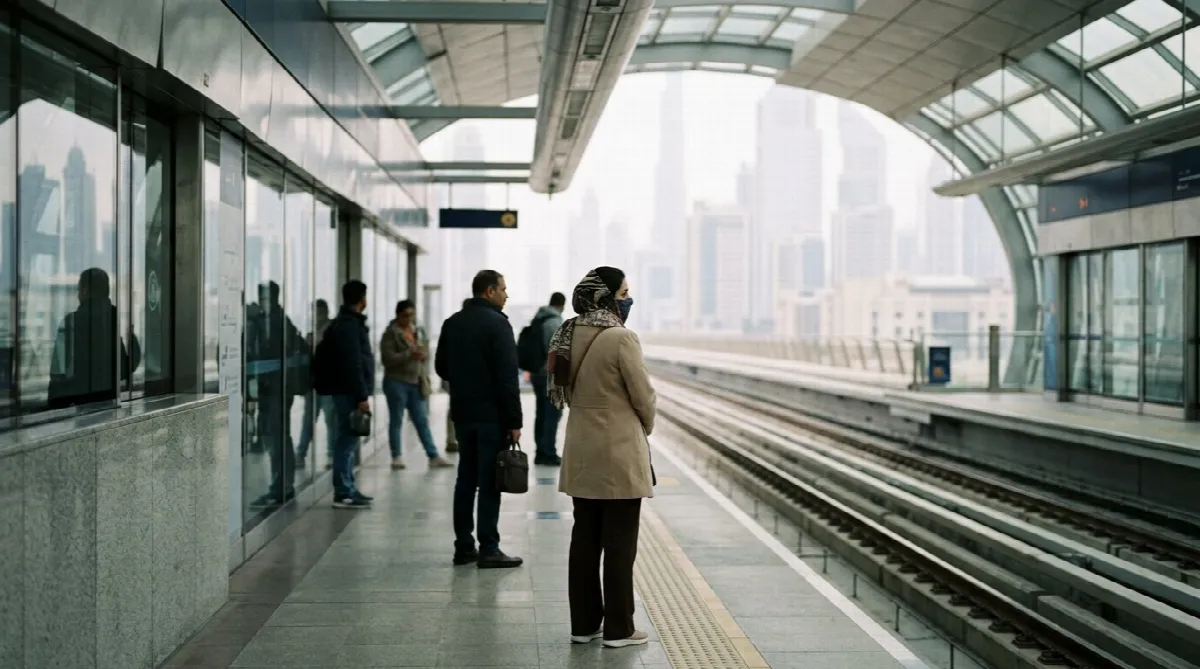
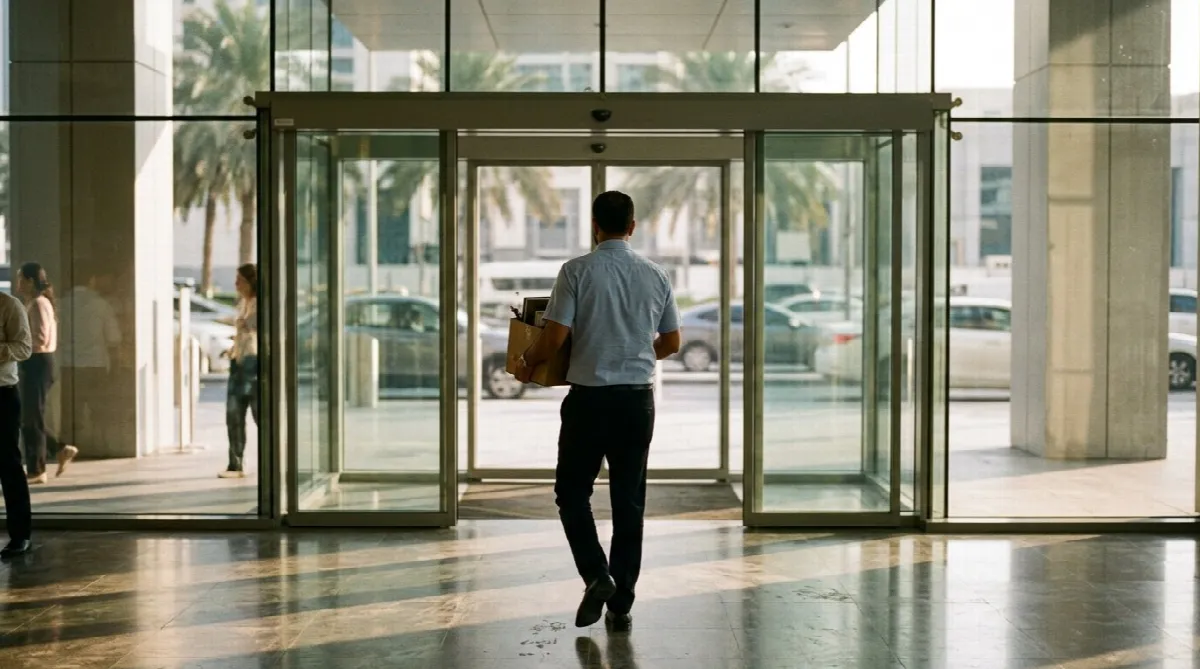
Research conducted by Dubai authorities demonstrates that implementing a two-hour flexible start window and allowing 4-5 remote workdays per month could decrease morning peak travel time by up to 30%. These findings have informed key aspects of the new transport plan.
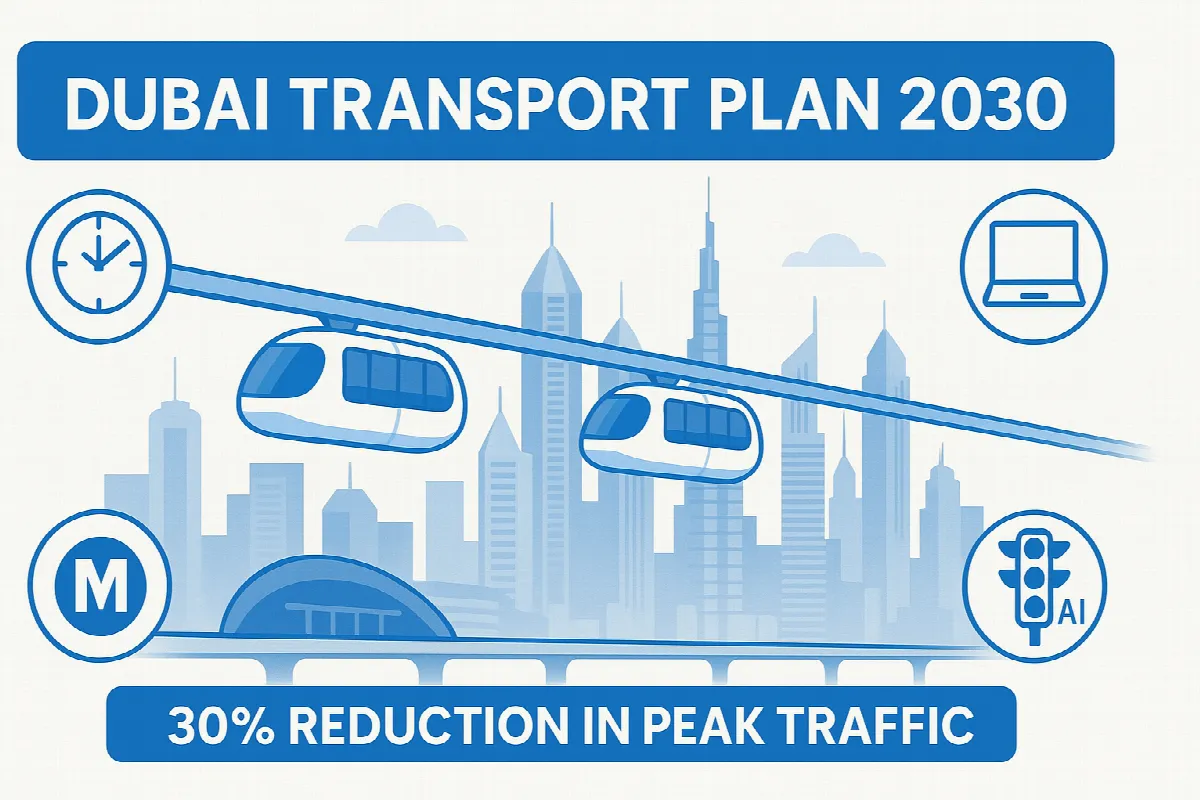
Suspended Transit Systems and Blue Line Metro
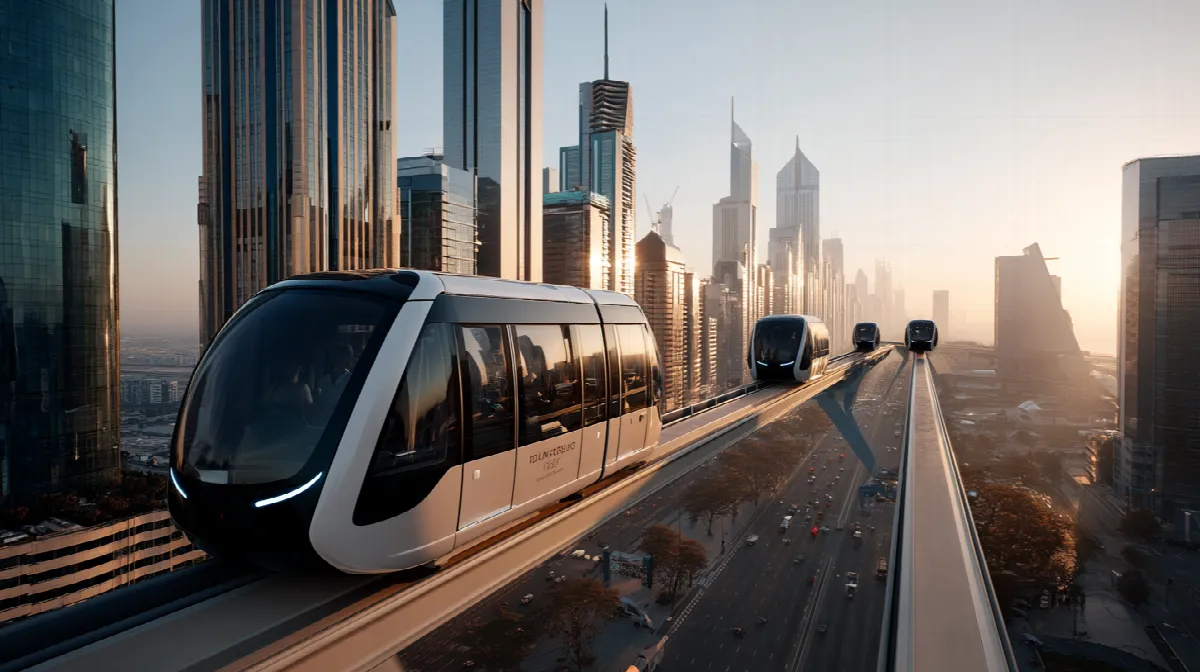
The RTA is conducting feasibility studies for suspended transit systems as part of its commitment to innovative transport solutions. Last year, Dubai approved the Suspended Transport Systems Project—a 65km smart mobility network connecting Umm Suqeim Street, Al Khor, and Zabeel. These systems typically feature pods that transport commuters along elevated rails, offering an efficient alternative to ground-level transport.
Another cornerstone of the plan is the Dubai Metro Blue Line. Spanning 30km with 14 stations, this major infrastructure project is scheduled to begin operations on September 9, 2029, further expanding Dubai’s public transport network.
Transport Policy Reforms
The Roads and Transport Plan 2030 introduces several transport policy measures designed to optimise traffic flow:
- Flexible working hours and remote work policies
- Dedicated bus lanes
- School transport reforms
- Dynamic pricing for tolls and parking
- Expanded truck movement restrictions
Dubai is actively encouraging both public and private sector organisations to adopt flexible working arrangements. Additionally, parents are being urged to use school buses for their children—an initiative projected to improve traffic flow by up to 13% by reducing private drop-offs and pick-ups during peak hours.
Priority public bus routes are expected to reduce journey times by up to 59%. The RTA has announced plans to expand Dubai’s network of dedicated bus lanes to over 20km, with completion anticipated between 2025 and 2027.
Road Infrastructure and Smart Systems
The plan’s road infrastructure component includes 39 strategic road projects. Key developments include:
- Upgrade of Latifa bint Hamdan Street (from Al Khail Road to Emirates Road)
- Improvements to Hessa Street, Al Meydan Street, Al Mustaqbal Street, and the Trade Centre Roundabout
- Enhancements to Al Wasl, Jumeirah, Umm Suqeim, Al Qudra, Al Fay, and Al Safa Roads
Dubai has also launched Phase 2 of the Intelligent Traffic Systems (ITS) project, aiming to achieve 100% network coverage across the emirate. This initiative includes upgrades to traffic incident management, emergency response systems, and signalised intersection efficiency.
A Forward-Thinking Approach
Through this comprehensive plan, Dubai continues to demonstrate its commitment to developing transport infrastructure that meets the needs of its growing population. By combining physical infrastructure improvements with policy reforms and smart technology, the emirate is creating a more efficient, sustainable transport network for residents and visitors alike.
As these initiatives progress, Dubai’s roads are set to become less congested, offering improved mobility for everyone travelling through the city.
Additional Reading Material
The UAE week, every Monday
The week's stories on jobs, visas, money and daily life in one short email. Unsubscribe in one click.