Breaking: Massive 7.7 Earthquake Hits Myanmar, Bangkok Building Collapse
Major earthquakes strike Myanmar and Thailand, causing widespread damage. Bangkok skyscraper collapse traps 43 workers. Latest updates on the Southeast Asian disaster.
By Vadim Kouznetsov, published
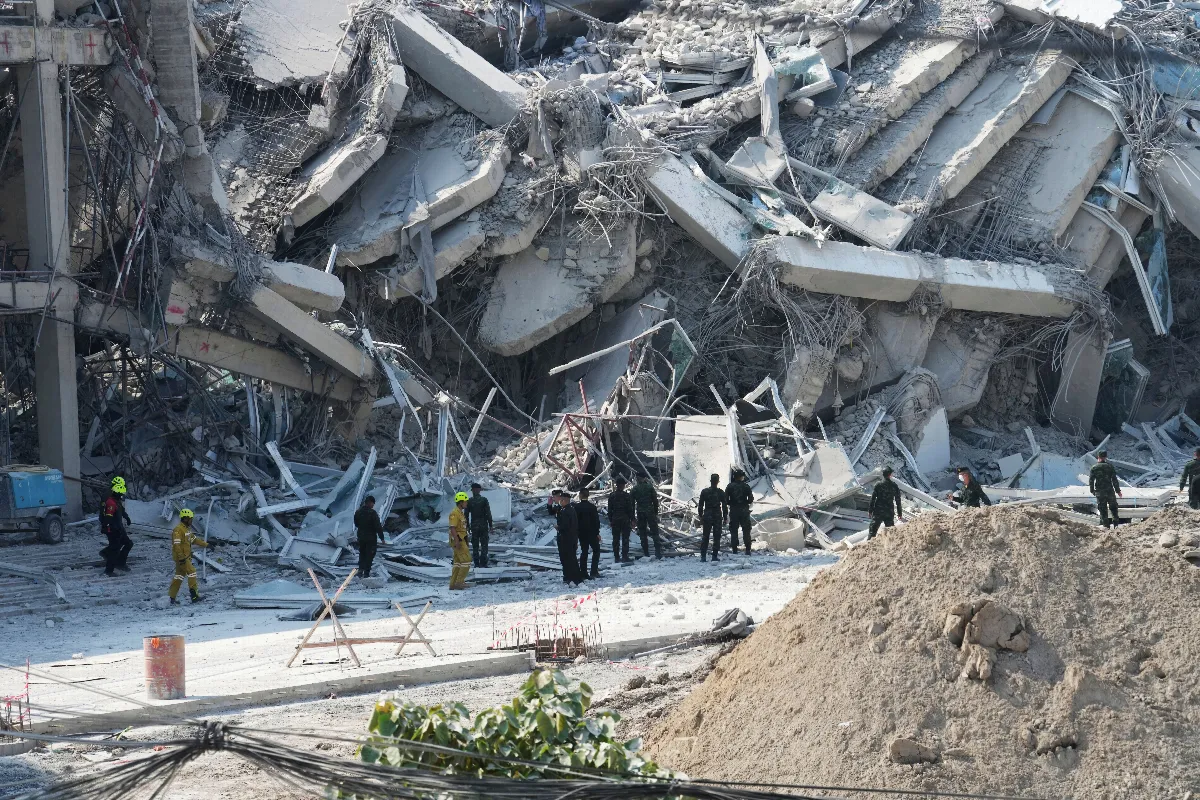
A catastrophic 7.7-magnitude earthquake struck central Myanmar on Friday, triggering widespread destruction and causing panic across Southeast Asia. The natural disaster led to a tragic building collapse in Bangkok, where 43 construction workers remain trapped.
Major Impact Across Southeast Asia
The primary earthquake hit northwest of Sagaing on Friday afternoon, followed by a powerful 6.4-magnitude aftershock minutes later. The shallow depth of these seismic events amplified their destructive potential across the region.
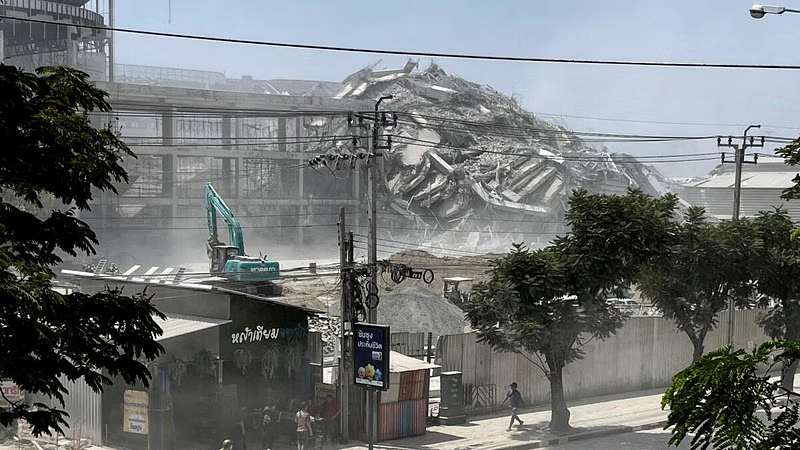
In Bangkok, a 30-storey government office building under construction crumbled within seconds of the tremors. Emergency services rushed to the scene as authorities declared a state of emergency in the Thai capital.
Widespread Damage and Panic
In Myanmar’s capital Naypyidaw, the earthquake’s impact was immediately visible:
- Roads buckled along major highways
- Building materials fell from ceilings
- Structural damage appeared in numerous buildings
- Government staff evacuated official buildings
At Naypyidaw’s National Museum, AFP journalists witnessed first-hand as ceiling fragments fell and walls developed cracks. Staff members fled the building in distress, attempting to contact family members amid the chaos.
Personal Accounts from Thailand
The earthquake’s effects reached far into Thailand, affecting multiple cities. In Chiang Mai, residents shared their experiences:
“I heard it and I was sleeping in the house, I ran as far as I could in my pyjamas out of the building,” said Duangjai, a local resident.
Sai, a 76-year-old minimart worker in Chiang Mai, described it as “the strongest tremor I’ve experienced in my life.”
Official Response
Thai Prime Minister Paetongtarn Shinawatra cut short her visit to Phuket, calling an urgent meeting to address the crisis. Bangkok’s metropolitan authorities suspended metro and light rail services as a precautionary measure.
Historical Context and Infrastructure Concerns
Myanmar’s geological location makes it susceptible to significant seismic activity. The Sagaing Fault, running north to south through the country, has historically produced six major earthquakes (7.0 magnitude or higher) between 1930 and 1956.
A previous 6.8-magnitude earthquake in 2016 caused substantial damage to the ancient capital of Bagan, highlighting the region’s vulnerability to seismic events.
Regional Impact
The earthquake’s effects extended beyond Myanmar and Thailand:
- Chinese authorities reported tremors in Yunnan province
- Multiple cities in northern Thailand experienced significant shaking
- Transportation systems faced disruption across the region
Current Challenges
The situation remains critical as rescue efforts continue in Bangkok. Myanmar’s limited medical infrastructure, particularly in rural areas, poses additional challenges in providing emergency assistance to affected communities.
This is a developing story. Stay tuned to JobXDubai for further updates on this significant seismic event and its aftermath in Southeast Asia.
Last updated: March 28, 2025
Additional Reading Material
The UAE week, every Monday
The week's stories on jobs, visas, money and daily life in one short email. Unsubscribe in one click.