21-Year-Old Developer Expelled After Creating AI Tool for Tech Interviews
A Columbia student created an AI tool that aced technical interviews at major tech companies, leading to job offers and subsequent expulsion. What this reveals about tech recruitment.
By Vadim Kouznetsov, published
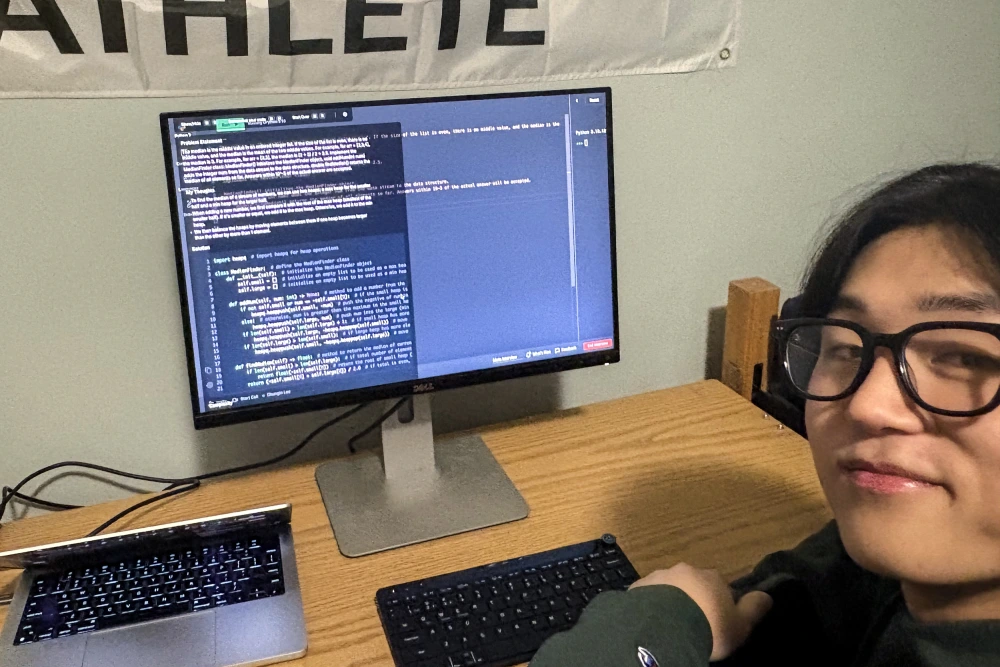
In a striking development that has sent ripples through the tech recruitment landscape, a 21-year-old developer named Roy has been expelled from Columbia University after creating an AI application that helps candidates pass technical interviews without genuine knowledge of the subject matter.
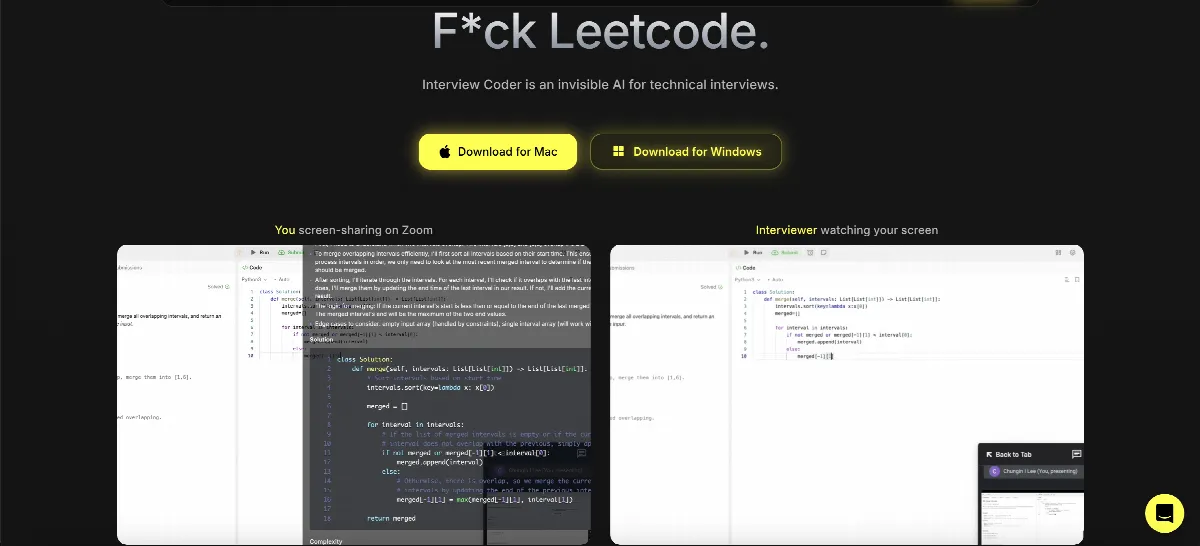
The Controversial Tool
Roy developed a JavaScript-based application that functions as an “invisible and undetectable AI” which guides users through technical interview questions in real-time during video calls. The tool operates by capturing screenshots of coding problems, processing them through a language model, and then generating solutions that appear as if the candidate is solving them organically.
What makes this tool particularly controversial is its effectiveness. It runs as an undetectable overlay for screen-sharing software and cleverly moves windows around the screen to prevent interviewers from noticing that the candidate’s eyes are focused on the AI-generated answers.
Real-World Results and Consequences
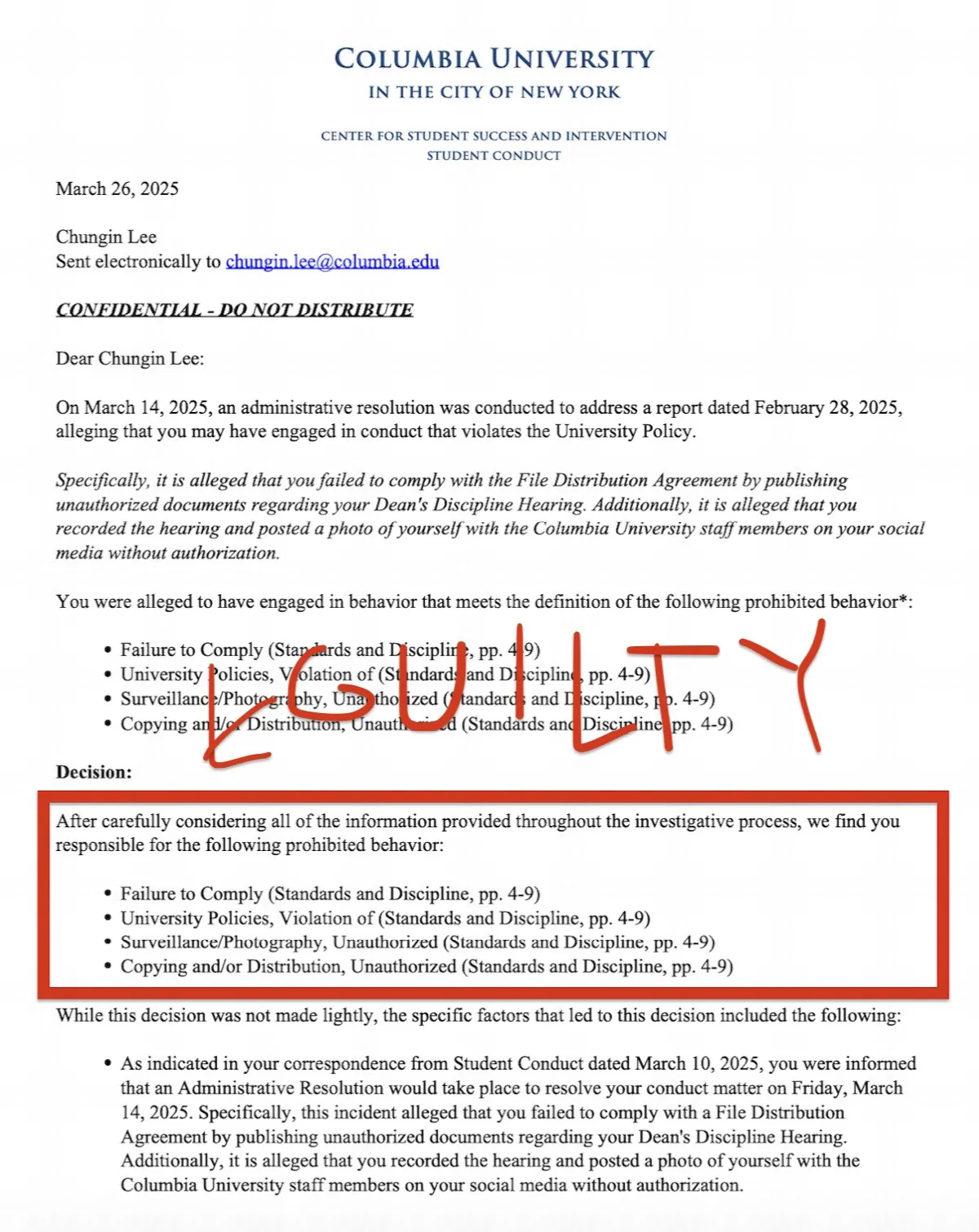
Using his own creation, Roy successfully secured job offers from several major tech companies, including Meta, TikTok, Capital One, and Amazon. However, after making a video explaining his methods, these companies quickly rescinded their offers.
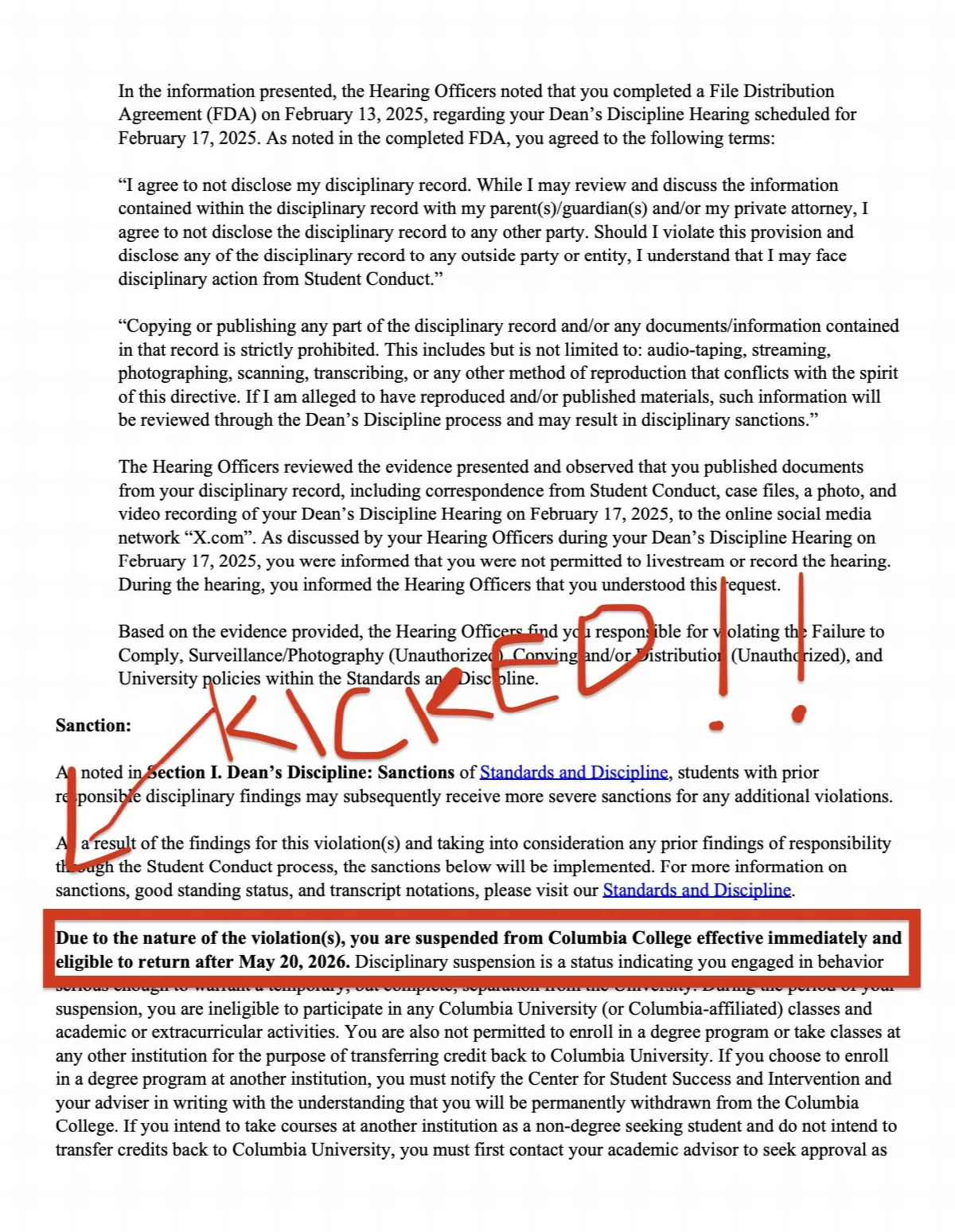
Amazon took additional steps by attempting to remove the video from the internet and reporting Roy to Columbia University. This action ultimately led to his expulsion from the prestigious institution.
The Technical Interview Debate
This incident highlights ongoing discussions about the validity of current technical interview practices. Many industry professionals question whether LeetCode-style algorithm puzzles actually assess a candidate’s ability to perform real job duties.
As the AI tool’s marketing points out, developers collectively spend billions of hours mastering complex data structures and algorithms to secure positions that often involve much simpler tasks like “tweaking CSS colours and centering divs.”
Critics argue that the current interview process:
- Forces candidates to spend months preparing for abstract problems
- Creates unnecessary pressure on job seekers
- Potentially screens out experienced developers with practical skills who might struggle with algorithm optimisation
The Irony of AI in Tech Recruitment
There’s a poetic irony in this situation: the very tech giants that aim to automate software development with AI are having their interview processes compromised by the same technology. While companies like Amazon and Meta invest heavily in AI development, they still rely on humans for many roles and expect those humans to demonstrate skills that may soon be automated.
Roy’s Future Prospects
Despite his expulsion, Roy’s entrepreneurial venture appears to be thriving. His application is reportedly on track to generate over £1.5 million in revenue this year. This trajectory draws comparisons to other famous tech dropouts like Bill Gates, Mark Zuckerberg, and the narrator of the original report, all of whom found success outside traditional educational pathways.
What This Means for the Future of Tech Recruitment
This situation demonstrates that despite advances in AI, human software engineers remain valuable. If AI could truly replace developers, companies wouldn’t be hiring humans in the first place.
The incident raises important questions about how technical interviews should evolve in an age where AI can increasingly solve the very problems used to assess human candidates. Will companies need to develop more creative, practical assessments that better evaluate real-world problem-solving abilities?
Key Takeaway
The tech recruitment landscape faces a significant challenge as AI tools become sophisticated enough to bypass traditional assessment methods. Companies may need to rethink how they evaluate talent, focusing more on practical skills and less on algorithmic puzzles that can be solved by artificial intelligence.
Disclaimer: JobXDubai does not endorse or recommend using tools to circumvent legitimate interview processes. This article aims to report on technological developments and their impact on recruitment practices.
Additional Reading Material
The UAE week, every Monday
The week's stories on jobs, visas, money and daily life in one short email. Unsubscribe in one click.