Dubai Property: How Residency Programmes Boost Foreign Investment Confidence
Long-term residency programmes in Dubai are transforming foreign property investment by guaranteeing tenant stability and offering competitive returns compared to global markets.
By Vadim Kouznetsov, published
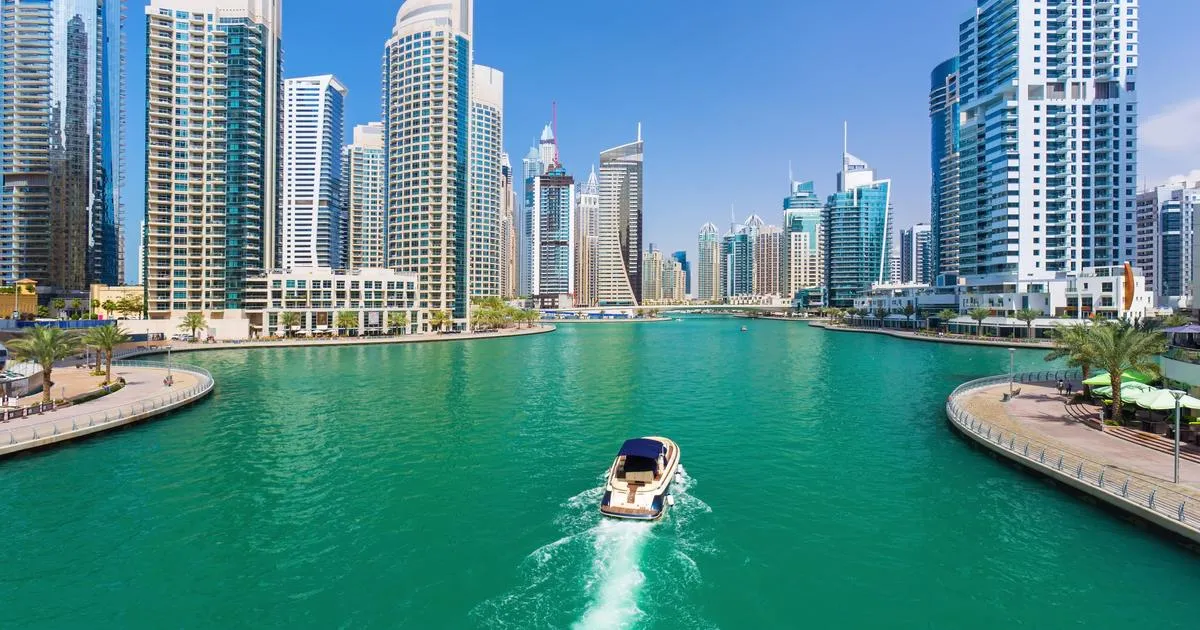
Foreign investors are increasingly drawn to Dubai’s property market thanks to long-term residency programmes that provide assurance about tenant stability. These initiatives, including Golden Visas and Retirement Visas, are changing investor perceptions by guaranteeing that tenants can remain in the UAE even after job loss.
Addressing Investor Concerns
The most frequent question from foreign property buyers in Dubai is about potential tenants. This differs significantly from markets like the Philippines or Vietnam, where property investors typically rent to locals.
“Foreign investors want to know who will occupy their properties in Dubai. We explain that tenants are typically Indian, Pakistani, Arab or European nationals,” said Ansari from IQI, an online real estate firm that processed $5 billion in transactions last year, including $400 million in Dubai.
He added, “Long-term residency options such as Golden Visa, Green Visa, and Retirement Visa are strengthening foreign investors’ confidence because they recognise their tenants won’t leave immediately upon losing employment.”
Additional Attractions for International Investors
Southeast Asian investors are particularly impressed by Dubai’s zero-income tax policy. This fiscal advantage, combined with transparent property transaction processes and smooth international fund transfers through a reliable banking system, makes Dubai exceptionally attractive.
Millionaire Investors Flocking to Dubai
Several factors are drawing wealthy investors from Asia and Europe to Dubai’s property market:
- Higher returns on premium property investments
- Tax burdens on real estate in European markets
- Comparatively lower prices than other major global cities
Property values in Dubai have been rising steadily for four years, with some communities seeing prices more than double. This growth began when Dubai reopened to foreign tourism and investment after COVID-19 restrictions eased.
“The current Dubai property market situation is fascinating. Major investors are targeting high-value properties. There’s consistent demand for properties above $1 million. Previously, Indian investors favoured the UK and Australia. Post-pandemic, Indians are eagerly purchasing $2-3 million homes because Dubai prices compare favourably to their domestic market,” explained Kashif Ansari, co-founder and group CEO of IQI.
He noted that Southeast Asian investors are astonished when comparing potential returns in Dubai versus other Asian markets with inflated prices.
Market Segmentation: End-Users vs. Investors
The market is experiencing clear segmentation based on property values:
- Below AED 1 million: Primarily end-users seeking protection from rising rental costs
- Above AED 2 million: Higher returns attracting millionaire investors
- Above AED 4 million: Predominantly foreign investors
Ansari recommends that investors consider purchasing a single AED 2 million property rather than two AED 1 million properties to maximise returns.
Dubai’s Appeal to High-Net-Worth Individuals
“In today’s environment of heightened geopolitical risk, wealthy individuals increasingly seek secure, stable locations, and the UAE stands out. It provides a business-friendly climate, strategic global time zone positioning, first-class infrastructure, and premium lifestyle options,” Ansari concluded.
Key Takeaway
Dubai’s long-term residency programmes are revolutionising foreign property investment by addressing tenant stability concerns. Combined with tax advantages, transparent processes, and competitive pricing compared to other global cities, these initiatives are successfully attracting high-net-worth investors while reshaping market dynamics across different price segments.
Additional Reading Material
- UAE Golden Visa: 16,500 Students and Educators Receive Long-term Residency
- Dubai’s Golden Visa for Yacht Owners: 10-Year Residency Launched | JobXDubai
- Dubai Launches Creators HQ: Your Gateway to 10-Year Golden Visa and Creative Success
- UAE Golden Visa Guide 2025: Complete 10-Year Residency Requirements & Benefits
The UAE week, every Monday
The week's stories on jobs, visas, money and daily life in one short email. Unsubscribe in one click.