Will AI Replace Human Jobs in 2025? Dubai Experts Weigh In | JobXDubai
Discover how AI is transforming Dubai’s workplace across education, hospitality, finance, healthcare and real estate sectors, while human skills remain vital.
By Vadim Kouznetsov, published
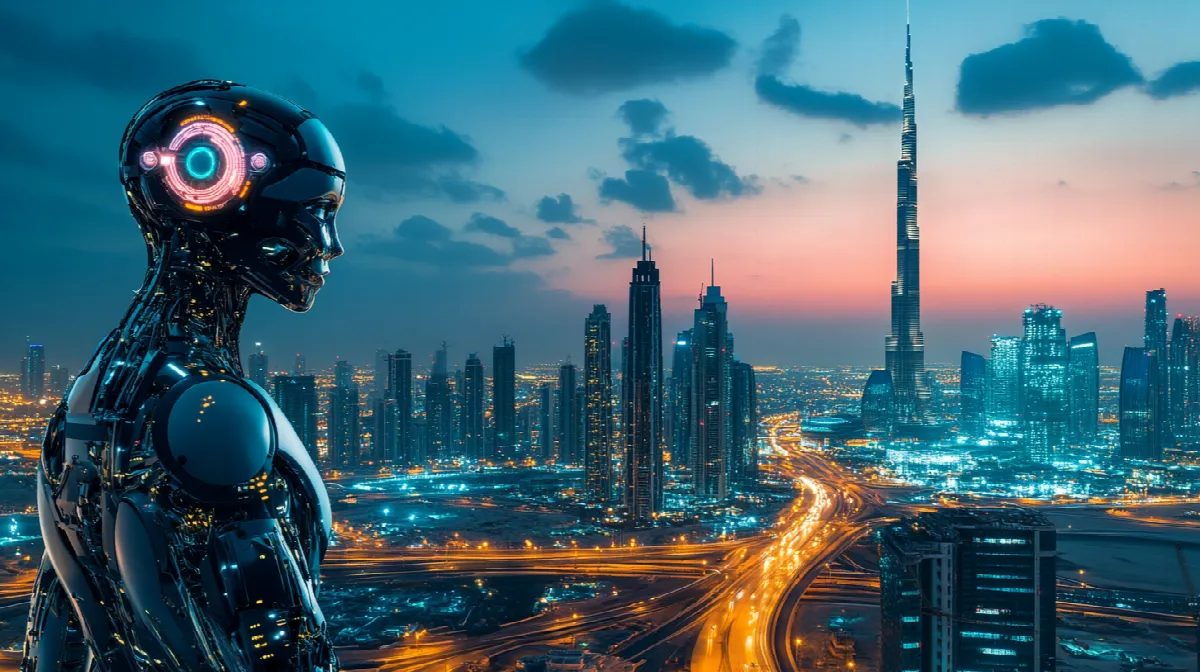
In today’s digital landscape, artificial intelligence stands as both an opportunity and a challenge for professionals across industries. While forecasts paint a concerning picture—with Goldman Sachs predicting 300 million jobs globally could be replaced by AI—many top executives maintain that complete human replacement remains unlikely in the near future.
The Current State of AI and Employment
AI technologies have limitations that prevent them from fully replacing human workers. Concerns about data privacy, algorithmic bias, and difficulties processing unstructured data highlight the technology’s imperfections. Modern workplaces have responded by creating balanced environments where AI handles routine administrative tasks while employees focus on responsibilities that demand human insight.
Education Sector: Teaching with Technology
The education landscape is transforming as institutions adapt to digital-native learners. Virtual and augmented reality are replacing traditional teaching methods in many classrooms.
Dino Varkey, Group Chief Executive Officer at GEMS Education, emphasises that AI should enhance rather than substitute student efforts: “Educators must focus on teaching students how to use AI responsibly as a tool to enhance their work, rather than as a substitute for their efforts.”
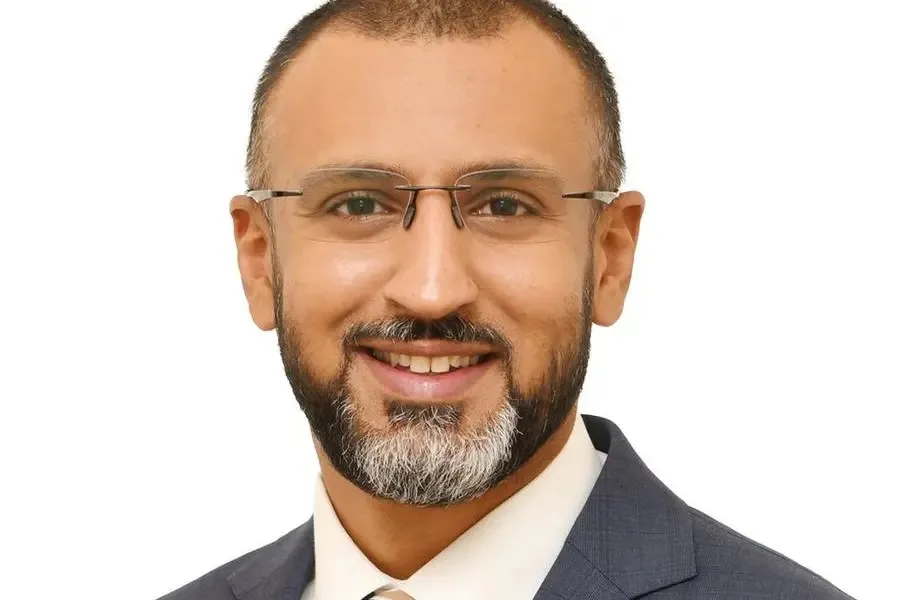
AI in education offers significant advantages:
- Automating administrative work (lesson planning, grading)
- Breaking down complex subjects for better understanding
- Removing language barriers through translation tools
- Enabling global collaboration between students and educators
- Addressing teacher shortages
- Creating personalised learning experiences
- Developing inclusive classrooms with customised lesson plans
However, Varkey notes that “the nuanced guidance and inspiration that teachers provide cannot be replicated by machines.”
Hospitality: The Irreplaceable Human Touch
Despite innovations like self-serving kiosks, chatbots, and robot waiters, the hospitality sector recognises the fundamental importance of human connection.
Dr Naim Maadad, CEO and founder of Gates Hospitality, explains that while his team uses AI to “enhance the guest booking journey or streamline back-of-house operations,” these technologies don’t interfere with guest interactions.
“Personalised service is not just about efficiency; it’s about understanding and anticipating guests’ needs in ways only people can. The warmth of human connection remains hospitality’s greatest differentiator,” Maadad states.
He adds, “In an increasingly automated world, the most memorable experiences will always be those shaped by people, not machines.”
Finance: Data Meets Human Judgment
The finance sector has embraced robo-advisors and AI-driven automation, yet still depends on human expertise for comprehensive decision-making.
Damian Hitchen, CEO of Saxo Bank MENA, explains that finance professionals bring essential human elements to the table:
“People want guidance, reassurance and strategies tailored to their personal goals. Financial advisors and wealth managers interpret AI-generated insights, understand complex financial situations, build trust by understanding emotions, risk tolerance and long-term aspirations.”
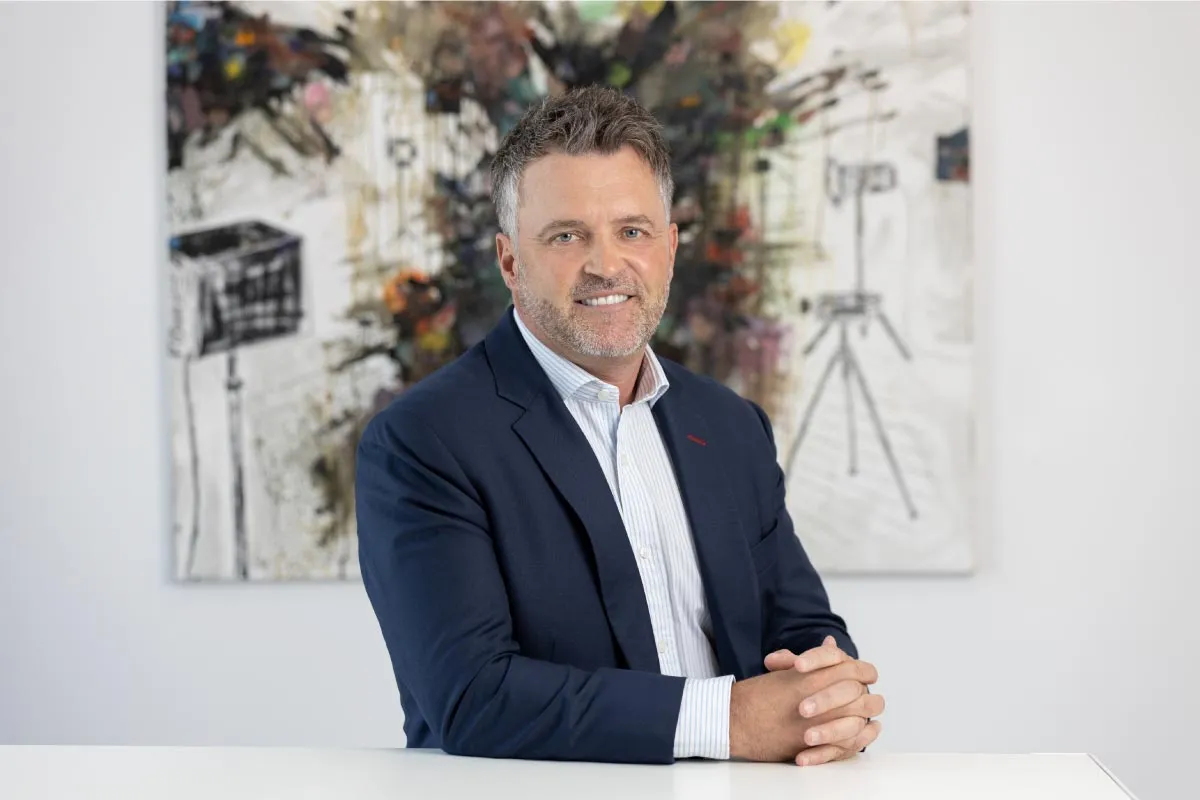
AI has transformed financial operations by:
- Processing transactions more efficiently
- Improving credit underwriting through automated analysis
- Detecting fraud in real-time
- Helping investors identify market trends
Despite these advances, Hitchen maintains that AI “won’t replace humans entirely, at least in the finance sector… AI might find it difficult to grasp the complexities of market trends, geopolitical events, motivations, emotions, behavioural biases, or the intricate rules that govern the financial world.”
Healthcare: AI as a Medical Assistant
In healthcare, AI has demonstrated remarkable capabilities while highlighting the irreplaceable nature of human medical professionals.
Kimberley Pierce, CEO at King’s College Hospital London in Dubai, describes how AI is “reshaping healthcare in ways we could only imagine a few years ago.” The hospital uses “AI-powered breast mammography to detect abnormalities faster and with greater accuracy” and employs “AI-driven clinical documentation” so physicians can focus more on patient care.
Nevertheless, Pierce emphasises that AI remains “an assistant and a partner” in healthcare delivery. “Healthcare isn’t just about diagnostics and data; it’s about human connection, critical thinking and the ability to make complex, ethical decisions in real-time, which will always be irreplaceable.”

Real Estate: A Different Perspective
The real estate industry presents a contrasting view regarding AI’s impact on employment.
Issa Abdul Rahman, Chief Executive Officer at KASCO Developments, predicts that “team sizes across the industry to shrink as much as 50 per cent over the next few years as the technology automates, replaces, and optimises many current job functions.”
At KASCO, AI assists with:
- Brainstorming and visualising ideas
- Data analysis
- Document preparation
- Project coordination
- Filing
- Anticipating market trends
- Identifying investment opportunities
Rahman believes AI will make a “very significant chunk of the current workforce” redundant. However, he acknowledges that “jobs that require a human touch, especially in a field that relies heavily on trust and relationships, will survive.”
Finding the Balance
As AI continues to advance, the key to success appears to lie in finding the optimal balance between technological efficiency and human expertise. While routine and data-driven tasks increasingly shift to AI systems, human professionals maintain their essential role in areas requiring emotional intelligence, ethical judgment, and creative problem-solving.
The future workplace will likely be defined not by AI replacing humans, but by how effectively organisations integrate both to create superior outcomes that neither could achieve alone.
Key Takeaway
While AI will transform many job functions across industries, complete replacement of human workers remains unlikely. The most successful organisations in 2025 will be those that strategically combine AI capabilities with irreplaceable human skills like emotional intelligence, ethical judgment, and creative thinking.
Additional Reading Material
The UAE week, every Monday
The week's stories on jobs, visas, money and daily life in one short email. Unsubscribe in one click.