Indian Rupee Hits Historic Low vs UAE Dirham: What You Need to Know
Latest analysis of Indian rupee’s record decline against UAE dirham, including RBI interventions and impact of US trade policies on currency markets in 2025.
By Vadim Kouznetsov, published
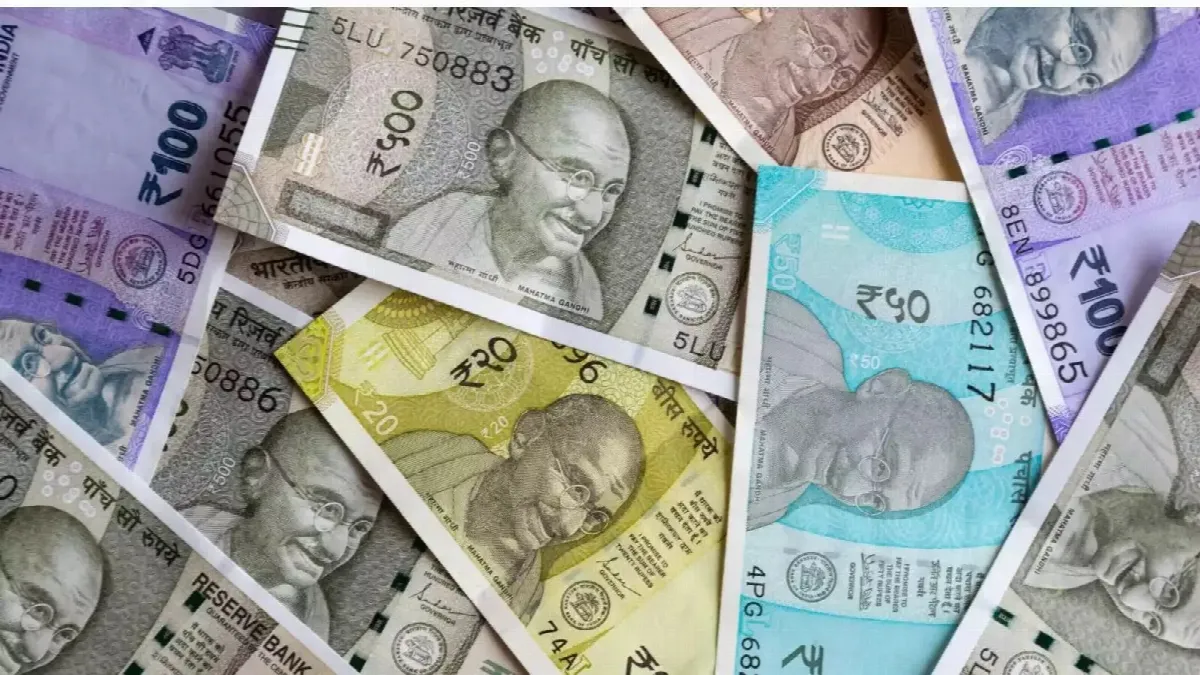
The Indian rupee has struck a fresh historical low against the UAE dirham, prompting swift action from India’s central bank amidst mounting global trade pressures.
Breaking Down the Numbers
On Monday morning, the Indian rupee fell to 87.95 against the US dollar (23.96 UAE dirham), surpassing its previous bottom of 87.5825 (23.86 UAE dirham) recorded last week. By 09:40 AM IST, the currency stood at 87.9050 (23.95 UAE dirham), marking a 0.5% decline.
Central Bank Response
Market observers reported state-run banks selling dollars before the local spot market opened, indicating likely Reserve Bank of India (RBI) intervention. This strategic move helped prevent the rupee from crossing the critical 88-mark against the dollar.
Global Factors at Play
US President Donald Trump’s announcement of new trade measures has intensified market pressures. The proposed policy includes:
- Fresh 25% tariffs on steel and aluminium imports
- Reciprocal tariffs matching rates imposed by other countries
- Implementation scheduled for this week
Market Impact
The currency markets have shown significant movement:
- Dollar index rose to 108.3
- Asian currencies declined between 0.1% and 0.6%
- Indian rupee has dropped approximately 4.5% since the US elections
Investment Landscape
The current situation reflects broader economic challenges:
- Foreign investors have withdrawn over $7.5 billion from Indian stocks and bonds this year
- India’s foreign exchange reserves have dropped to an 11-month low
- Economic growth has shown signs of deceleration
Expert Analysis
Financial analysts at Nomura predict continued pressure on the rupee: “The risks to INR over coming months lean toward relative weakness. Even if the broad USD weakens, the RBI’s active FX purchases would likely limit USD/INR downside.”
This currency situation demands attention from investors, businesses, and policymakers as global trade tensions continue to influence market dynamics.
Additional Reading Material
The UAE week, every Monday
The week's stories on jobs, visas, money and daily life in one short email. Unsubscribe in one click.