UAE Winter 2025: Record-Breaking 2°C Temperature Drop and Weather Forecast
Discover how UAE’s winter temperatures plunged below 2°C, causing frost formation, and learn what weather experts predict for the coming week.
By Vadim Kouznetsov, published
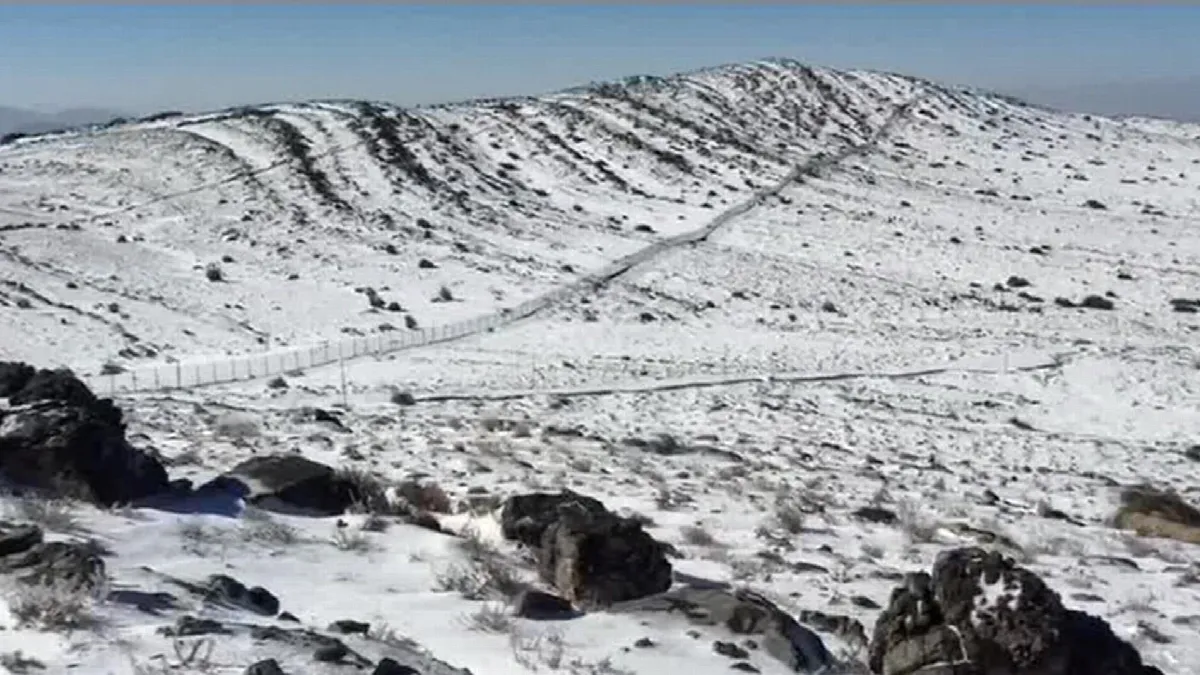
The United Arab Emirates witnessed remarkable weather conditions this weekend, with temperatures dropping below 2°C alongside substantial rainfall across various regions.
Historic Low Temperatures and Natural Phenomena
Dr Ahmed Habib from the National Centre of Meteorology (NCM) shared insights about this exceptional weather event. The dramatic temperature drop created stunning natural displays, with residents observing:
- Ice crystals flowing in mountain streams
- Frost formations on the ground
- Ice pellets coating parked vehicles
Weather Pattern Analysis
The cold spell resulted from an extended low-pressure system, bringing significant changes:
- Heavy rainfall measurements:
- Expo Dubai recorded 14mm by noon on Friday
- Widespread precipitation across northern and eastern regions
- Coastal areas, including Dubai and Abu Dhabi, experienced heavy showers
- Contributing factors:
- Arabian Sea moisture levels
- Upper atmosphere cooling
- European cold air mass influence on northern Gulf areas
Temperature Forecast
According to NCM predictions, residents can expect:
- A gradual temperature increase starting Monday
- Maximum temperatures rising to 28-29°C by January 6-7
- Previous interior area temperatures of 24-25°C
- Temperature variations based on regional air mass effects
Expert Weather Insights
Dr Habib explains that winter temperatures in the UAE typically show variation due to shifting atmospheric pressure systems. The current high-pressure system, expected to continue until January 7, should bring more stable weather conditions.
Regional Impact
The weather system’s progression:
- Initial effects in northern and eastern UAE
- Movement toward coastal regions
- Significant rainfall distribution across extensive areas
- Normal precipitation levels for the season
For real-time weather updates and news, residents can follow official weather channels and local news sources.
This article provides factual weather information based on expert analysis from the National Centre of Meteorology (NCM).
Last updated: January 6, 2025
Additional Reading Material
The UAE week, every Monday
The week's stories on jobs, visas, money and daily life in one short email. Unsubscribe in one click.