Scarlet Fever Alert in UAE: Key Symptoms Parents Should Know | JobXDubai
Learn about scarlet fever symptoms, prevention tips, and treatment guidelines as UAE health officials issue alert. Essential guide for parents in Dubai and beyond.
By Vadim Kouznetsov, published

Recent health alerts from Emirates Health Services (EHS) have brought attention to scarlet fever, prompting parents across the UAE to stay alert about this bacterial infection affecting children.
Understanding Scarlet Fever
Scarlet fever stems from Group A Streptococcus (GAS) bacteria – the same bacteria behind strep throat. While this infection was a major concern in previous centuries, modern antibiotics have made it manageable with proper medical care.
Key Symptoms to Watch
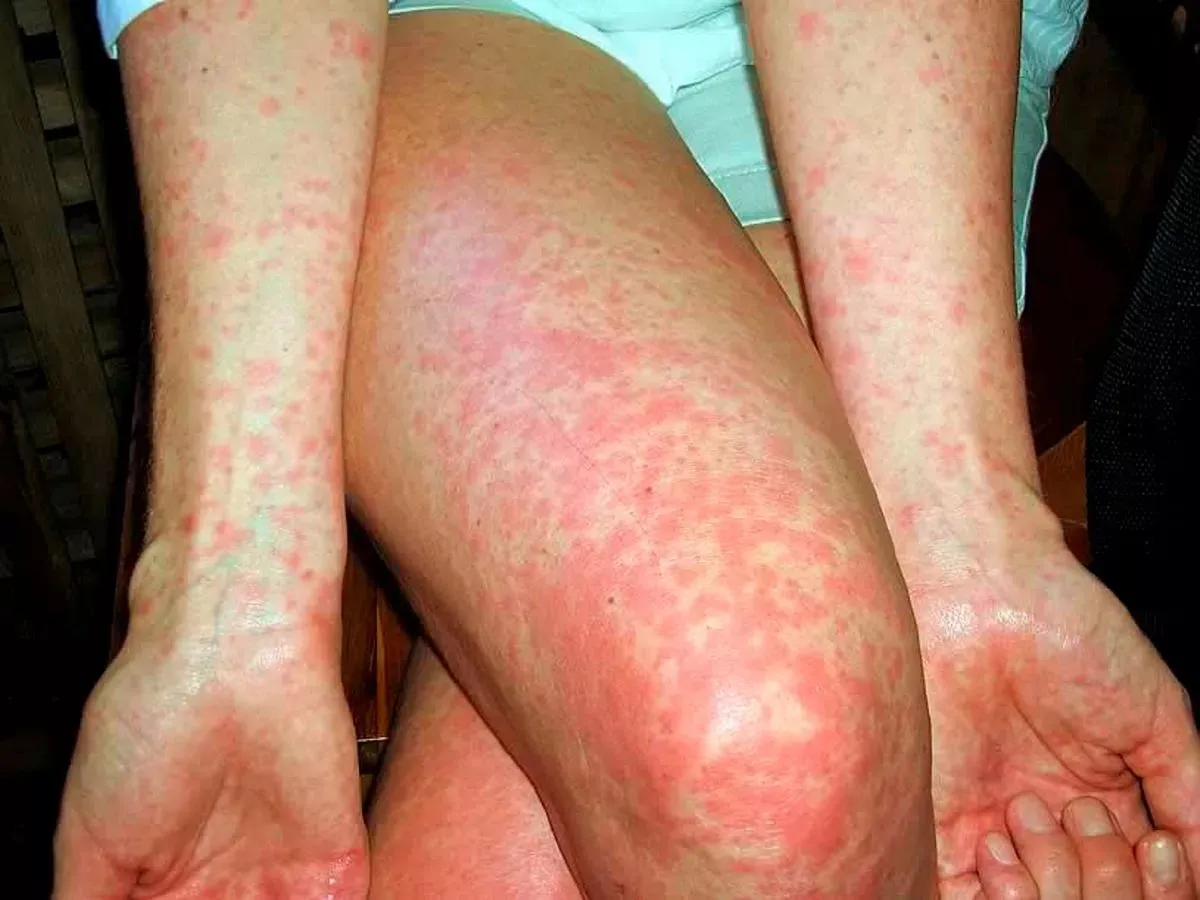
Medical professionals emphasise these primary indicators:
- Red rash with a distinctive sandpaper texture
- Body temperature above 38°C
- Sore throat with white or yellow patches
- Bright red, bumpy tongue (often called ‘strawberry tongue’)
- Swollen glands and headache
Prevention Strategies
Dr Jadeer Akkapparambil from Medcare Hospital, Sharjah, recommends these prevention methods:
- Regular handwashing with soap
- Proper covering during coughs and sneezes
- Avoiding shared food and drinks with infected persons
- Maintaining consistent hygiene practices
Expert Medical Insights
According to Dr Yamen Fayez Elmughanni, consultant paediatrician at Burjeel Specialty Hospital, Sharjah,
“The infection peaks during late fall, winter, and early spring. While it can occur year-round, colder weather increases transmission risks as people spend more time indoors.”
Important Guidelines for Parents
- Seek immediate medical attention if your child shows symptoms
- Keep infected children home until they’ve been fever-free for 24 hours
- Complete the full course of prescribed antibiotics
- Monitor for potential complications
Treatment Approach
Early diagnosis and antibiotic treatment are vital to prevent severe outcomes. Healthcare providers diagnose scarlet fever through:
- Clinical symptom assessment
- Rapid strep testing
- Throat culture analysis
Age Groups at Risk
Children between 5 and 15 years face the highest risk of infection. Parents with children in this age range should pay particular attention to early warning signs.
Professional Medical Care
Contact your healthcare provider immediately if you notice:
- Persistent high fever
- Spreading rash
- Severe throat pain
- Swollen neck glands
Remember:
Prevention and early intervention significantly reduce complications. Stay informed about your child’s health and maintain open communication with healthcare providers.
For the latest updates on health alerts in the UAE, follow JobXDubai’s comprehensive coverage of community health news.
Additional Reading Material
The UAE week, every Monday
The week's stories on jobs, visas, money and daily life in one short email. Unsubscribe in one click.