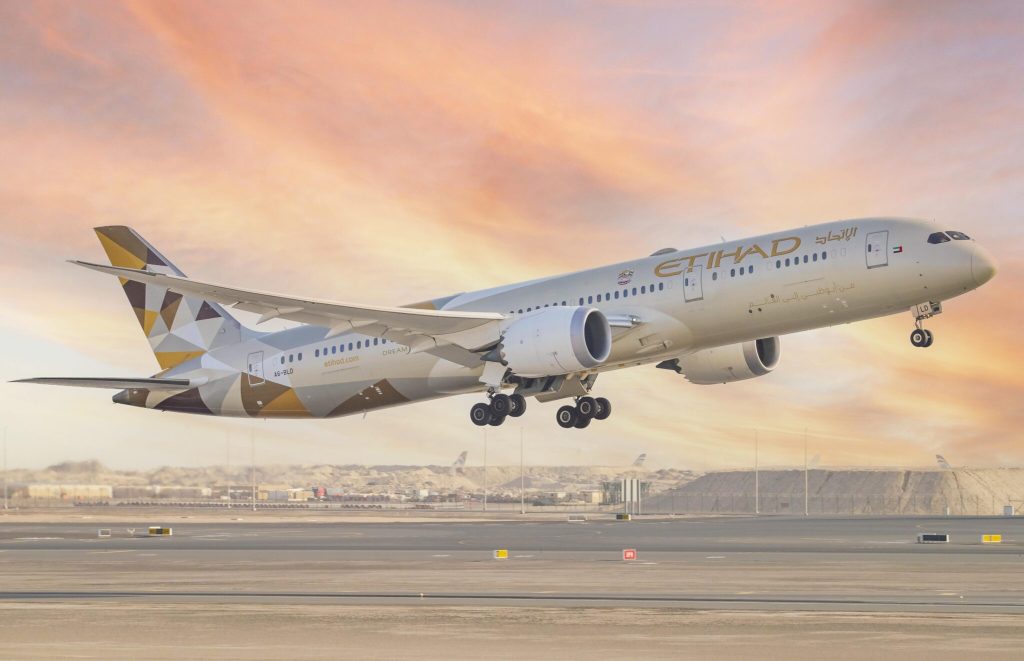
Etihad Airways is owned by the government of Abu Dhabi, United Arab Emirates. The airline serves as the national carrier of the UAE alongside Emirates Airlines (owned by the Dubai government).
Since October 2022, Etihad Airways has been managed through ADQ (Abu Dhabi Developmental Holding Company), a sovereign wealth fund controlled by the Abu Dhabi government.
Here’s a clear breakdown of Etihad’s ownership structure:
| Ownership Detail | Information |
|---|---|
| Country of Ownership | United Arab Emirates (Abu Dhabi) |
| Type of Ownership | 100% government-owned |
| Managing Entity | ADQ (Abu Dhabi Developmental Holding Company) |
| Ownership Transfer Date | October 2022 |
| Previous Structure | Directly under Abu Dhabi government |
| Headquarters | Khalifa City, Abu Dhabi, UAE |
ADQ: Abu Dhabi’s Powerful Sovereign Wealth Fund
ADQ is among the largest holding companies in the Middle East, established in 2018 to develop and manage a diverse portfolio of enterprises across key sectors of Abu Dhabi’s economy.
Key facts about ADQ:
- Assets under management: Approximately $157 billion
- Portfolio: Controls over 90 entities across various sectors
- Sectors: Aviation, logistics, transportation, utilities, healthcare, food
- Chairman: H.E. Mohamed Hassan Alsuwaidi
- CEO: Mohamed Hassan Alsuwaidi
Under ADQ’s management, Etihad Airways is positioned within the fund’s mobility and logistics cluster, creating synergies with other transportation-related assets in the portfolio.
Etihad Airways Performance Under Abu Dhabi Ownership
Since coming under ADQ management, Etihad has experienced remarkable growth and financial improvement:
Financial Performance (2024)
These impressive results demonstrate how Abu Dhabi’s ownership through ADQ has revitalized Etihad’s operations after previous years of financial challenges.
Etihad’s Leadership Under Abu Dhabi Government Control
The success of Etihad Airways under Abu Dhabi’s ownership is largely attributed to its leadership team:
Antonoaldo Neves: Driving Etihad’s Transformation
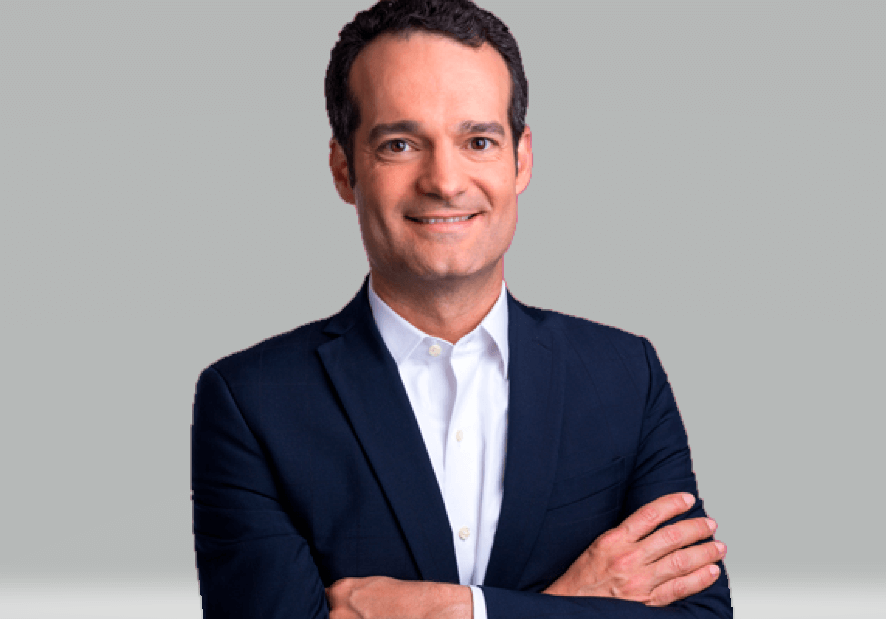
Appointed as CEO in October 2022 (coinciding with the ADQ transfer), Antonoaldo Neves has been instrumental in Etihad’s turnaround:
- Professional background: Former CEO of TAP Air Portugal
- Education: MBA from Harvard Business School
- Key achievements:
- Returned Etihad to profitability
- Expanded route network significantly
- Modernized fleet with fuel-efficient aircraft
- Implemented successful cost management strategies
Abu Dhabi Government’s Aviation Vision
The ownership of Etihad aligns with Abu Dhabi’s broader economic diversification strategy:
- Supporting the Emirate’s tourism growth targets
- Enhancing Abu Dhabi’s status as a global business hub
- Creating jobs and developing aviation expertise among UAE nationals
- Building a comprehensive aviation ecosystem in Abu Dhabi
Comparison: Etihad vs Other Government-Owned Airlines
Understanding Etihad’s ownership in context with other major carriers:
| Airline | Owning Country | Ownership Type | Ownership Percentage |
|---|---|---|---|
| Etihad Airways | UAE (Abu Dhabi) | Government (via ADQ) | 100% |
| Emirates | UAE (Dubai) | Government (ICD) | 100% |
| Qatar Airways | Qatar | Government | 100% |
| Singapore Airlines | Singapore | Government (Temasek) | 55% |
| Air India | India | Tata Group | 100% (Privatized 2022) |
| Lufthansa | Germany | Mixed (public/private) | Government holds <20% |
ADQ’s Strategic Vision for Etihad Airways
Since acquiring Etihad, ADQ has implemented several strategic initiatives:
1. Operational Restructuring
ADQ has streamlined Etihad’s operations by:
- Support services consolidation: Creating specialized companies for ground services, maintenance, and catering
- Cost optimization: Implementing efficiency measures across all departments
- Focus on core business: Allowing the airline to concentrate on passenger experience and route expansion
2. Integration with Abu Dhabi’s Transport Ecosystem
As part of ADQ’s mobility and logistics cluster, Etihad now benefits from:
- Synergies with Abu Dhabi airports: Coordinated development and investment
- Integrated tourism strategy: Alignment with Abu Dhabi’s tourism development plans
- Supply chain optimization: Shared resources and procurement advantages with other ADQ companies
3. Financial Stabilization
ADQ’s financial backing has enabled:
- Debt restructuring: Managing the airline’s previous financial obligations
- Capital investment: Funding for fleet expansion and modernization
- Long-term planning: Support for significant infrastructure development
Etihad Airways’ Future Under Abu Dhabi Ownership
Abu Dhabi’s ownership through ADQ has positioned Etihad for significant future development:
Potential Initial Public Offering (IPO)
Industry sources indicate Etihad may be preparing for a public offering:
- Timeline: Potentially as early as late 2025
- Valuation: Estimated between $12-15 billion
- Ownership structure: Abu Dhabi government likely to retain majority control
- Listing venue: Abu Dhabi Securities Exchange (ADX) most probable
“Journey 2030” Strategic Plan
Under Abu Dhabi’s ownership, Etihad has developed an ambitious long-term plan:
- Target: Attract 10 million point-to-point travelers to Abu Dhabi by 2030
- Tourism integration: Coordination with Abu Dhabi’s cultural attractions and developments
- Hub development: Enhancing Abu Dhabi International Airport as a global connection point
- Fleet expansion: Continued growth in aircraft numbers and routes
Sustainability Initiatives
Abu Dhabi’s ownership has prioritized Etihad’s environmental responsibilities:
- Partnership with Twelve: Developing sustainable aviation fuel production
- Greenliner program: Using Boeing 787s as testbeds for sustainable aviation initiatives
- Carbon offset programs: Expanding customer carbon reduction options
- Fleet modernization: Focus on more fuel-efficient aircraft
Brief History: Etihad’s Ownership Evolution
Understanding how Etihad’s ownership has developed:
- 2003: Established by royal decree from Sheikh Khalifa bin Zayed Al Nahyan with initial capital of AED 500 million
- 2003-2022: Directly owned by the Abu Dhabi government
- October 2022: Ownership transferred to ADQ sovereign wealth fund
- Present: 100% ownership maintained through ADQ with potential IPO considerations
FAQs About Etihad Airways Ownership
Is Etihad owned by Qatar?
No, Etihad Airways is not owned by Qatar. It is 100% owned by the Abu Dhabi government in the United Arab Emirates through its sovereign wealth fund ADQ. Qatar Airways is a separate airline owned by the State of Qatar.
Is Etihad owned by Dubai?
No, Etihad Airways is not owned by Dubai. It is owned by the government of Abu Dhabi, which is the largest emirate in the UAE. Dubai has its own airline, Emirates, which is owned by the Dubai government through the Investment Corporation of Dubai (ICD).
Which government owns Etihad Airways?
Etihad Airways is owned by the government of Abu Dhabi, one of the seven emirates that make up the United Arab Emirates. The ownership is managed through ADQ, Abu Dhabi’s sovereign wealth fund.
Is Etihad Airways a private company?
No, Etihad Airways is not a private company. It is a state-owned airline, fully owned by the Abu Dhabi government through its sovereign wealth fund, ADQ. There have been discussions about a potential partial privatization through an IPO, but it remains 100% government-owned as of 2025.
When was Etihad Airways founded?
Etihad Airways was founded in July 2003 by royal decree issued by Sheikh Khalifa bin Zayed Al Nahyan, who was the ruler of Abu Dhabi and President of the UAE at that time. The airline began operations in November 2003.
Related Reading on JobXDubai
- Etihad Airways: A Luxury in the Skies
- How to Modify Your Etihad Booking
- Etihad Flights: What You Need to Know Before You Book
- Etihad Airways Launches Three Weekly Flights from Abu Dhabi to Sochi
- Everything You Need to Know About Etihad Airways
This article was last updated on March 12, 2025, with the latest information about Etihad Airways’ ownership structure and performance.





 JobXDubai
Leave a comment