Dubai Rental Trends 2024: Multiple Cheques on the Rise
Discover how Dubai tenants are adapting to rising rents with multiple cheque payments. Learn about new trends in the emirate’s property market for 2024.
By Vadim Kouznetsov, published
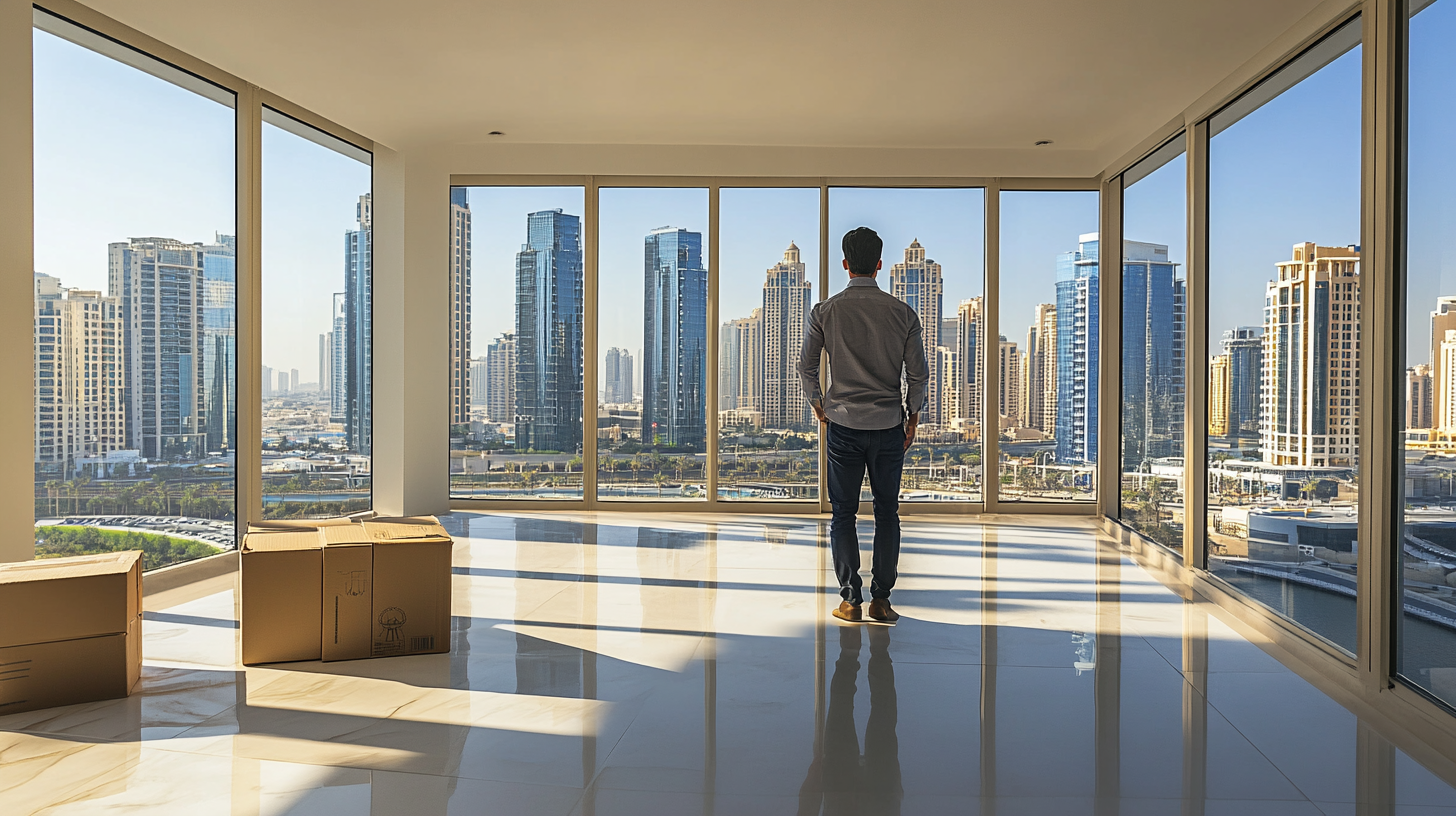
As Dubai’s property market continues to boom in 2024, tenants are adapting to the rising costs by embracing a trend that’s reshaping the rental landscape: multiple cheque payments. This shift reflects the dynamic nature of Dubai’s real estate sector and the innovative ways renters are managing their finances in one of the world’s most vibrant cities.
The Growing Trend of Multiple Cheque Payments
Recent data from the real estate consultancy Allsopp & Allsopp reveals a significant change in how Dubai tenants are approaching their rental payments. The third quarter of 2024 has seen a notable uptick in tenants opting for four or more cheque payments, with some interesting statistics:
- Six cheque payments increased by 33% compared to Q3 2023
- Eight cheque payments saw a 36% rise in the same period
- Overall, rental payments of four-plus cheques now account for 32% of all contracts
This marks a stark contrast to the previous year when single cheque payments were the most popular option. Lewis Allsopp, chairman of Allsopp & Allsopp, notes,
“This trend suggests that despite rising rental prices, tenants are willing to pay these amounts when offered flexible payment options, as they seek to live in premium, high-quality communities.”
Factors Driving the Shift to Multiple Cheques
Several factors are contributing to this new trend in Dubai’s rental market:
- Rising Rental Prices: As rents continue to climb, tenants are looking for ways to spread the cost over the year.
- Influx of New Residents: Many newcomers to Dubai are accustomed to monthly rental payments in their home countries.
- Introduction of Noqodi System: This direct debit system for rent payments has made multiple cheques more appealing to landlords.
- Increased Liquidity: The market is seeing a rise in liquidity, largely due to new residents relocating to Dubai.
- Preference for Premium Locations: Tenants are willing to pay higher rents for desirable areas like Downtown Dubai, Dubai Marina, and Business Bay.
The Impact on Tenants and Landlords
This shift towards multiple cheque payments is having a significant impact on both tenants and landlords in Dubai’s property market.
For Tenants:
- Financial Flexibility: Multiple cheques allow for better cash flow management.
- Access to Premium Properties: Spread payments make high-end rentals more attainable.
- Potential Cost Increase: Some landlords are raising rates for those who choose multiple cheque options.
For Landlords:
- Increased Occupancy: Flexible payment terms can attract more tenants.
- Higher Rental Yields: Some are charging premiums for multiple cheque arrangements.
- Adapting to Market Demands: Landlords are becoming more open to negotiation on payment terms.
The Rise of Ultra-Luxury Rentals
Alongside the trend of multiple cheque payments, Dubai is witnessing a surge in demand for ultra-luxury rentals. Lewis Allsopp observes,
“In Q3 2024, rental activity surged with a 36% increase in viewings and a 13% rise in listings with Allsopp & Allsopp compared to last year.”
This trend is particularly noticeable in prime locations:
Tenants are showing a willingness to pay premium rents for the lifestyle and amenities these areas offer. In return, they’re benefiting from the option to spread their payments across multiple cheques.
The Landlord’s Perspective
While the market is shifting towards more flexible payment options, it remains largely landlord-friendly. Prathyusha Gurrapu, head of research and consulting at Cushman and Wakefield Core, notes that many landlords still prefer fewer cheques.
However, there’s a noticeable difference in approach between different types of landlords:
- Large Institutional Landlords: Companies like Wasl are offering more flexible options, including monthly payments and various payment methods.
- Individual Landlords: Many are becoming more open to negotiation, especially for properties with lower occupancy rates.
Gurrapu adds, “As more tenants request to spread their payments, some landlords may respond by increasing rents for those who choose this option. However, the number of cheques remains negotiable, largely influenced by current occupancy levels and demand for a particular property.”
The Luxury Market: A Case Study
The luxury segment of Dubai’s rental market provides a fascinating glimpse into the city’s broader real estate trends. In Q3 2024, the emirate saw an unprecedented surge in ultra-luxury property sales:
- 90 homes worth over $10 million were sold in this quarter alone
- Experts predict continued growth in the premium market
- The number of millionaires in Dubai is expected to double over the next decade
This influx of high-net-worth individuals is having a ripple effect on the rental market, driving up demand and prices for luxury rentals.
Navigating the New Rental Landscape: Tips for Tenants
For those looking to rent in Dubai in 2024 and beyond, here are some key tips to navigate the changing market:
- Be Prepared to Negotiate: With more landlords open to flexible payment terms, don’t be afraid to discuss multiple cheque options.
- Consider the Total Cost: While multiple cheques offer flexibility, be aware that some landlords may charge a premium for this option.
- Research Area-Specific Trends: Rental practices can vary significantly between different areas of Dubai.
- Plan for the Long Term: With rents on the rise, consider longer lease terms if you plan to stay in Dubai for an extended period.
- Explore Different Payment Methods: Look into options like the Noqodi system for direct debit payments.
The Future of Dubai’s Rental Market
As we look towards the future, several factors are likely to shape Dubai’s rental market:
- Continued Population Growth: The influx of professionals and high-net-worth individuals is expected to continue, driving demand.
- Economic Diversification: Dubai’s efforts to diversify its economy may attract new industries and residents.
- Technological Advancements: Systems like Noqodi may further streamline rental payments and processes.
- Sustainability Focus: Growing emphasis on sustainable living may influence rental preferences and property development.
- Regulatory Changes: Any updates to Dubai’s property laws could significantly impact the rental market.
Conclusion: Adapting to a Dynamic Market
Dubai’s rental market in 2024 is characterised by its dynamism and adaptability. The rise of multiple cheque payments reflects both the challenges and opportunities present in this vibrant real estate sector. As tenants seek flexibility and access to premium locations, and landlords adapt to changing market demands, we’re witnessing a transformation in how rental agreements are structured and negotiated.
For expats and locals alike, understanding these trends is crucial for navigating Dubai’s competitive rental market. Whether you’re a tenant looking for your next home or a landlord considering your payment terms, staying informed about these shifts will be key to making the most of Dubai’s exciting property landscape in 2024 and beyond.
As Dubai continues to cement its position as a global hub for business and luxury living, its rental market will undoubtedly continue to evolve. By staying attuned to these changes and being ready to adapt, both tenants and landlords can thrive in this dynamic environment.
The UAE week, every Monday
The week's stories on jobs, visas, money and daily life in one short email. Unsubscribe in one click.