How can a foreigner teach in Dubai?
Discover the steps to secure a teaching job in Dubai, including qualifications, application process, salary expectations, and top schools for foreign educators.
By Vadim Kouznetsov, published

Dubai, with its gleaming skyscrapers and vibrant multicultural atmosphere, has become an increasingly popular destination for educators seeking international experience. The emirate’s rapid growth and commitment to education have created a thriving job market for foreign teachers. If you’re considering a teaching career in this dynamic city, you’ve come to the right place. This comprehensive guide will walk you through the process of securing a teaching position in Dubai as a foreigner.
Why Teach in Dubai?
Before we delve into the specifics, let’s explore why Dubai has become such an attractive destination for educators worldwide:
- Tax-free salaries: One of the most significant draws for teachers is the opportunity to earn a tax-free income, allowing for greater saving potential.
- Modern facilities: Dubai’s schools are known for their state-of-the-art facilities and resources, providing an excellent teaching environment.
- Multicultural experience: Working in Dubai offers the chance to interact with students and colleagues from diverse cultural backgrounds, broadening your global perspective.
- Professional development: Many schools in Dubai offer robust professional development programmes, helping you grow in your career.
- High standard of living: Dubai provides a comfortable lifestyle with modern amenities, excellent healthcare, and a safe living environment.
Qualifications and Requirements
To teach in Dubai, you’ll need to meet certain qualifications and requirements. These may vary slightly depending on the specific school and position, but generally include:
- Education: A bachelor’s degree is the minimum requirement, preferably in education or your subject area. For secondary school positions, a degree in your specific subject is often required.
- Teaching certification: You must hold a valid teaching licence or certification from your home country. Common qualifications include PGCE, PGDE, QTS, or a state teaching licence for American educators.
- Experience: Most schools require at least two years of teaching experience in your subject area and grade level. Some prestigious institutions may ask for three or more years.
- Language proficiency: Fluency in English is essential. While Arabic is not always required, it can be an advantage.
- Age: While not an official requirement, many schools prefer teachers under 55 due to visa restrictions for those over 60.
- Additional certifications: For English language teaching positions, a TEFL or CELTA certification is often required.
- Clean criminal record: You’ll need to provide a police clearance certificate from your home country.
Types of Teaching Jobs in Dubai
Dubai offers a wide range of teaching opportunities across various educational levels and curricula. Some common positions include:
- Early years and primary school teachers
- Secondary school subject teachers
- English as a Second Language (ESL) teachers
- Special education teachers
- International Baccalaureate (IB) teachers
- Curriculum coordinators
- Department heads and school administrators
The Application Process
Securing a teaching position in Dubai involves several steps:
- Research and preparation: Familiarise yourself with the Dubai education system, different curricula offered, and top schools in the emirate.
- Job search: Look for positions on international school job boards, recruitment agencies specialising in education, and individual school websites.
- Application submission: Prepare a strong CV highlighting your qualifications and experience. Tailor your application to each school’s requirements. (JobXDubai offers professional CV services from £49 )
- Interviews: Initial interviews are often conducted online. Be prepared to discuss your teaching philosophy, experience with different curricula, and cultural adaptability.
- Document authentication: If offered a position, you’ll need to have your educational and professional documents attested by relevant authorities in your home country and the UAE.
- Visa process: Your employer will handle the visa application process, but you’ll need to provide necessary documentation.
- Educator Permit: All teachers in Dubai must register with the UAE’s Educator Permit System.
Salaries and Benefits
Teaching jobs in Dubai typically offer competitive compensation packages. While salaries can vary based on qualifications, experience, and the specific school, here’s a general overview:
- Monthly salaries: Range from 9,000 to 21,000 AED (approximately £1,900 to £4,400)
- Tax-free income: Your entire salary is tax-free, significantly increasing your take-home pay
- Accommodation: Many schools provide free housing or a housing allowance
- Health insurance: Comprehensive health coverage is usually included
- Annual flight tickets: Most packages include an annual flight to your home country
- End-of-service gratuity: A lump sum payment based on your length of service
Top Schools for Teaching Opportunities
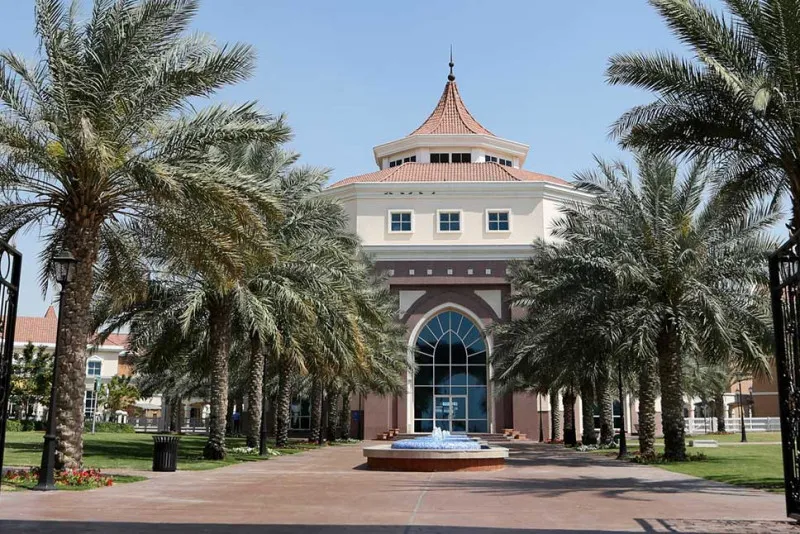
While there are many excellent schools in Dubai, some consistently rank highly and are known for offering good teaching environments:
- Dubai College: Known for its academic focus and evidence-based teaching approach
- Jumeirah English Speaking School (JESS): Offers a supportive environment for teachers
- GEMS Dubai American Academy: Part of the renowned GEMS Education network
- Kings’ School Dubai: Known for innovative learning techniques
- Repton School Dubai: Offers both British and IB curricula
Professional Development Opportunities
Many schools in Dubai prioritise ongoing professional development for their teachers. While specific programmes vary by school, you can expect opportunities such as:
- Workshops on innovative teaching methods
- Conferences and seminars
- Online courses covering various educational topics
- Mentoring programmes
- Research opportunities
Challenges and Considerations
While teaching in Dubai offers many benefits, it’s important to be aware of potential challenges:
- Cultural differences: Dubai is a Muslim country with different cultural norms and expectations. It’s crucial to respect local customs and laws.
- Work-life balance: The academic year in Dubai can be intense, with longer school days than you might be used to.
- Weather: Dubai’s hot climate can be challenging, especially for those unused to high temperatures.
- Cost of living: While salaries are tax-free, Dubai can be an expensive city, particularly for housing and entertainment.
- Job market competitiveness: The attractive packages and international appeal of Dubai create a competitive job market for teachers.
Conclusion
Teaching in Dubai offers a unique opportunity to gain international experience, enjoy tax-free earnings, and work in a dynamic, multicultural environment. While the process of securing a teaching position and adjusting to life in Dubai may seem daunting, the rewards can be significant both personally and professionally.
By understanding the requirements, preparing thoroughly for the application process, and being open to new experiences, you can position yourself for a successful teaching career in this exciting emirate. Whether you’re a newly qualified teacher looking to broaden your horizons or an experienced educator seeking a new challenge, Dubai’s vibrant education sector has something to offer.
Remember, teaching in Dubai is not just about imparting knowledge – it’s about embracing a new culture, contributing to a rapidly evolving education system, and growing as both an educator and a global citizen. With careful planning and an open mind, your teaching journey in Dubai could be the adventure of a lifetime.
The UAE week, every Monday
The week's stories on jobs, visas, money and daily life in one short email. Unsubscribe in one click.