Saudi Arabia Targets High-Spending Indian and Chinese Tourists
Saudi Arabia shifts focus to attract affluent tourists from India and China, aiming for 150 million annual visitors by 2030. Discover the Kingdom’s ambitious tourism plans.
By Vadim Kouznetsov, published
Saudi Arabia is setting its sights on a new horizon in the tourism sector, with a keen focus on attracting high-spending visitors from India and China. This strategic move comes as the Kingdom surpasses its initial target of 100 million annual visitors well ahead of schedule, prompting a revision of its goals to an ambitious 150 million visitors by 2030.
A New Direction for Saudi Tourism
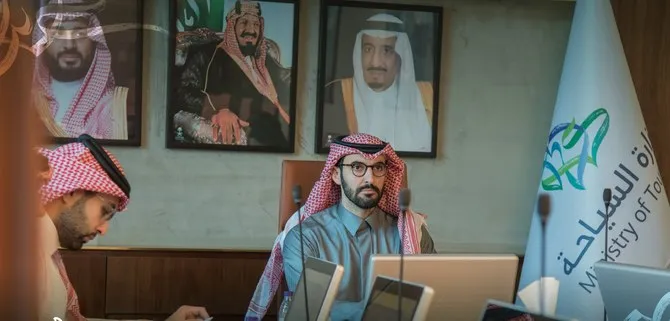
Sultan Al Musallam, Saudi Arabia’s Deputy Minister of Tourism for International Affairs, recently shed light on the Kingdom’s evolving tourism strategy. “We’re not just bringing in tourists – we want visitors who contribute meaningfully to the economy,” Al Musallam stated, highlighting the shift towards quality over quantity in the tourism sector.
The Kingdom is actively exploring the expansion of its e-visa programme, which currently covers 63 countries, including China. This expansion is part of a broader initiative to tap into new markets and diversify the tourism landscape.
The Eastern Promise: India and China in Focus
While European markets continue to show growth, particularly in leisure tourism, Saudi Arabia recognises the vast potential in Eastern markets. The burgeoning middle-income segment in India presents a significant opportunity for the Kingdom.
“Indian tourists are evolving—they’re no longer just exploring neighbouring destinations but venturing further, which benefits us,” Al Musallam noted. The Kingdom is working closely with the Indian government to expand beyond the traditional visiting friends and relatives (VFR) segment and religious tourism, aiming to attract more affluent tourists seeking novel experiences.
Similarly, Saudi Arabia is optimistic about a rebound in Chinese tourism, with the country already included in the e-visa programme. This focus on high-spending visitors from these populous nations aligns with the Kingdom’s goal of creating a new base of international visitors who can significantly contribute to the economy.
Balancing Domestic and International Tourism
The Ministry of Tourism aims to achieve a 50-50 mix of international and domestic tourists by 2030. In 2023, Saudi Arabia welcomed 77 million domestic tourists and 27 million international travellers, totalling 104 million visitors. Domestic visitor spending saw a robust growth of 21.5% to SAR 142.5 billion.
Economic Impact and Job Creation
The tourism sector’s contribution to Saudi Arabia’s GDP surged by over 32% last year, reaching SAR 444.3 billion. The World Travel & Tourism Council reports that jobs supported by the tourism sector grew by 436,000, reaching over 2.5 million – accounting for nearly one in five jobs in the Kingdom.
Infrastructure Development to Meet Demand
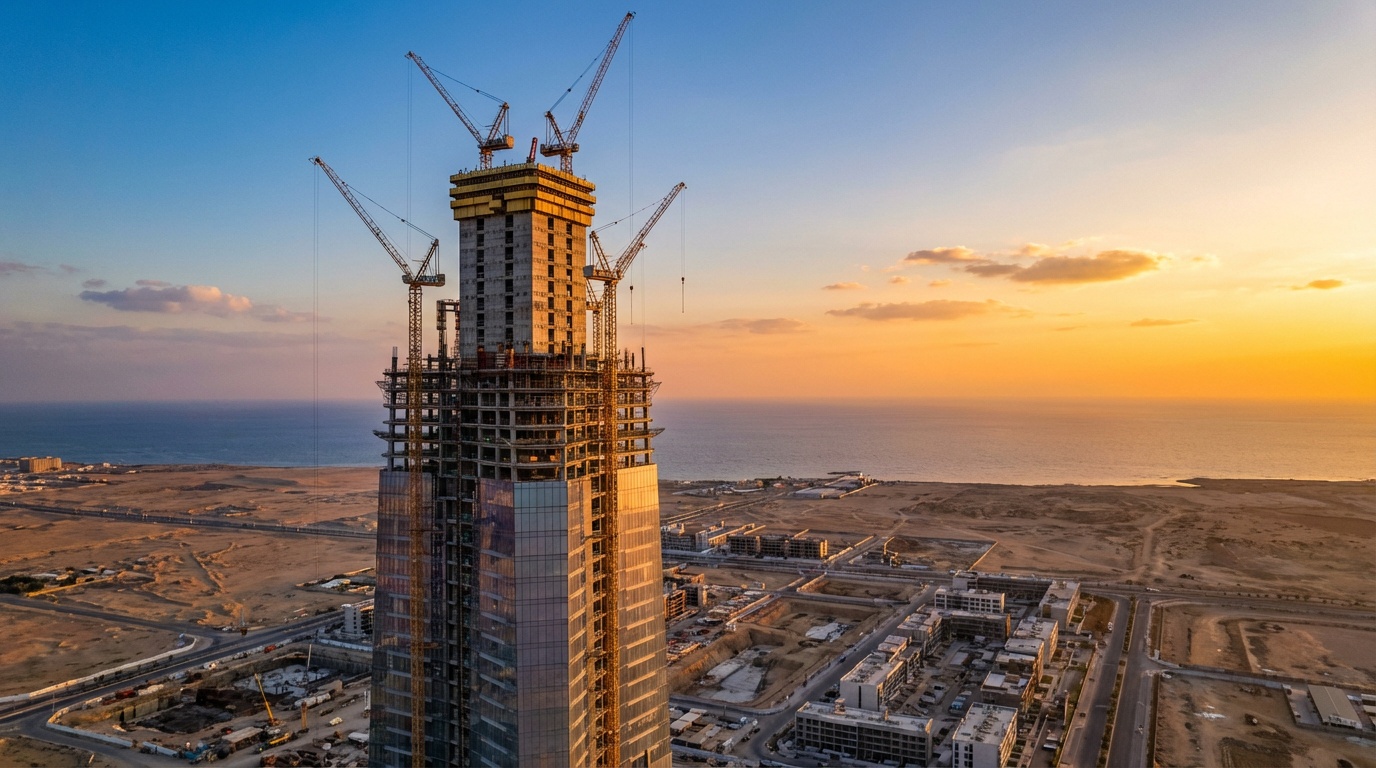
To accommodate the rising number of tourists, Saudi Arabia is advancing several giga and mega projects, including Neom, Red Sea, Qiddiya, Roshn, Diriyah, and New Murabba. The Kingdom is also expanding its airport infrastructure, with the Red Sea International Airport already operational and plans for the King Salman Airport underway.
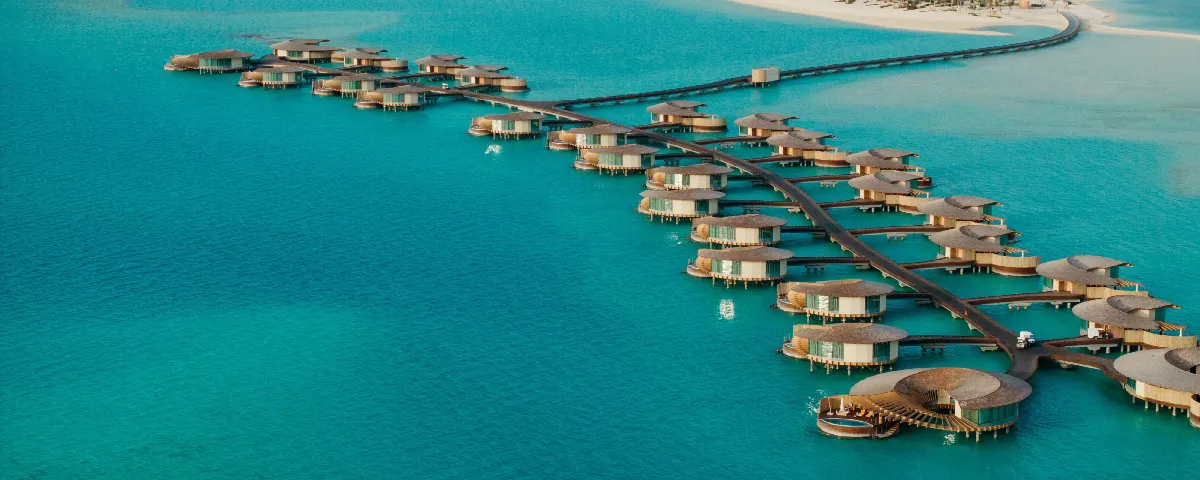
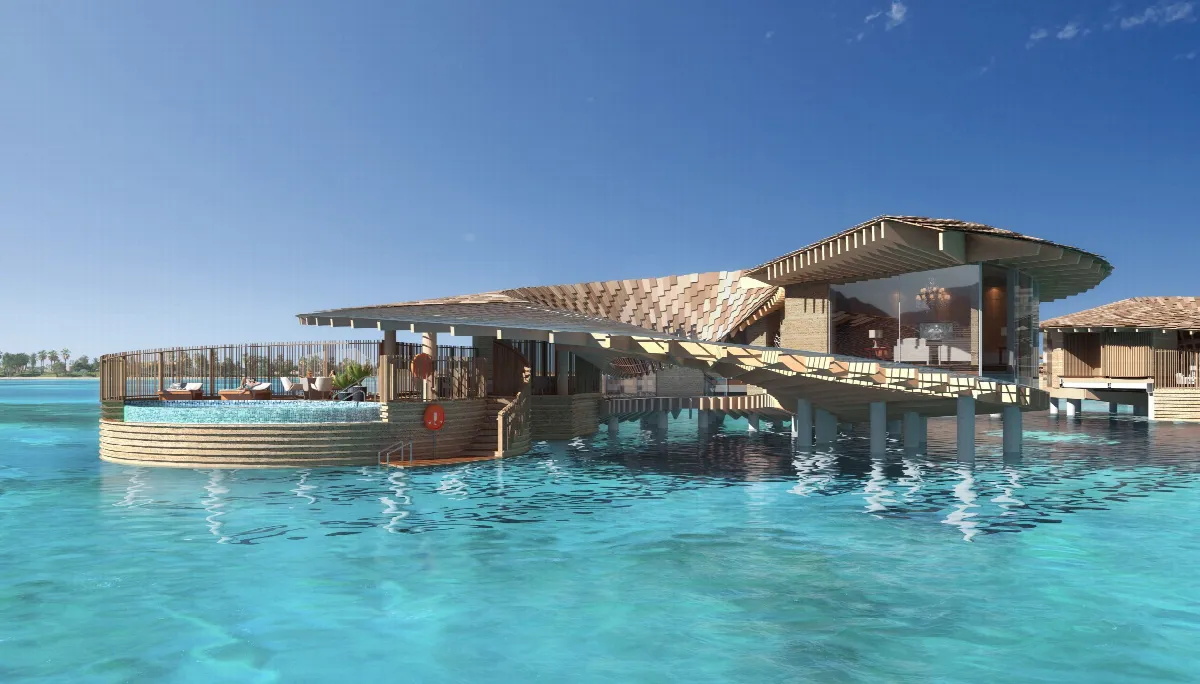
Al Musallam emphasised the rapid pace of development, stating, “This is already happening in the Red Sea, where many resorts are open or set to open soon. The St. Regis, Ritz-Carlton, and Six Senses are operational, with more on the way next year.”
Attracting Foreign Investment
The Kingdom’s tourism sector is increasingly attracting foreign investors. Notable developments include the Hyatt Group holding its first-ever board meeting outside the US in Saudi Arabia, and growing interest from hotel groups in India, China, and Thailand.
Looking Ahead: A GCC-Wide Tourism Visa
Discussions are underway among GCC countries to implement a unified tourism visa, which could revolutionise regional travel. While the timeline for this initiative is yet to be determined, it represents another step in Saudi Arabia’s comprehensive approach to boosting its tourism sector.
As Saudi Arabia continues to diversify its economy and reduce its dependence on oil, the tourism sector stands out as a key driver of growth. By focusing on high-value visitors from emerging markets like India and China, the Kingdom is positioning itself as a premier destination for discerning travellers seeking unique experiences in the heart of the Middle East.
The UAE week, every Monday
The week's stories on jobs, visas, money and daily life in one short email. Unsubscribe in one click.