Ratan Tata: The Visionary Who Revolutionised Indian Business
Explore Ratan Tata’s journey from shop floor to Tata Group chairman. Learn how he transformed Indian business and left a lasting impact on global industry.
By Vadim Kouznetsov, published
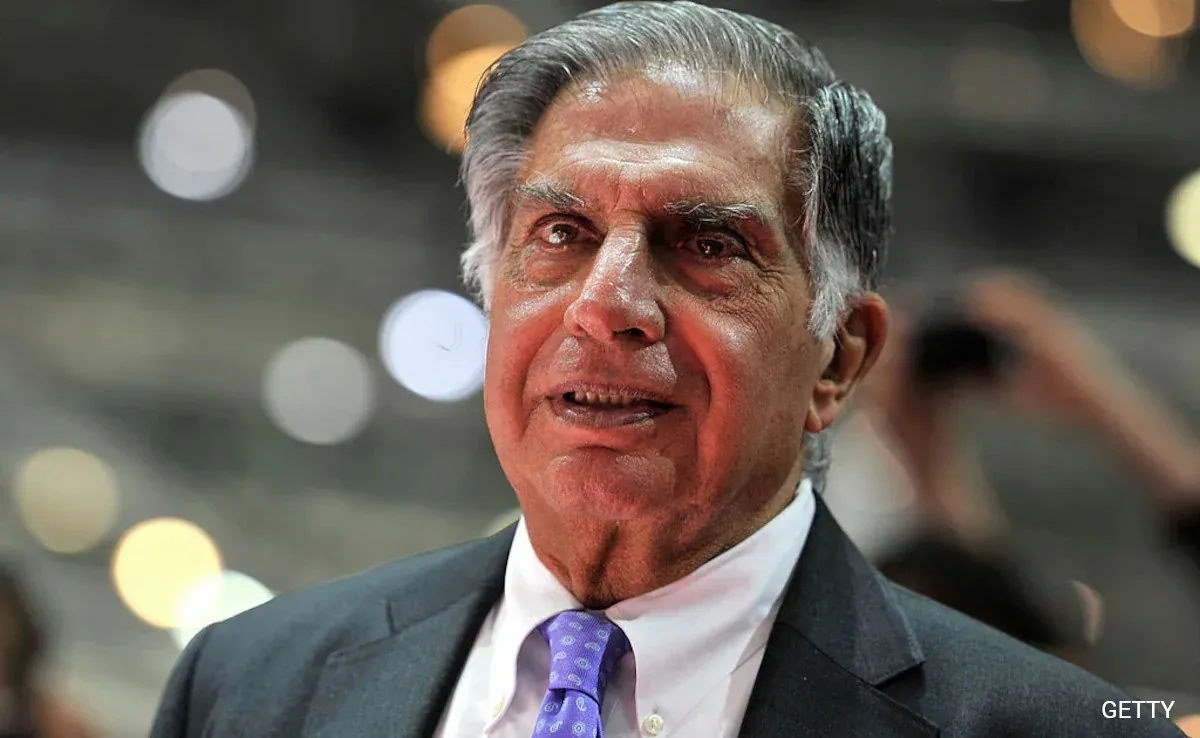
In the annals of Indian business history, few names shine as brightly as Ratan Naval Tata. Born on 28 December 1937 in Mumbai, Tata’s journey from a young man working on the shop floor of Tata Steel to becoming the chairman of one of India’s largest conglomerates is nothing short of remarkable. His tenure at the helm of the Tata Group from 1991 to 2012 marked a period of unprecedented growth and global expansion, cementing the group’s position as a force to be reckoned with on the world stage.
Early Life and Education
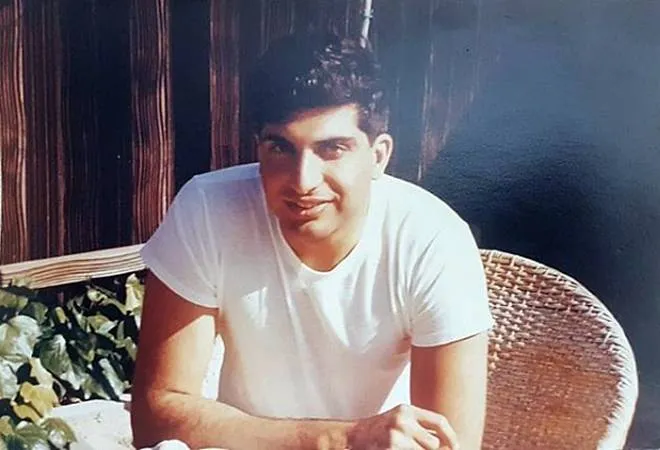
Ratan Tata’s early years were shaped by significant personal challenges. At the age of 10, his parents separated, leading to his upbringing by his grandmother, Navajbai Tata. Despite the family’s considerable wealth, young Ratan was instilled with strong values and a sense of discipline that would serve him well throughout his life.

Seeking to broaden his horizons, Tata pursued higher education in the United States, earning a degree in architecture from Cornell University. His time at Cornell was formative, not just academically, but also in developing lifelong passions for flying and fast cars – interests that would remain with him throughout his career.
The Rise to Leadership
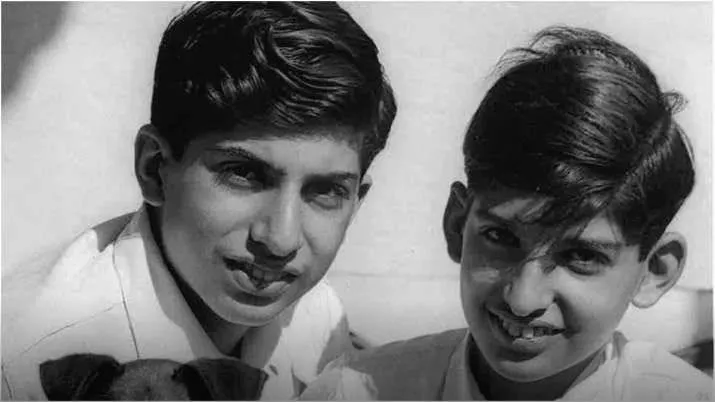
Tata’s journey with the group began in 1961 when he started working on the shop floor of Tata Steel. These early years in management were a mixed bag of successes and setbacks as he worked to turn around struggling subsidiaries. However, these experiences proved invaluable, honing his skills and preparing him for the challenges that lay ahead.
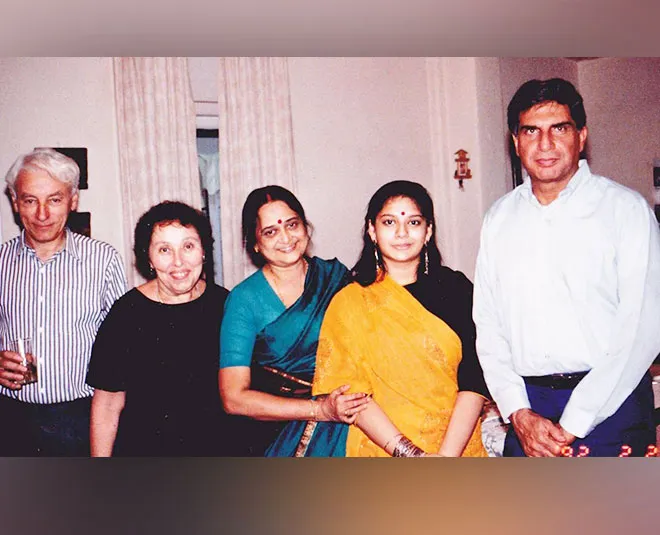
The turning point came in 1991 when J.R.D. Tata stepped down as chairman of Tata Sons, naming Ratan Tata as his successor. This appointment was initially met with scepticism and resistance from some quarters, but Ratan Tata was about to prove his mettle in spectacular fashion.
Transforming the Tata Group
Under Ratan Tata’s stewardship, the Tata Group underwent a remarkable transformation. Here are some of the key achievements that defined his tenure:
- Global Expansion: Tata led a series of bold international acquisitions that put the group on the global map. Notable among these were:
- The acquisition of Tetley Tea for $450 million in 2000
- The $13 billion purchase of Corus Steel in 2007
- The $2.3 billion acquisition of Jaguar Land Rover in 2008
- Financial Growth: The numbers speak for themselves. During Tata’s 21-year tenure:
- The group’s revenues grew over 40 times
- Profits increased more than 50 times
- Annual revenues skyrocketed from around $5 billion in 1991 to over $100 billion by 2012
- Innovation and Product Development: Tata was a driving force for innovation within the group. Perhaps the most famous example of this was the development of the Tata Nano, conceived as the world’s most affordable car with a price tag of just Rs 1 lakh. While the Nano didn’t achieve the commercial success initially hoped for, it showcased Tata’s commitment to innovation and his desire to make car ownership accessible to a broader segment of the Indian population.
- Corporate Restructuring: Tata implemented significant organisational changes that streamlined the group’s operations. He introduced a retirement age policy and made it mandatory for each company to report to the group office. While these changes initially faced resistance, they ultimately strengthened the group’s cohesion and efficiency.
The Jaguar Land Rover Acquisition: A Case Study in Bold Leadership
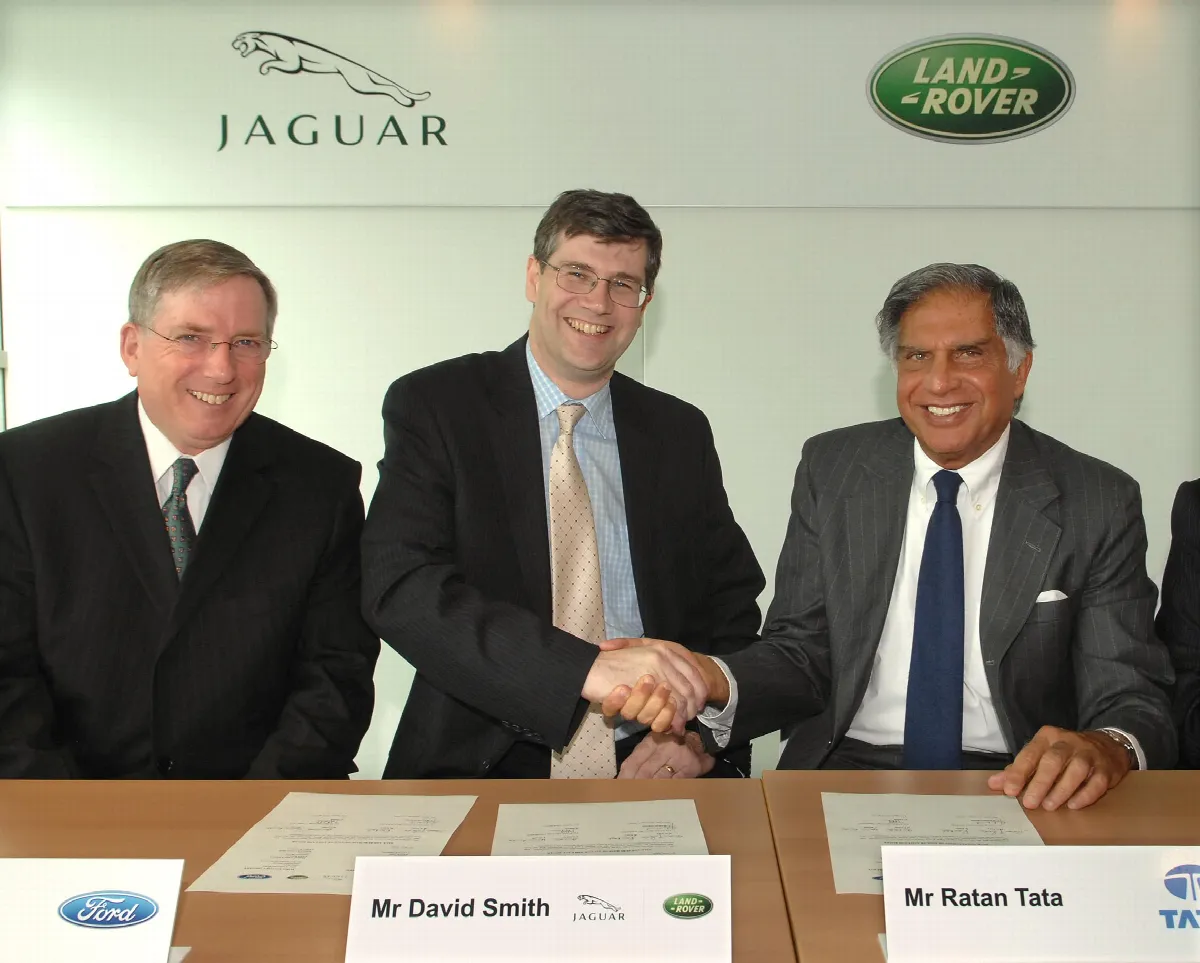
The acquisition of Jaguar Land Rover (JLR) in 2008 stands out as a testament to Ratan Tata’s vision and courage. At a time when the global economy was reeling from the financial crisis, Tata Motors, under Ratan’s leadership, took the bold step of acquiring these iconic British brands from Ford for $2.3 billion.
The acquisition was fraught with challenges from the outset:
- The global financial crisis led to a 32% plunge in JLR’s sales volumes in the 10 months following the acquisition.
- Tata Motors’ debt nearly doubled to 435.8 billion rupees by March 2009.
- There were concerns about maintaining JLR’s premium brand image under Tata’s ownership, given the latter’s reputation for budget vehicles.
Despite these hurdles, Ratan Tata’s long-term vision and strategic approach turned the acquisition into a resounding success:
- JLR’s value grew from $2.3 billion at acquisition to an estimated $14 billion within just 5 years.
- Tata increased R&D investments in JLR, leading to new product development and technological advancements.
- The acquisition allowed JLR to expand into emerging markets, particularly leveraging Tata’s strong presence in India.
This acquisition not only revitalised JLR but also elevated Tata Motors’ status in the global automotive industry, demonstrating the company’s ability to successfully manage and grow premium international brands.
Philanthropy and Social Responsibility
Ratan Tata’s impact extends far beyond the business world. His commitment to philanthropy and social responsibility has left an indelible mark on Indian society. Some of his notable philanthropic efforts include:
- Establishing the Tata Medical Center in Kolkata to provide world-class cancer treatment, especially for underserved communities.
- Supporting initiatives addressing maternal health, child health, mental health, and diseases like cancer, malaria and tuberculosis.
- Donating Rs 500 crore during the COVID-19 pandemic to help combat the crisis.
- Funding scholarships for underprivileged students through Tata Trusts.
- Launching the Transforming Rural India Initiative (TRI) to address acute poverty in rural areas.
- Supporting research initiatives, such as granting Rs 750 million to the Centre for Neuroscience at the Indian Institute of Science for Alzheimer’s research.
Tata ensured that 60-65% of Tata Sons’ dividends were directed to charitable causes, setting a new standard for corporate social responsibility in India.
Legacy and Impact
Ratan Tata’s leadership transformed the Tata Group from a largely India-centric conglomerate into a global business powerhouse. His vision of combining capitalism with social responsibility has left a lasting impact on Indian business culture.
Tata’s approach to leadership was characterised by:
- A strong global vision, expanding the group’s operations to over 100 countries.
- A focus on innovation and risk-taking, venturing into new sectors and technologies.
- A commitment to corporate restructuring and professionalisation of management.
- An emphasis on ethical business practices and social responsibility.
Even after stepping down as chairman in 2012, Tata remained active in business and philanthropy, investing in startups and continuing his charitable work. His passing on 9 October 2024, at the age of 86, marked the end of an era in Indian business.
Conclusion
Ratan Tata’s journey from a shop floor worker to the chairman of one of India’s largest conglomerates is a testament to his vision, perseverance, and leadership. His tenure at the helm of the Tata Group saw the transformation of an Indian company into a global powerhouse, all while maintaining a strong commitment to ethics and social responsibility.
Tata’s legacy extends far beyond the balance sheets and international acquisitions. He set a new standard for Indian business leaders, demonstrating that it’s possible to achieve global success while staying true to one’s values and giving back to society. As India continues its journey as a major player on the world stage, the principles and practices established by Ratan Tata will undoubtedly continue to influence and inspire future generations of business leaders.
The UAE week, every Monday
The week's stories on jobs, visas, money and daily life in one short email. Unsubscribe in one click.