Dash Cams in UAE: Legal Guide for Motorists | Privacy Laws Explained
Learn about dash cam legality in the UAE. Understand privacy laws, penalties for misuse, and best practices for using dashboard cameras on UAE roads.
By Vadim Kouznetsov, published
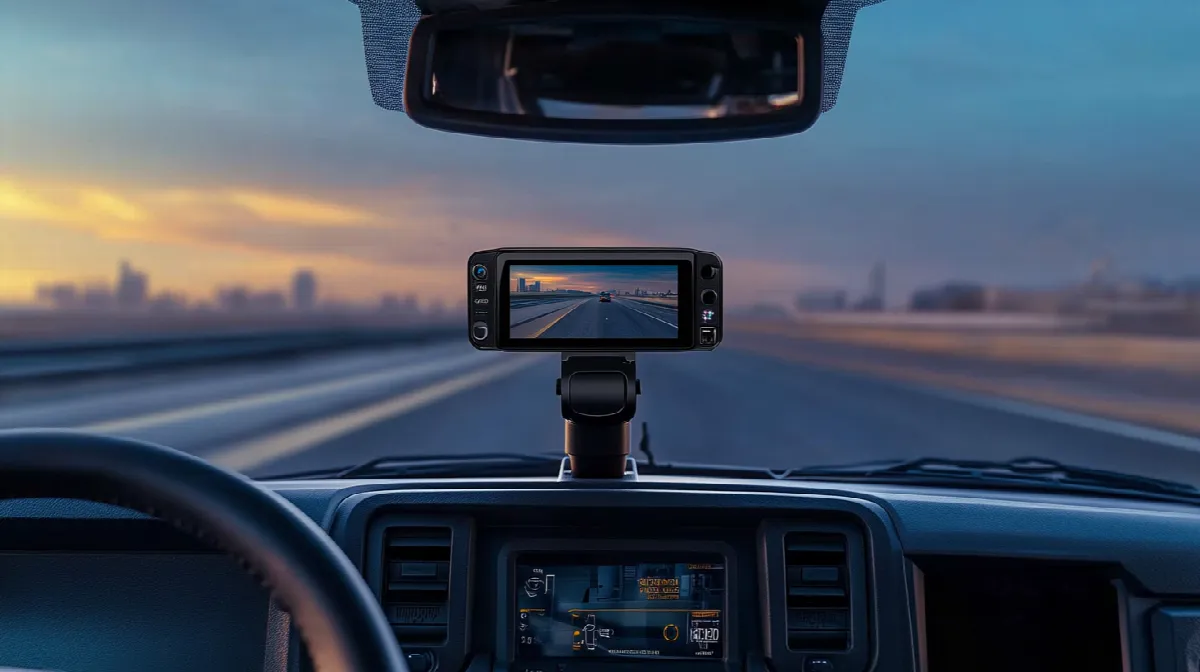
Dash cams have become increasingly popular among motorists in the UAE, but their use comes with important legal considerations. This guide breaks down what you need to know about using dash cams legally and responsibly in the Emirates.
What is a dash cam?
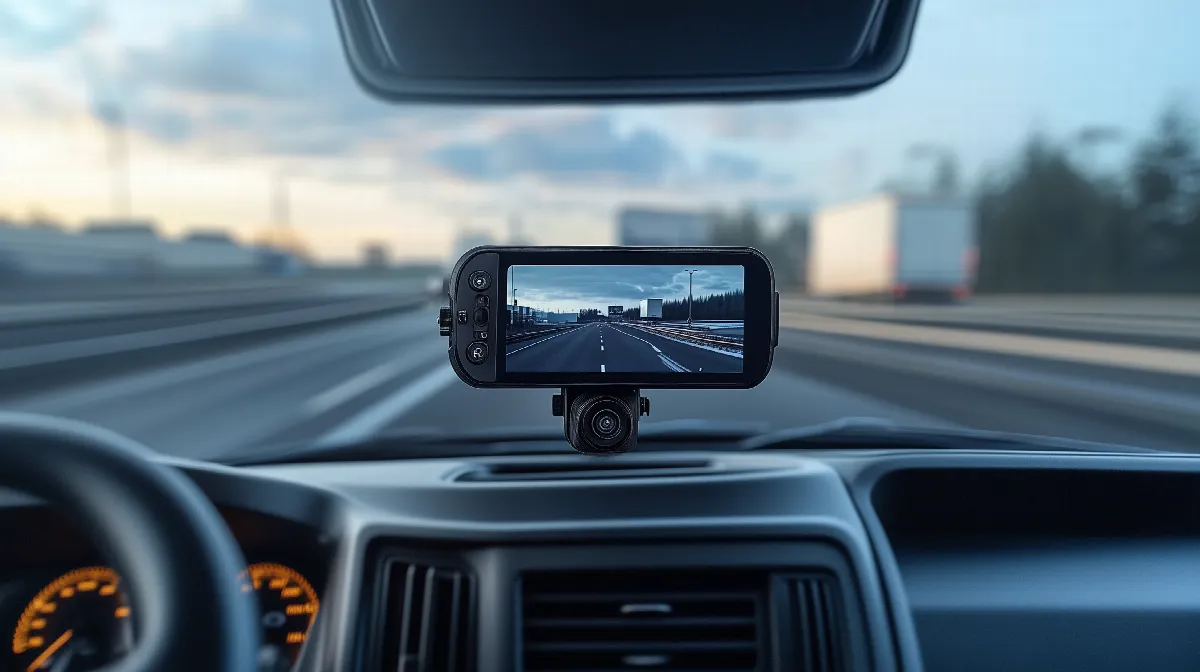
A dash cam, short for ‘dashboard camera’, is a device that records the view from your vehicle’s windscreen. These cameras are used for various purposes:
- Documenting road trips
- Recording evidence in case of accidents
- Capturing unexpected incidents on the road
Dash cams come in different configurations:
- Single-channel: Records the front view only
- Dual-channel: Records both front and rear views
- Three-channel: Records front, rear, and interior views
Are dash cams legal in the UAE?
The short answer is yes, but with caveats. UAE police authorities have clarified that while installing a dash cam is not illegal, users must be aware of privacy laws.
Captain Suad Al Sheiba, director of traffic awareness branch at Sharjah Police Traffic and Patrol Department, has stated that dash cams can be helpful in cases where a motorist deliberately causes a crash.
Key legal considerations
- Privacy laws: It’s crucial to respect others’ privacy when using a dash cam.
- Sharing footage: Posting dash cam videos or images online without permission can lead to severe penalties.
- Proper use: Footage should only be shared with police through official channels like ‘We are all police’ or the Al Ameen service.
Potential penalties for misuse
Under UAE law, violating privacy through the use of technology can result in:
- Imprisonment for at least six months
- Fines ranging from AED 150,000 to AED 500,000
These penalties are outlined in Article 44 of the Federal Cybercrimes Law (Federal Decree Law No. 34 of 2021).
Specific actions that can lead to penalties:
- Recording or sharing private conversations or audio/video materials without consent
- Taking or sharing photos of others in public or private places without permission
- Spreading information or images, even if true, with the intent to harm someone
- Sharing images of accident victims without consent
- Tracking or disclosing someone’s location data
Best practices for dash cam use in the UAE
- Install your dash cam discreetly and ensure it doesn’t obstruct your view
- Inform passengers that you have a dash cam installed
- Never post footage online without explicit permission from all parties involved
- Use footage only for its intended purpose (e.g., providing evidence to authorities in case of an incident)
- Be aware of your surroundings and respect others’ privacy when your dash cam is recording
By following these guidelines, motorists can enjoy the benefits of dash cams while staying within the bounds of UAE law. Remember, the primary purpose of a dash cam is for your safety and protection on the road, not for creating content for social media or public sharing.
The UAE week, every Monday
The week's stories on jobs, visas, money and daily life in one short email. Unsubscribe in one click.