Dubai Property Sales Hit Record AED 141.9B in Q3 2024: Market Insights
Discover Dubai’s booming real estate market with Q3 2024 sales reaching AED 141.9B. Explore key trends, top areas, and expert insights on this record-breaking quarter.
By Vadim Kouznetsov, published
Dubai’s real estate sector has achieved unprecedented success in the third quarter of 2024, setting new benchmarks and solidifying its position as a global investment hotspot. Let’s delve into the latest figures and trends shaping this thriving market.
Record-Breaking Sales and Transactions
The Dubai property market has reached new heights, with Q3 2024 sales totalling a staggering AED 141.9 billion. This figure represents a significant 30.1% increase compared to the same period last year, surpassing the previous record of AED 124.07 billion set in Q2 2024.
Transaction volume has also seen a remarkable uptick, with 50,423 sales recorded in Q3. This marks a 37.9% rise from Q3 2023 and a 16.6% increase from the preceding quarter.
Apartment Dominance and Villa Growth
Apartments continue to lead the market, accounting for 77% of total Q3 transactions:
- 39,058 apartment sales
- Total value: AED 70.5 billion
- 43.9% volume increase year-on-year
The villa segment has also shown impressive growth:
- 8,156 villa sales
- Total value: AED 39.2 billion
- 16.6% volume increase from Q3 2023
- 18.4% rise from the previous quarter
Rising Property Values
The median price per square foot in Dubai has continued its upward trajectory:
- Q3 2024: AED 1,511
- Q3 2023: AED 1,405
This increase reflects the ongoing appreciation of Dubai’s real estate assets.


Land and Commercial Sales Boom
The land market has experienced significant growth:
- 2,102 plots sold
- Total value: AED 29.9 billion
- 45.9% increase in volume from Q3 2023
Commercial real estate has also seen positive momentum:
- 1,112 sales
- Total value: AED 2.3 billion
- 12.1% increase in volume year-on-year
Five-Year Market Evolution
Dubai’s property market has shown remarkable growth over the past five years:
- Q3 2020: AED 18.1 billion (8,600 transactions)
- Q3 2024: AED 141.9 billion (50,423 transactions)
This trajectory underscores the market’s resilience and consistent expansion.
Top-Performing Areas
- Jumeirah Village Circle: 4,467 transactions (AED 5.33 billion)
- Dubai South
- Business Bay
- Wadi Al Safa 5
- Dubai Hills Estate
Luxury Market Highlight
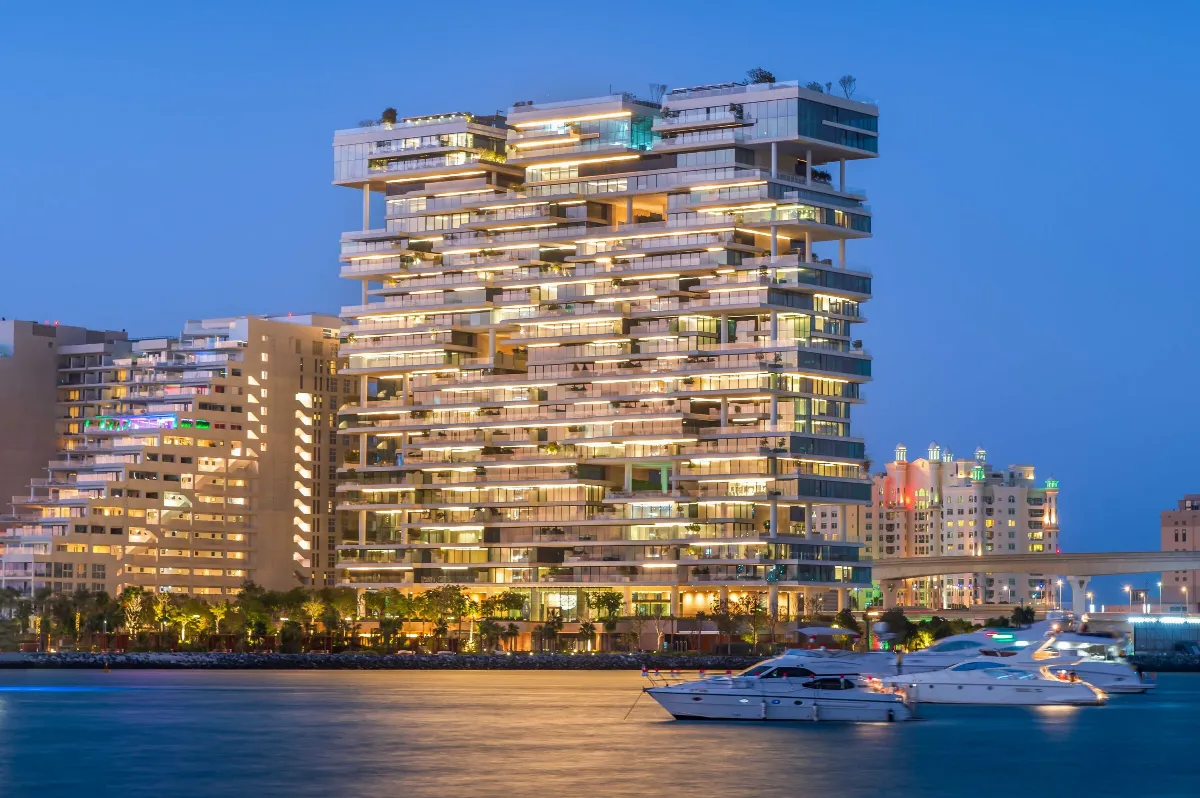
The quarter’s most expensive property sale was a luxury apartment in One at Palm Jumeirah, fetching an impressive AED 275 million.
Price Range Distribution
The market demonstrates a diverse range of property values:
- 31% of sales: AED 1-2 million
- 29% of sales: Below AED 1 million
- 18% of sales: AED 2-3 million
- 14% of sales: AED 3-5 million
- 8% of sales: Above AED 5 million
Developer Sales vs Secondary Market
First sales from developers dominated the market:
- 68% of transactions by volume
- 63% of transactions by value
This trend highlights the ongoing demand for new developments in Dubai.
Looking Ahead
As Dubai’s property market continues to break records and attract global attention, investors and homebuyers alike are taking notice of the emirate’s robust real estate sector. With its diverse offerings, from affordable apartments to ultra-luxury villas, Dubai remains a top choice for those seeking property investment opportunities in 2024 and beyond.
The consistent growth, increasing property values, and diverse range of options available make Dubai an attractive proposition for both local and international investors. As the market evolves, it will be fascinating to see how these trends develop and what new opportunities emerge in this dynamic real estate landscape.
Market Insights: Factors Driving Dubai’s Real Estate Boom
- Economic Diversification: Dubai’s ongoing efforts to diversify its economy beyond oil have created new job opportunities and attracted foreign talent, driving demand for housing.
- Expo 2020 Legacy: The successful hosting of Expo 2020 Dubai (held in 2021-2022 due to the pandemic) continues to have a positive impact on the real estate market, with many of the developed areas now being repurposed for residential and commercial use.
- Government Initiatives: Favourable policies such as long-term visas for investors and retirees, as well as reforms in property ownership laws, have made Dubai more attractive to international buyers.
- Infrastructure Development: Ongoing improvements in transportation, healthcare, and education facilities have enhanced the city’s liveability, making it more appealing to long-term residents and investors.
- Global Economic Uncertainty: Dubai’s stability and strong economic fundamentals have made it a safe haven for investors looking to protect their wealth in uncertain global economic conditions.
- Tourism Growth: The rebound in tourism post-pandemic has boosted the short-term rental market, making property investment even more attractive for those looking to generate rental income.
- Technological Advancements: The adoption of PropTech (Property Technology) has streamlined property transactions and management, making it easier for both local and international investors to participate in the market.
Emerging Trends to Watch
- Sustainable Development: There’s a growing focus on eco-friendly and sustainable properties, with developers incorporating green technologies and energy-efficient designs.
- Smart Homes: The demand for properties with integrated smart home technologies is on the rise, particularly among younger buyers and tech-savvy investors.
- Co-living Spaces: As remote work becomes more prevalent, there’s an increasing interest in co-living spaces that offer flexibility and community living.
- Branded Residences: Luxury branded residences continue to gain popularity, offering a blend of high-end living and hotel-like amenities.
- Off-plan Purchases: The strong performance of off-plan sales suggests continued confidence in Dubai’s future property market.
Potential Challenges and Considerations
While the Dubai real estate market is experiencing a remarkable boom, it’s important for investors and stakeholders to consider potential challenges:
- Market Cyclicity: Real estate markets are cyclical by nature, and Dubai’s rapid growth may lead to concerns about sustainability in the long term.
- Global Economic Factors: Changes in global economic conditions, including interest rates and geopolitical events, could impact foreign investment in Dubai’s property market.
- Supply and Demand Balance: Careful monitoring of supply and demand dynamics is crucial to prevent oversupply in certain segments of the market.
- Regulatory Changes: Any future changes in property laws or regulations could affect market dynamics and investor sentiment.
- Environmental Concerns: As sustainability becomes increasingly important, properties that don’t meet evolving environmental standards may face challenges in the future.
Conclusion: A Promising Future with Prudent Optimism
Dubai’s real estate market in Q3 2024 has demonstrated remarkable resilience and growth, setting new records and attracting global attention. The diverse range of properties, from affordable options to ultra-luxury developments, caters to a wide spectrum of investors and homebuyers.
As the market continues to evolve, it presents exciting opportunities for those looking to invest in one of the world’s most dynamic cities. However, as with any investment, it’s crucial to approach the market with careful consideration of both its potential and its challenges.
For those considering entering the Dubai property market, thorough research, professional advice, and a long-term perspective are key. With its strong fundamentals, ongoing development, and forward-thinking initiatives, Dubai’s real estate sector looks set to remain a compelling proposition for investors in the years to come.
As we move forward, all eyes will be on Dubai to see how it navigates the complexities of sustaining this growth while maintaining a balanced and attractive market for both local and international stakeholders.
The UAE week, every Monday
The week's stories on jobs, visas, money and daily life in one short email. Unsubscribe in one click.