UAE Alert: Avoid Falling for the Latest Electricity Bill Refund Scam
Learn how to spot and protect yourself from a new phishing scam targeting UAE residents with fake electricity bill refunds. Stay safe online with our expert tips.
By Vadim Kouznetsov, published
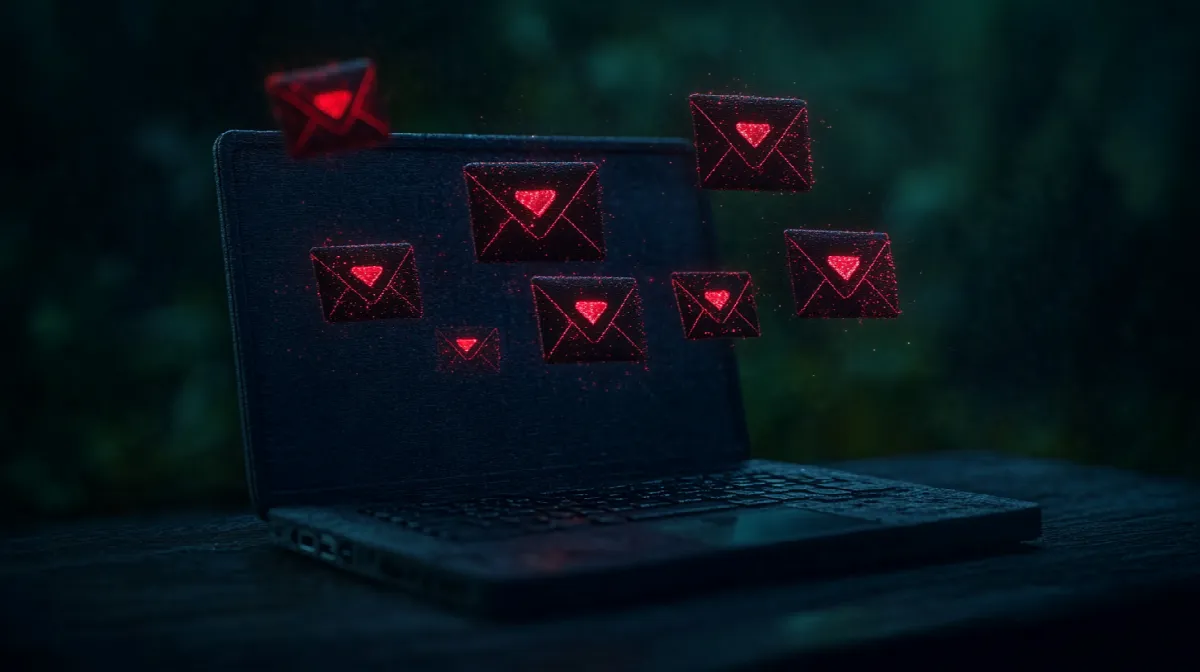
In an era where digital convenience intersects with cyber threats, UAE residents need to stay vigilant. A new scam has emerged, promising refunds on electricity bills. This article will guide you through the red flags to watch out for and provide essential tips to keep your personal and financial information secure.
The Anatomy of the Scam
Imagine opening your inbox to find an email with the subject line “Accepting refund of bill.” At first glance, it appears to be from your utility service provider. The email’s design mimics official communications, complete with logos, familiar color schemes, and fonts you’re accustomed to seeing.
The message apologizes for an accidental overcharge and urges you to accept a refund for the excess amount. However, instead of automatically processing the refund as is typical in the UAE’s digitized systems, the email prompts you to click on a link labeled “accept online.”
This is where the danger lies.
Red Flags to Watch For
- Unusual Sender Address: While the display name may look official, tapping on it reveals a domain name registered in a different part of the world.
- Requests for Immediate Action: Legitimate organizations rarely pressure you to act immediately.
- Suspicious Links: Hovering over links without clicking can reveal their true destination.
- Generic Greetings: Official communications typically address you by name.
- Poor Grammar or Spelling: Official emails are usually well-written and error-free.
Protecting Yourself from Phishing Attempts
1. Verify the Sender
Always double-check the sender’s email address. Look for subtle misspellings or unusual domain names.
2. Be Cautious of Unsolicited Refunds
If you’re not expecting a refund, be skeptical of any message claiming to offer one.
3. Don’t Click on Links
Instead of clicking links in emails, navigate to the official website directly through your browser.
4. Use Official Channels
For any account-related actions, log in to your account through the official website or app.
5. Enable Two-Factor Authentication
This adds an extra layer of security to your accounts.
6. Keep Software Updated
Regularly update your devices and applications to protect against known vulnerabilities.
7. Educate Yourself and Others
Stay informed about the latest scams and share this knowledge with friends and family.
Government Initiatives to Combat Phishing
UAE government entities are taking proactive steps to protect residents:
- The Dubai Electricity and Water Authority (DEWA) has launched awareness campaigns about phishing scams.
- The Telecommunications and Digital Government Regulatory Authority (TDRA) regularly issues warnings and tips to stay safe online.
- The Dubai Electronic Security Centre (DESC) has developed a web extension to help detect phishing attempts.
What to Do If You’ve Been Scammed
If you suspect you’ve fallen victim to a phishing scam:
- Change your passwords immediately.
- Contact your bank or credit card company if you’ve shared financial information.
- Report the incident to the relevant authorities.
- Monitor your accounts for any suspicious activity.
Conclusion
As scammers become more sophisticated, it’s crucial to remain alert and skeptical of unsolicited communications. By following the tips outlined in this article and staying informed about the latest scams, you can significantly reduce your risk of falling victim to phishing attempts.
Remember, legitimate organizations will never ask you to share sensitive information via email or unsecured websites. When in doubt, always verify through official channels. Stay safe, stay informed, and protect your digital identity.
The UAE week, every Monday
The week's stories on jobs, visas, money and daily life in one short email. Unsubscribe in one click.