AI’s Future: Insights from Tech Leaders on Opportunities and Challenges
Explore AI’s impact on society with insights from Sam Altman, Bill Gates, and FBI Director Wray. Learn about deepfakes, disinformation, and AI in healthcare and education.
By Vadim Kouznetsov, published
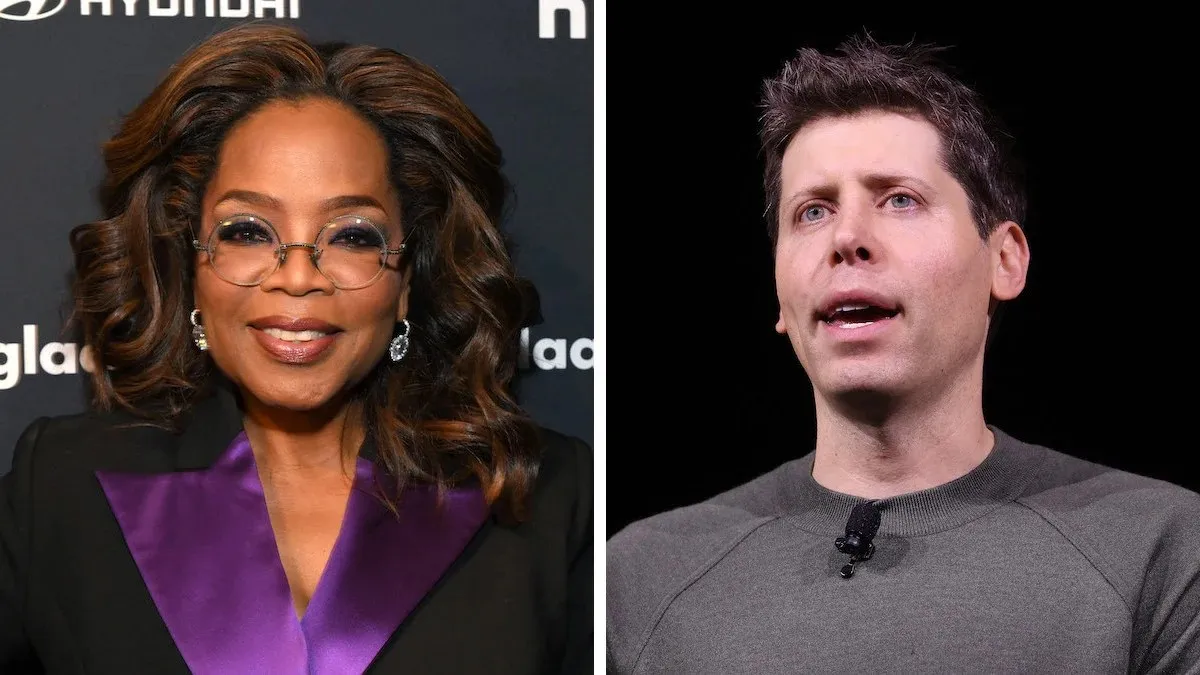
In a recent special titled “AI and the Future of Us,” Oprah Winfrey explored the rapidly evolving landscape of artificial intelligence with industry leaders and experts. The program featured conversations with OpenAI CEO Sam Altman, tech influencer Marques Brownlee, FBI Director Christopher Wray, and Microsoft founder Bill Gates, offering a comprehensive look at AI’s potential benefits and risks.
The AI Revolution: Promises and Pitfalls
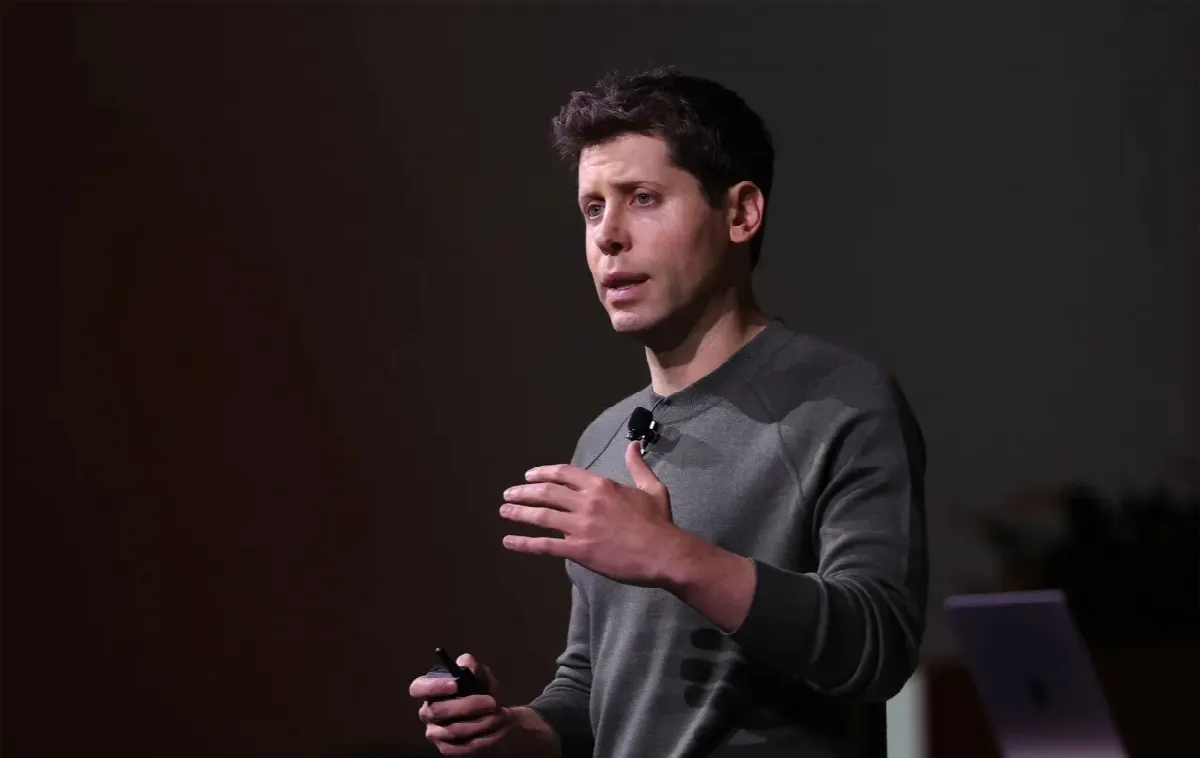
Sam Altman, at the forefront of AI development, discussed the current capabilities of AI systems like ChatGPT and OpenAI’s latest offering, o1. While Altman’s claims about AI’s ability to learn concepts were met with skepticism from some experts, he emphasized the critical need for safety testing and regulation in AI development.
“One of the first things we need to do is to get the government to start figuring out how to do safety testing of these systems, like we do for aircraft or new medicines,”
Altman stated, highlighting the frequency of his discussions with government officials on this matter.
Deepfakes and Digital Deception

The special delved into the concerning rise of deepfake technology. Marques Brownlee demonstrated the rapid advancement in AI-generated video quality, comparing older systems to OpenAI’s Sora. This showcase led to a discussion with FBI Director Christopher Wray about the increasing threat of AI-aided crimes, particularly sextortion targeting teenagers.
Wray shared a personal anecdote about his first encounter with deepfake technology: “They had created a video of me saying things I had never said before and would never say.” He went on to discuss the alarming 178% increase in sextortion cases between 2022 and 2023, partly driven by AI technology.
Disinformation and Election Integrity
The conversation shifted to the looming threat of AI-powered disinformation in the upcoming U.S. presidential election. Wray cautioned about the sophistication of foreign actors using AI to create convincing false identities on social media platforms.
“We’re finding all too often that something on social media that looks like Bill from Topeka or Mary from Dayton is actually some Russian or Chinese intelligence officer on the outskirts of Beijing or Moscow,” Wray warned.
Recent statistics support this concern, with a Statista poll revealing that over a third of U.S. respondents encountered suspected misinformation about key topics in late 2023.
AI in Healthcare and Education
Bill Gates offered a more optimistic perspective on AI’s potential, particularly in healthcare and education. He envisioned AI as a valuable tool in medical appointments, enhancing doctor-patient interactions and improving record-keeping.
“AI is like a third person sitting in [a medical appointment,] doing a transcript, suggesting a prescription,” Gates explained. “Instead of the doctor facing a computer screen, they’re engaging with you, and the software is making sure there’s a really good transcript.”
However, it’s important to note that AI systems can perpetuate biases if not carefully developed and implemented. Recent studies have shown disparities in speech recognition accuracy between different demographic groups, highlighting the need for inclusive AI development practices.
In education, Gates proposed AI as a personalized learning assistant, “always available” and able to “understand how to motivate you … whatever your level of knowledge is.” This vision, however, contrasts with the cautious approach many educational institutions have taken towards AI integration.
Navigating the AI Landscape
As AI continues to reshape various aspects of our lives, it’s crucial to approach its development and implementation with both enthusiasm and caution. Oprah summed up the situation aptly:
“AI is still beyond our control and to a great extent…our understanding. But it is here, and we’re going to be living with technology that can be our ally as well as our rival … We are this planet’s most adaptable creatures. We will adapt again. But keep your eyes on what’s real. The stakes could not be higher.”
As we move forward, it’s essential to foster open dialogues about AI’s impact, promote responsible development practices, and work towards regulations that protect individuals while allowing for innovation. The future of AI is being written now, and it’s up to all of us to help shape it responsibly.
The UAE week, every Monday
The week's stories on jobs, visas, money and daily life in one short email. Unsubscribe in one click.