Emirates Cancels Nairobi Flights: Airport Workers Protest Adani Takeover
Emirates halts flights to Nairobi as airport workers strike against Adani Group’s proposed 30-year lease of JKIA. Learn about the impact and alternatives.
By Vadim Kouznetsov, published
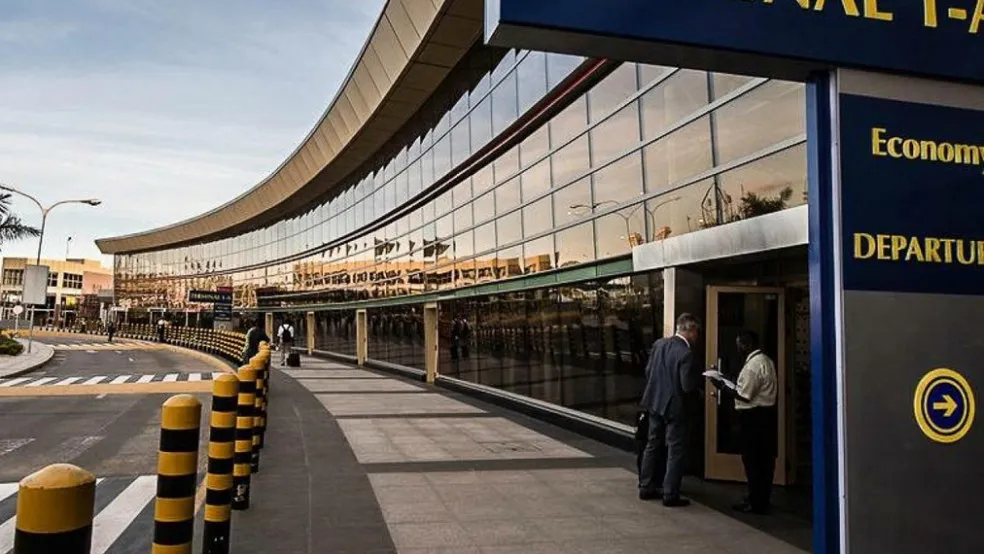
In a significant development affecting air travel between Dubai and Kenya, Emirates Airlines has been forced to cancel multiple flights to and from Nairobi’s Jomo Kenyatta International Airport (JKIA). This disruption comes in the wake of widespread protests by airport workers, who are voicing their opposition to a proposed takeover of the airport by India’s Adani Group.
The Situation Unfolds
On September 11, 2024, Emirates announced the cancellation of four flights: EK719, EK720, EK721, and EK722. These cancellations have left numerous passengers stranded and disrupted travel plans for many. The airline has taken the precautionary step of not accepting passengers on connecting flights to Nairobi at their points of origin until further notice.
An Emirates spokesperson stated, “We are closely monitoring the situation and regret the inconvenience caused to our customers.” This move underscores the severity of the disruption and its impact on international air travel.
The Root of the Protest
At the heart of this industrial action is a controversial plan to lease JKIA to India’s Adani Group for a 30-year period. In exchange, the Adani Group has proposed a substantial investment of $1.85 billion. However, this deal has met with strong resistance from airport workers and various stakeholders in Kenya’s aviation sector.
The airport workers union has taken a firm stance, declaring that the strike will continue until the Kenyan government abandons the proposed leasing plan. This ultimatum has effectively brought operations at JKIA to a standstill, affecting not just Emirates but potentially other airlines operating in and out of Nairobi.
Legal Challenges to the Deal
Adding another layer of complexity to the situation, the Kenyan High Court has stepped in, suspending the implementation of the deal between the government and Adani Airport Holdings Ltd. This court order prohibits any further action on the agreement until additional rulings are made, effectively putting the entire process on hold.
This legal intervention suggests that the controversy surrounding the proposed takeover extends beyond labor concerns and touches on broader issues of national interest and the future of Kenya’s primary international gateway.
Impact on Air Travel and Partnerships
The cancellation of Emirates flights is particularly significant given the airline’s recent efforts to strengthen its presence in the East African market. In 2023, Emirates signed an interline agreement with Kenya Airways, positioning Nairobi as a crucial gateway to various destinations in the region.
This disruption not only affects direct Dubai-Nairobi routes but also has potential ripple effects on connecting flights and broader travel patterns in East Africa. Passengers planning to travel through Nairobi are advised to check with their airlines for the latest updates and potential alternative arrangements.
Other Airlines’ Responses
While Emirates has been forced to cancel flights, other carriers are closely watching the situation. Notably, Etihad Airways, another major UAE carrier, had announced plans to resume flights to Nairobi starting December 15, 2024. It remains to be seen how these plans might be affected if the current situation persists.
Looking Ahead
As the standoff continues, several key questions emerge:
- How long will the strike last, and what will be the long-term impact on air travel to and from Kenya?
- Will the Kenyan government reconsider its plans for JKIA in light of the strong opposition?
- How might this situation affect Kenya’s position as a regional air travel hub?
- What alternatives are being considered for passengers affected by the cancellations?
These uncertainties highlight the complex interplay between government policy, labor relations, and international business interests in the aviation sector.
Advice for Travelers
Given the fluid nature of the situation, travelers with plans involving Nairobi’s JKIA are advised to:
- Regularly check for updates from their airlines
- Consider alternative travel arrangements if possible
- Stay informed about the ongoing situation through reliable news sources
- Be prepared for potential delays or changes to travel itineraries
As this situation unfolds, it serves as a reminder of the interconnected nature of global air travel and the significant impact that local events can have on international transportation networks. The resolution of this dispute will be closely watched by airlines, travelers, and industry observers alike, as it could set important precedents for airport management and labor relations in the region.
Stay tuned to JobXDubai for further updates on this developing story and its implications for air travel between the UAE and East Africa.
The UAE week, every Monday
The week's stories on jobs, visas, money and daily life in one short email. Unsubscribe in one click.