IGCF 2024: Deepfakes’ $10 Trillion Threat and Government Responses
Discover how experts at IGCF 2024 address the $10 trillion deepfake threat, proposing government strategies for AI regulation and digital safety education.
By Vadim Kouznetsov, published
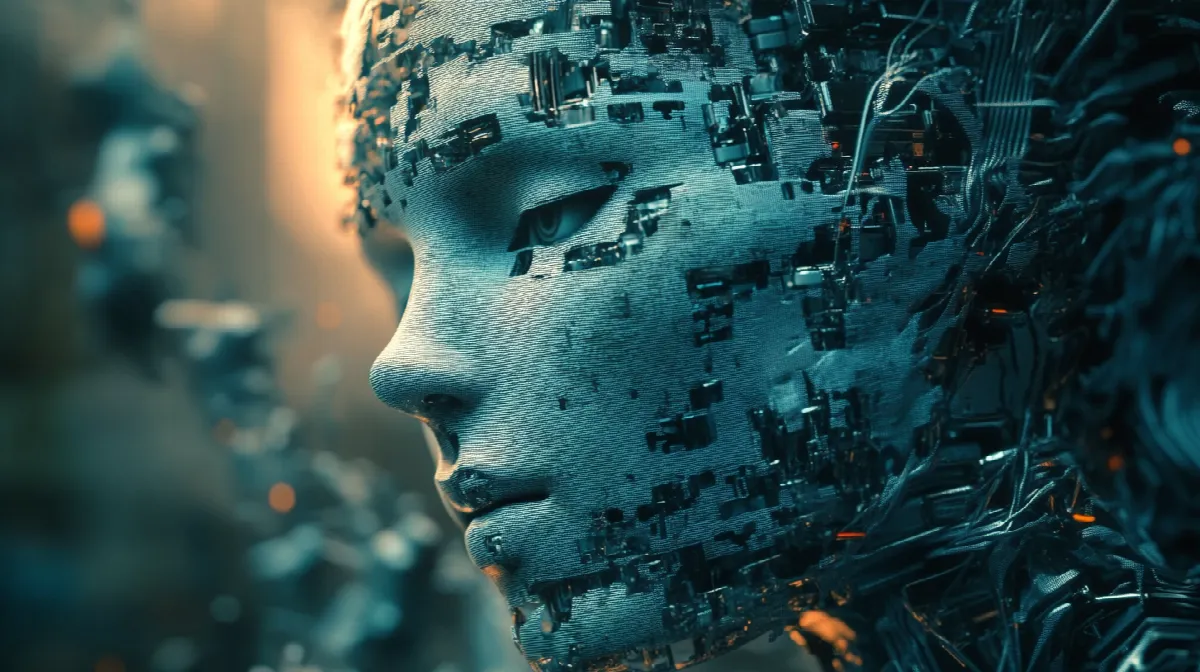
In an era where digital information shapes our reality, a new threat looms large: deepfakes. These AI-generated or edited images, videos, and audio files are set to cost the world over $10 trillion by 2025, according to recent reports. This staggering figure underscores the urgent need for action, as discussed at the 13th International Government Communication Forum (IGCF 2024) in Sharjah.
The Deepfake Dilemma: A Multi-Trillion Dollar Challenge
The rise of deepfakes presents a complex challenge for societies worldwide:
- Economic Impact: The projected $10 trillion cost by 2025 highlights the massive financial implications of this technology.
- Institutional Challenges: Hospitals, governments, and other critical institutions face significant risks from deepfake-related threats.
- Erosion of Trust: Deepfakes are undermining public confidence in the authenticity of digital content, potentially destabilizing social and political structures.
Insights from IGCF 2024: Experts Weigh In
At IGCF 2024, a panel of experts delved into the topic “Why Resilient Governments are Building Protective Shields with Artificial Intelligence.” Key participants included:
- Hector Monsegur, founder of a cybersecurity startup
- Nader Al Gazal, academic and expert on AI and Digital Transformation
- Alan Smithson, Co-Founder of Metaverse (Facebook)
- Dr Inhyok Cha, Professor at Gwangju Institute for Science and Technology
These thought leaders offered valuable insights into the challenges and potential solutions surrounding deepfakes.
The Paradox of Technology: Power and Peril
Alan Smithson highlighted the dual nature of deepfake technology:
“The paradox of technology is that it is neither good nor bad. It is how you use it. Just because we can create a tool doesn’t mean that it should be used for nefarious purposes. Governments are responsible for ensuring that we use this technology for good.”
This perspective underscores the need for responsible development and regulation of AI technologies.
Storytelling in the Digital Age: A Double-Edged Sword
Dr. Inhyok Cha emphasized the human aspect of deepfakes:
“Every individual wants to create stories and want them to be heard, have an influence and be believable. Technology like deepfakes enable this and because of its accessibility. It allows millions of people to create their own stories in ways that have never been done before. This is where the question of ethics comes into play.”
This observation highlights the tension between creative expression and potential misuse of deepfake technology.
The Ripple Effects of Deepfakes
The panel identified several critical risks associated with deepfakes:
- Loss of trust in media and legitimate news sources
- Degradation of public trust in government institutions
- Potential manipulation of democratic processes, including elections
- Threats to personal privacy and reputation
Technological Solutions and Challenges
While AI presents risks, it may also offer solutions:
- Nader Al Gazal suggested leveraging AI and virtual assistants to help regulate deepfakes.
- Hector Monsegur highlighted the current lack of real-time deepfake detection tools, emphasizing the need for proactive measures.
Protecting the Vulnerable: A Government Imperative
Dr. Cha stressed the importance of protecting all citizens, not just national leaders:
“One of the biggest problems of deepfakes is the use of this technology for sexually nefarious purposes. From a government point of view, every time a new technology emerges, they have the task of educating people that with great freedom comes great responsibility.”
This approach emphasizes the need for comprehensive protection strategies that address various forms of deepfake abuse.
Global Regulatory Efforts
Governments worldwide are beginning to take action:
- The US, EU, and China have started to regulate AI.
- California has approved legislation to ban deepfakes related to elections and protect workers.
- The US is working on the Defending Democracy from Deepfake Deception Act.
The Path Forward: Education and Awareness
Alan Smithson concluded with a call to action:
“An educated public is a powerful force for good. Governments must ensure that mandatory digital safety programs, like workplace safety, are taught in schools and offices.”
This emphasis on education underscores the critical role of public awareness in combating the deepfake threat.
Conclusion: A Collective Responsibility
As deepfakes continue to evolve, the responsibility for mitigating their risks falls on multiple stakeholders:
- Governments: Develop regulations and promote digital literacy
- Tech Companies: Invest in detection technologies and responsible AI development
- Educational Institutions: Integrate digital safety into curricula
- Individuals: Stay informed and critical of digital content
By working together, we can harness the creative potential of AI while safeguarding our societies against its misuse. The $10 trillion threat of deepfakes is not just a technological challenge—it’s a call for global cooperation in the digital age.
The UAE week, every Monday
The week's stories on jobs, visas, money and daily life in one short email. Unsubscribe in one click.