
In the bustling hospitality sector of the United Arab Emirates, a quiet revolution is taking place. Hotels across the country are implementing innovative strategies to combat food waste, resulting in significant cost savings and environmental benefits. This shift towards sustainable practices is not only improving their bottom line but also aligning with the UAE’s broader vision for a greener future.
The Scale of the Problem
Every day, hotels and restaurants in the UAE serve thousands of meals, often through open buffet systems. These setups, while popular among guests, have traditionally been associated with high levels of food waste. The challenge lies in balancing guest satisfaction with responsible resource management.
Innovative Solutions in Action
St. Regis Abu Dhabi: A Case Study in Efficiency
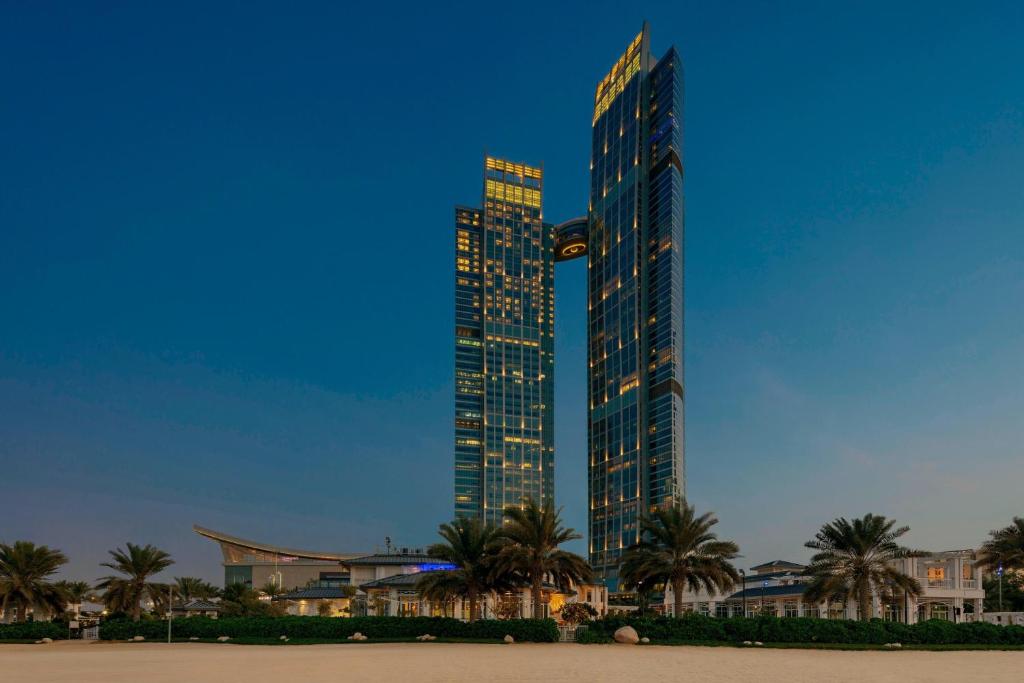
The St. Regis Abu Dhabi has emerged as a frontrunner in the fight against food waste. By implementing the Winnow system, a cutting-edge food waste management tool, they’ve achieved remarkable results:
- Savings of AED 480,620 in just six months
- Reduction of 25 tonnes of food waste
- Daily preparation of 1,000 meals with minimal waste
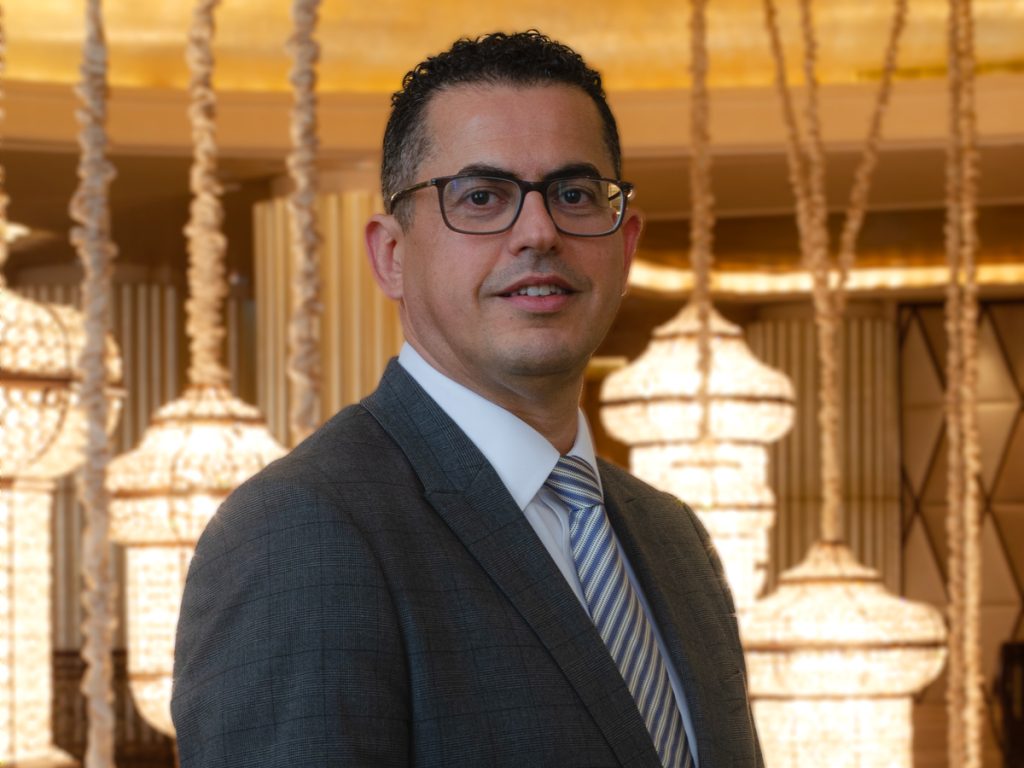
Karim Gharbi, General Manager at The St. Regis Abu Dhabi, emphasizes their commitment:
“We maintain our high standards with 75% of our food freshly prepared daily, ensuring quality while repurposing to reduce waste.”
Rotana: A Group-wide Approach
Rotana, managing 273 food and beverage outlets across 80 regional properties, has partnered with Chef’s Eye to optimize their food management. Their efforts have led to:
- 22% reduction in overall trim waste
- 15% reduction in food waste from buffet stations
- 63% reduction in food waste from plated meals
Scott Valentine, Corporate Director of F&B and Culinary at Rotana, explains: “Data from Chef’s Eye enables us to enhance our training programs effectively, leading to significant reductions in waste across our operations.”
Strategies for Success
- Technology Integration: Utilizing systems like Winnow and Chef’s Eye for precise measurement and analysis of food waste.
- Staff Training: Educating food handlers on recipe costing and waste reduction techniques.
- Partnerships: Collaborating with initiatives like ‘Stop Wasting Food’ and the National Food Loss and Waste Initiative (Ne’ma).
- Smart Buffet Design: Using smaller plates and serving spoons to encourage mindful portions.
- Food Donation Programs: Establishing partnerships with local charities to donate safe, high-quality surplus food.
The Role of Charities
The UAE Food Bank plays a crucial role in this ecosystem. By partnering with 113 hotels, they’ve achieved impressive results:
- Recycled over two million meals from landfills (2023-2024)
- Produced over 100 kilograms of organic fertilizer
- Conserved nearly 24,000 square feet of land
Their comprehensive approach includes:
- Precise classification of edible and inedible food
- Strict quality and safety protocols for collected food
- Partnerships with recycling companies to turn waste into compost
The Bigger Picture
These efforts align with the UAE’s broader sustainability goals. By reducing food waste, hotels are:
- Decreasing carbon emissions
- Conserving resources
- Supporting local communities through food donations
- Setting an example for other industries
Looking Ahead
As more hotels in the UAE adopt these practices, the potential for impact grows. The success stories of St. Regis Abu Dhabi and Rotana serve as blueprints for others in the industry. With continued innovation and commitment, the UAE’s hospitality sector is poised to become a global leader in sustainable food management.
Key Takeaways
- UAE hotels are saving millions of dirhams through food waste reduction.
- Technology plays a crucial role in measuring and managing food waste.
- Partnerships with charities and recycling companies create a circular economy for food.
- These efforts contribute significantly to the UAE’s sustainability goals.
- The hospitality industry is setting a new standard for responsible resource management.
By addressing food waste head-on, UAE hotels are not just saving money – they’re contributing to a more sustainable future for the country and setting an example for the global hospitality industry.



 JobXDubai
Leave a comment