UAE Schools Lead in Mobile Phone Policies: Balancing Tech and Learning in 2024
Discover how UAE schools are implementing innovative mobile phone policies to create focused learning environments while embracing educational technology.
By Vadim Kouznetsov, published
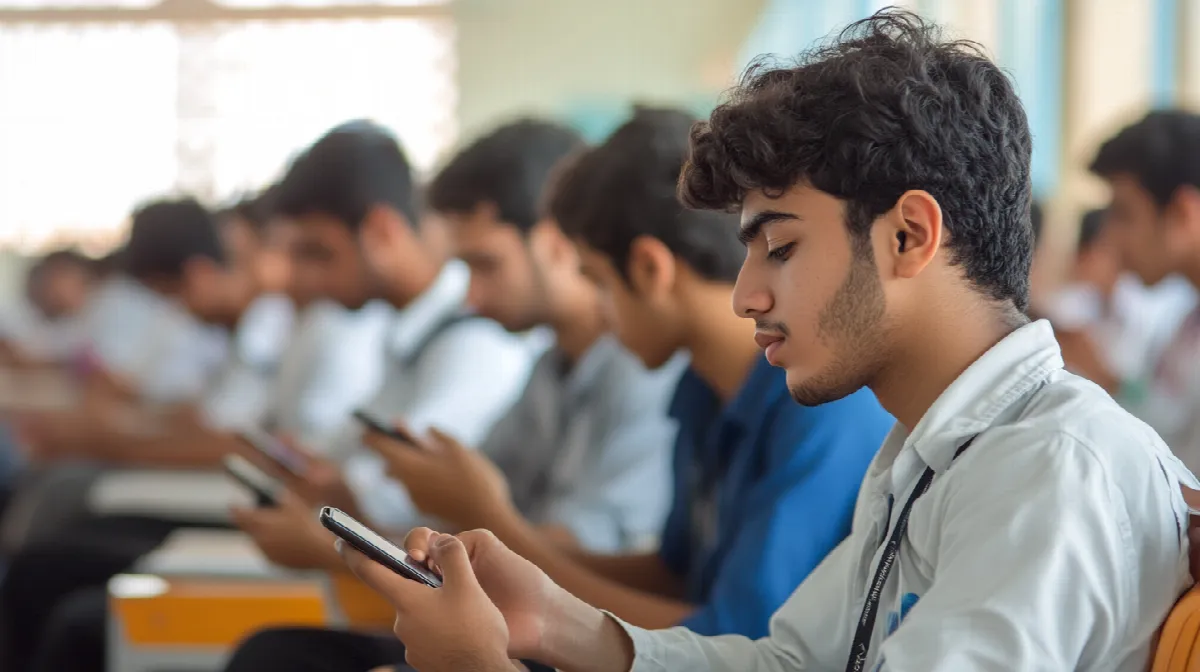
As the global debate on technology use in education intensifies, many UAE schools have been proactive in implementing policies to manage mobile phone usage. This approach aims to create focused learning environments while balancing the benefits of technology in education.
The Global Context
Recent headlines have highlighted the Netherlands’ nationwide ban on smart devices in primary and secondary schools. This move, echoing a similar policy enacted in England in February, labels these devices as distractions that impede academic performance and social interaction.
UAE Schools: Ahead of the Curve
While these international developments are making waves, numerous schools in the UAE, particularly in Dubai, have long-standing policies in place to address mobile phone use on campus.
American Academy for Girls, Dubai: A Graduated Approach
Lisa Johnson, Principal of the American Academy for Girls in Dubai, outlines their policy:
“We allow students to carry phones but prohibit their use in class without explicit teacher permission. Our graduated consequence system includes:
- Initial warning
- Confiscation of the phone
- Parental retrieval from the principal’s office for repeat offenses
This strategy helps maintain classroom focus and minimizes distractions.”
Credence High School: A No-Phone Zone
Some institutions, especially those following the Indian curriculum, have opted for stricter measures. Deepika Thapar Singh, CEO-Principal of Credence High School, states:
“We’ve implemented a no-mobile phone policy on campus. This approach encourages students to immerse themselves fully in their education. We’ve established alternative communication channels for parents to reach teachers, supervisors, or the school reception in case of emergencies.”
GEMS International School – Al Khail: Balancing Act
Simon Herbert, Head of School/CEO at GEMS International School – Al Khail, describes their nuanced approach:
“Secondary students can bring phones to school but must keep them in lockers or school bags during the day. This allows for after-school communication with parents if needed. We discourage phone use in primary school altogether.”
Innovative Solutions
Schools are getting creative in their approaches to technology use:
- Timed Tech Zones: Designated areas where students can use devices during breaks for limited periods.
- Exercise for Tech Time: Some schools are considering systems where students earn device time by engaging in physical activity.
- Network Filters: School networks employ strong filters to block access to social media and inappropriate content.
Beyond Phones: A Holistic Approach to Technology
UAE educators emphasize that their policies extend beyond just mobile phones. Laptops and tablets are viewed as tools to enhance learning, not ends in themselves.
Herbert explains, “Technology can significantly enhance lessons through various platforms and resources. However, educators must always provide justification for its use in the classroom. Well-planned integration is key.”
The Home-School Partnership
Rather than imposing blanket bans, many Dubai schools are fostering strong home-school partnerships. Regular sessions with parents discuss responsible technology use, creating a unified approach to digital literacy and device management.



Looking Ahead
As technology continues to evolve, UAE schools are demonstrating adaptability and foresight in their policies. By balancing the educational benefits of technology with the need for focused learning environments, these institutions are setting a precedent for effective device management in schools.
The ongoing dialogue between educators, parents, and students will be crucial in shaping policies that prepare students for a digital future while fostering essential interpersonal and academic skills.
The UAE week, every Monday
The week's stories on jobs, visas, money and daily life in one short email. Unsubscribe in one click.