E-Scooter Accidents in UAE: Insurance Coverage and Liability Explained
Discover who pays for damages in e-scooter and car accidents in the UAE. Learn about insurance coverage, liability, and the need for new policies in this comprehensive guide.
By Vadim Kouznetsov, published
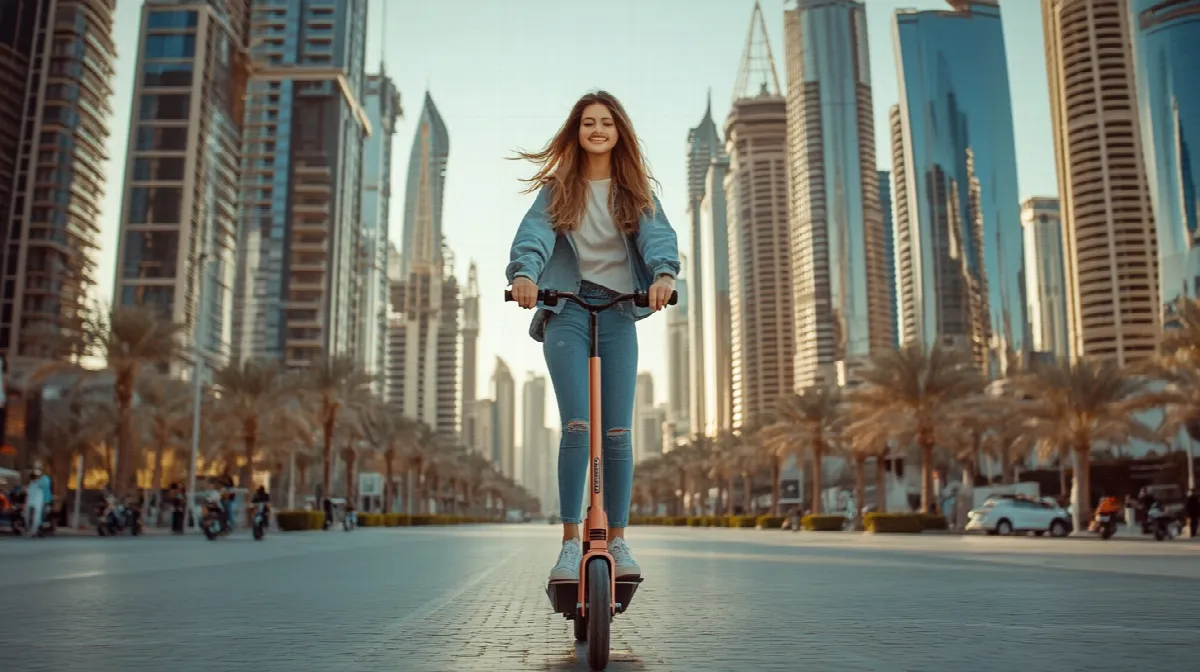
As e-scooters and mopeds gain popularity in the UAE, they’re becoming a growing concern for both motorists and pedestrians. With these vehicles often unregistered and uninsured, a critical question arises: Who bears the cost when an e-scooter collides with a car? Let’s dive into this pressing issue and explore the current landscape of e-scooter accidents and insurance in the UAE.
The Rise of E-Scooter Accidents in Dubai
Recent statistics paint a concerning picture:
- 4 fatalities and 25 injuries from e-scooter and bicycle accidents (January-June 2024)
- Over 7,800 traffic violations recorded
- 4,474 e-scooters and bicycles confiscated
- Approximately 43 daily traffic violations involving e-scooters or bicycles
These numbers highlight the urgent need for clear guidelines and insurance policies tailored to this new mode of transportation.




Liability Scenarios: Who Pays for Damages?
When the Car Driver is at Fault
According to Gautam Datta, CEO of Watania International Holding:
- With comprehensive motor insurance:
- The vehicle’s insurer covers damages to both the car and e-scooter rider.
- With third-party motor insurance:
- The vehicle’s insurer pays for e-scooter damages.
- The driver is responsible for their own car damages.
When the E-Scooter Rider is at Fault
- Car damages:
- The car driver’s insurance company compensates, regardless of policy type.
- The insurer may seek reimbursement from the e-scooter rider.
- E-scooter damages:
- Not covered by the car’s insurance.
- The e-scooter owner typically bears repair costs.
- E-scooter rider injuries:
- The vehicle owner/driver isn’t liable.
- The rider’s personal insurance (e.g., medical) may apply.
The Insurance Gap for E-Scooters
Currently, UAE insurers don’t offer specific policies for e-scooters and mopeds. However, experts agree that this needs to change:
- Anas Mistareehi, CEO of eSanad, emphasizes the need for insurers to develop non-traditional products meeting emerging market demands.
- Proactive policy creation could position insurers as leaders in adapting to societal changes.
- Gautam Datta notes that insurance companies are open to new products, pending comprehensive risk assessments.
The lack of licensing requirements for e-scooters contributes to low insurance penetration in this segment.
Moving Forward: Addressing the E-Scooter Challenge
As e-scooters and mopeds become more prevalent in urban areas, several steps are necessary:
- Develop tailored insurance policies: Create coverage specifically for e-scooters and modern mobility solutions.
- Enhance regulatory framework: Consider implementing licensing requirements for e-scooter riders.
- Increase awareness: Educate both e-scooter users and motorists about safety and liability issues.
- Improve infrastructure: Develop dedicated lanes and parking areas for e-scooters to reduce accidents.
Conclusion: Bridging the Gap in Urban Mobility Insurance
The rise of e-scooters in the UAE presents both opportunities and challenges. While they offer a convenient transportation option, the current lack of specific insurance coverage and clear regulations creates potential risks for all road users.
As the UAE continues to embrace innovative transportation solutions, it’s crucial for insurers, regulators, and users to work together in creating a safer, more secure environment for e-scooter usage. By addressing these challenges head-on, the UAE can set a global standard for integrating new mobility options into its urban landscape.
Stay informed about the latest developments in e-scooter regulations and insurance options to protect yourself and others on the road. As the landscape evolves, being prepared and aware will be key to navigating this new era of urban mobility safely and responsibly.
The UAE week, every Monday
The week's stories on jobs, visas, money and daily life in one short email. Unsubscribe in one click.