Dubai Rental Market 2024: New Buildings Offer Flexible Options for Tenants
Discover how Dubai’s rental market is evolving in 2024, with new buildings offering flexible rates and payment terms amidst rising overall rents.
By Vadim Kouznetsov, published
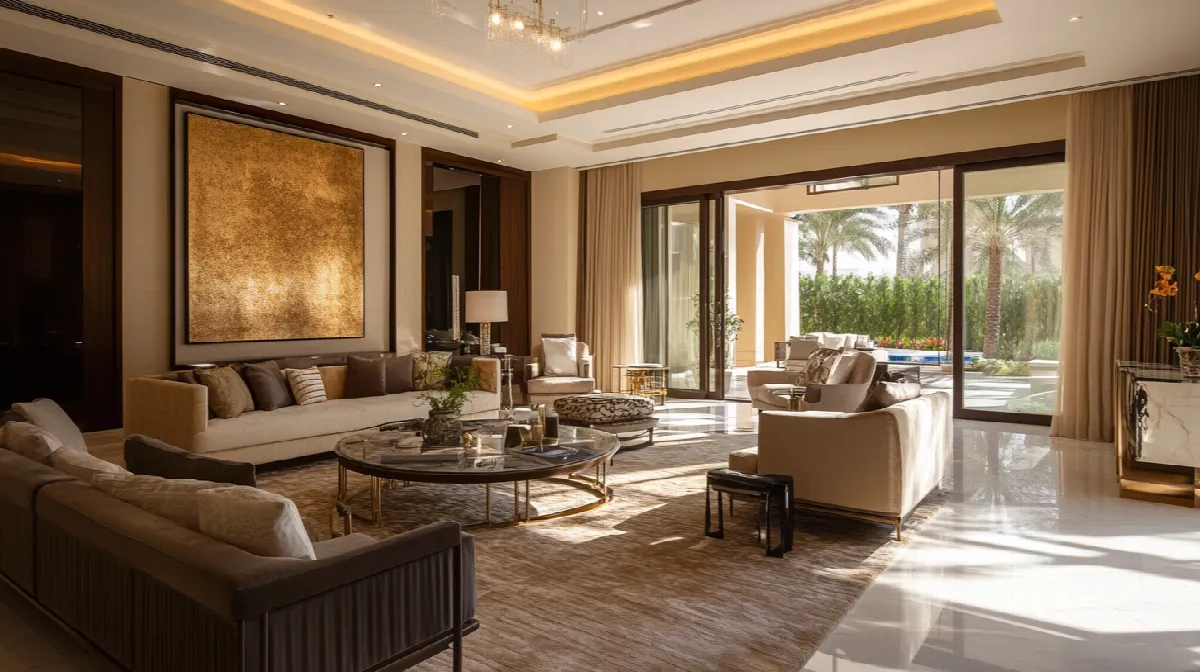
In 2024, Dubai’s residential rental market continues to evolve, offering new opportunities for tenants seeking affordable options. While overall rents remain high, a surprising trend has emerged: landlords of newer buildings are showing increased flexibility in both rental rates and payment terms.
New Buildings, New Opportunities
Recent data from the Dubai real estate market reveals an interesting shift. Property owners in newly constructed or soon-to-be-completed buildings are adopting a more accommodating approach to attract tenants. This flexibility extends to:
- More competitive rental rates: Prices that align more closely with tenants’ expectations.
- Multiple cheque options: Some landlords are open to payment plans beyond the traditional one to four cheques.
- Negotiable terms: Overall lease conditions may be more open to discussion.
Prathyusha Gurrapu, Director and Head of Research & Consultancy at Cushman & Wakefield, notes,
“New landlords in recently handed-over properties with lower occupancy levels may be more flexible in negotiating overall rental terms.”
Institutional Landlords Leading the Way
Large, established property management companies are at the forefront of this trend. Wasl, a Dubai government-owned entity, is setting an example by offering:
- Monthly payment options
- Acceptance of various payment methods (cheques and electronic transfers)
This approach has proven successful, with recent Wasl projects in both freehold and non-freehold areas experiencing rapid leasing.
Where to Look for Flexible Options
Tenants searching for more favorable rental terms should consider:
- Town Square
- Damac Akoya
- Other newly developed areas
Individual landlords in these locations are more likely to consider extended payment plans, such as 6-12 cheque options.
The Broader Market Picture
Despite these pockets of flexibility, Dubai’s overall rental market remains robust:
- Many areas continue to see significant year-on-year increases
- The updated RERA Rental Index (March 2024) allows for substantial rent hikes, up to 20% in some cases
- Affordable districts are experiencing the sharpest rises
Notable Increases:
- Discovery Gardens: 32% average increase
- Dubai Sports City: 28% year-on-year gain
- Dubailand: 24% rent increase on new leases
Gurrapu adds, “After the RERA Rental Index update, most districts have seen increases in the range of 8-15%. Despite this, we have seen a higher number of renewals compared to new leases.”
Signs of Stabilization?
While most of Dubai sees continued growth, some high-end areas show early signs of stabilization:
- Palm Jumeirah villas: 7% average decrease in new lease rates
- Overall villa rents: 13% year-on-year increase (compared to 22% for apartments)
However, certain villa communities still experience significant growth:
- Jumeirah Village Circle: 40% year-on-year increase
- Jumeirah Park: 22% increase
- The Springs and The Meadows: 14% increase each
Conclusion
For tenants navigating Dubai’s competitive rental market in 2024, focusing on newer developments may yield more favourable terms. While overall rents remain high, the willingness of some landlords to negotiate presents a valuable opportunity. As the market continues to adjust, staying informed about these trends can help renters find the best possible deals in this dynamic city.
The UAE week, every Monday
The week's stories on jobs, visas, money and daily life in one short email. Unsubscribe in one click.