Pakistan-UAE Flights: New Tax Hikes Airfares for Workers
Pakistan imposes new Rs5,000 tax on UAE-bound worker flights. Learn how this affects 1.7 million Pakistani expats and the busy UAE-Pakistan air corridor.
By Vadim Kouznetsov, published
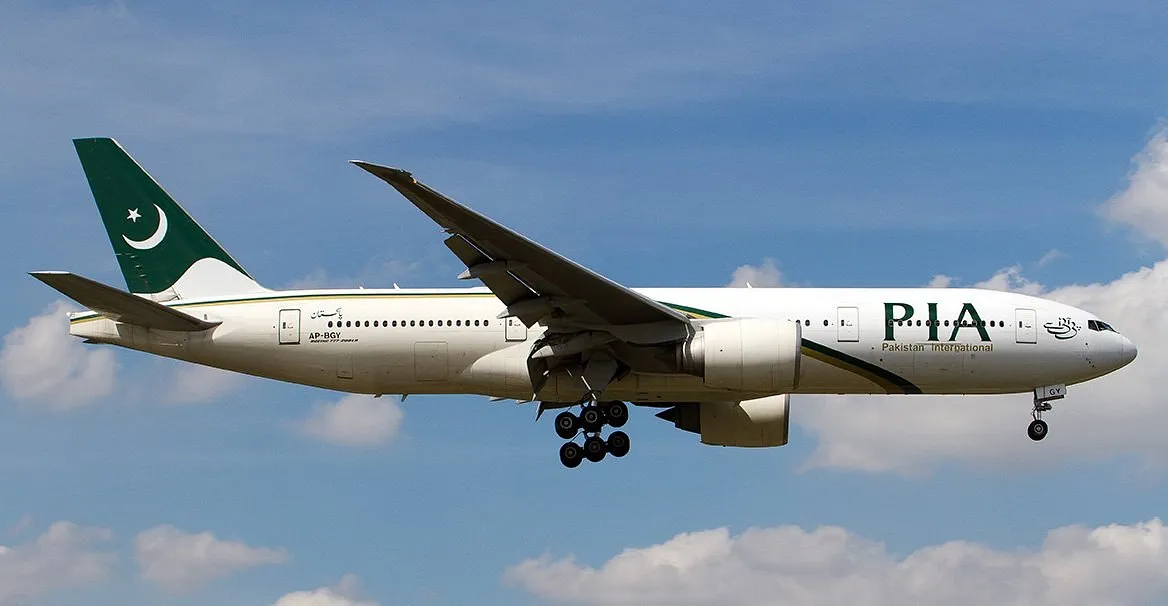
In a move that’s sending ripples through the South Asian expatriate community, Pakistan has introduced a new fixed federal excise duty on airfares for workers heading to the UAE and other Gulf Cooperation Council (GCC) countries. This development is set to have significant implications for the millions of Pakistanis who rely on employment opportunities in the Gulf region.
The New Tax: What You Need to Know
The Federal Board of Revenue of Pakistan has announced a fixed federal excise duty of Rs5,000 (approximately Dh66) on airfares for blue-collar workers flying to GCC countries, including the UAE. This new tax applies specifically to passengers holding labor visas that have been verified by the Protector of Emigrants (Bureau of Emigration and Overseas Employment).
Impact on the UAE-Pakistan Air Corridor
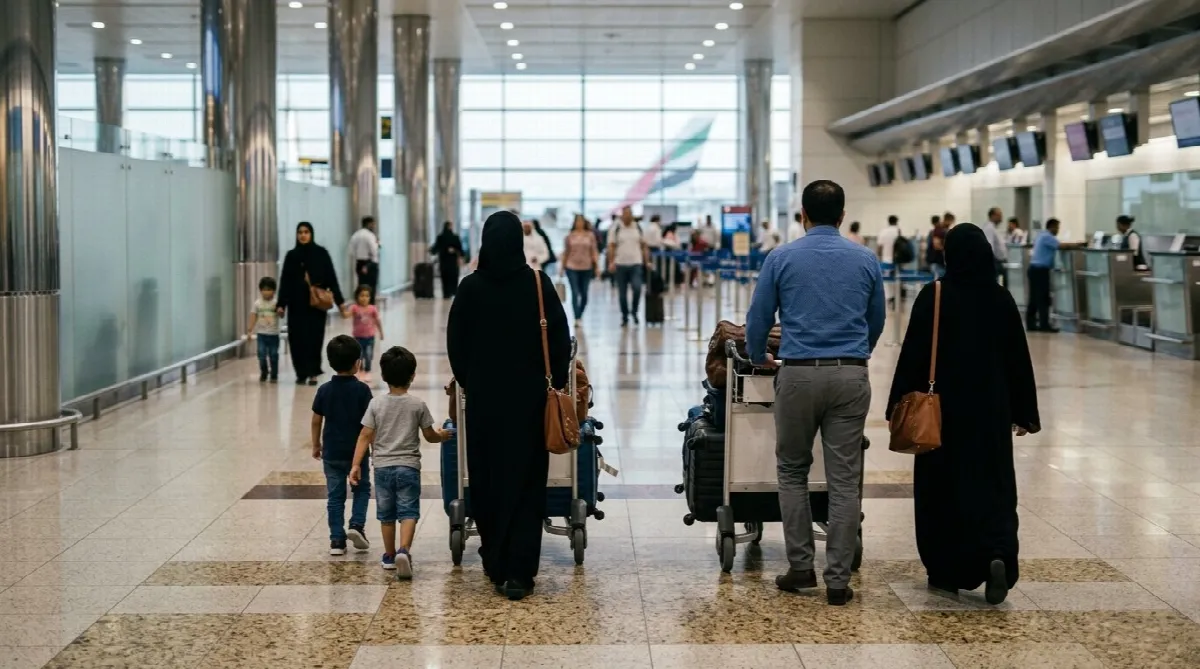
The UAE-Pakistan route is already one of the busiest air corridors in the region, thanks to the large South Asian population in the Emirates. With around 1.7 million Pakistani nationals living and working in the UAE, this new tax is poised to affect a substantial number of travelers.
Key points to consider:
- The UAE-Pakistan route often sees higher airfares due to high demand and limited seat availability.
- A typical three-hour flight from Pakistani cities to the UAE can be more expensive than similar-duration flights from neighboring countries.
- The additional Rs5,000 tax will further increase the cost burden on blue-collar workers, who make up a significant portion of Pakistani migrants.
Worker Perspectives
The new tax has not been well-received by the workers it affects most. Ali Ahmed, a former laborer now working as an assistant at a private company in the UAE, shared his concerns:
“This is an additional burden on workers like me. It may sound like a small amount in UAE dirhams, but Rs5,000 is a fairly decent amount for poor workers coming from remote areas of Pakistan in search of a better financial future. These blue-collar workers are also the largest source of remittances to Pakistan. The government must think twice when making such decisions.”
Broader Context: Increased Taxation on Air Travel
This new tax is not an isolated measure. It comes on the heels of another recent increase in duties:
- From July 1, 2024, the Pakistani government increased the duty on Business Class air tickets to UAE, GCC, and other Middle Eastern countries by Rs30,000, bringing it to a total of Rs105,000.
Migration Trends: Pakistan to GCC Countries
The importance of the GCC countries as a destination for Pakistani workers cannot be overstated:
- In 2023-2024, 862,625 Pakistanis went abroad for work, with GCC countries being the top destinations.
- Saudi Arabia led the pack, welcoming 426,951 Pakistani workers.
- The UAE received approximately 230,000 Pakistani migrants in 2023-24.
- Other GCC countries also saw significant numbers:
- Oman: 60,046 workers (7% of the total)
- Qatar: 55,112 workers
- Bahrain: 13,345 workers
The Bigger Picture: Pakistani Diaspora and Economic Impact
The scale of Pakistani migration for work is truly staggering:
- Over 13.53 million Pakistanis have gone abroad through official channels to work in more than 50 countries (as of April 2024).
- A whopping 96% of registered Pakistani overseas workers are employed in GCC countries.
- These workers play a crucial role in Pakistan’s economy through remittances, which are a primary source of foreign exchange after exports.
Airlines Operating on the Route
Currently, nine carriers operate flights between Pakistan and the UAE:
- Five Pakistani airlines
- Four UAE-based carriers
This diversity of options has historically helped keep competition alive on the route, but the new taxes may lead to across-the-board price increases.
Looking Ahead: Implications for Workers and the Economy
The introduction of this new tax raises several questions and concerns:
- Will the increased cost of travel deter some workers from seeking opportunities in the GCC?
- How will this affect remittance flows back to Pakistan?
- Could this push more people towards unofficial or illegal migration channels?
- Will airlines absorb some of the cost to maintain passenger numbers, or will they pass it on entirely to travelers?
As we move further into 2024, it will be crucial to monitor how these new taxes impact migration patterns, remittance flows, and the overall economic relationship between Pakistan and the GCC countries, particularly the UAE.
Conclusion
The new federal excise duty on airfares for Pakistani workers heading to GCC countries represents a significant change in the landscape of labor migration. While the government likely sees this as a necessary measure to increase revenue, it’s clear that it will have far-reaching effects on the lives of millions of workers and their families.
As the situation develops, it will be essential for both the Pakistani government and receiving countries to consider the broader implications of such policies on labor mobility, economic development, and the vital remittance flows that support Pakistan’s economy.
For now, workers planning to travel to the UAE and other GCC countries should factor in these additional costs when budgeting for their journey. Employers in the receiving countries may also need to consider these increased costs when recruiting from Pakistan.
Stay tuned to JobXDubai for further updates on this developing story and its impact on the job market in the UAE.
The UAE week, every Monday
The week's stories on jobs, visas, money and daily life in one short email. Unsubscribe in one click.