UAE Interest Rates 2024: Lower Rates on the Horizon for Consumers
The United Arab Emirates (UAE) is poised for a significant shift in its financial landscape as consumers may soon benefit from lower interest rates. This development comes in the wake of the US Federal Reserve‘s recent decision to maintain its benchmark rate, coupled with indications of potential rate cuts in the near future. The Federal […]
By Vadim Kouznetsov, published
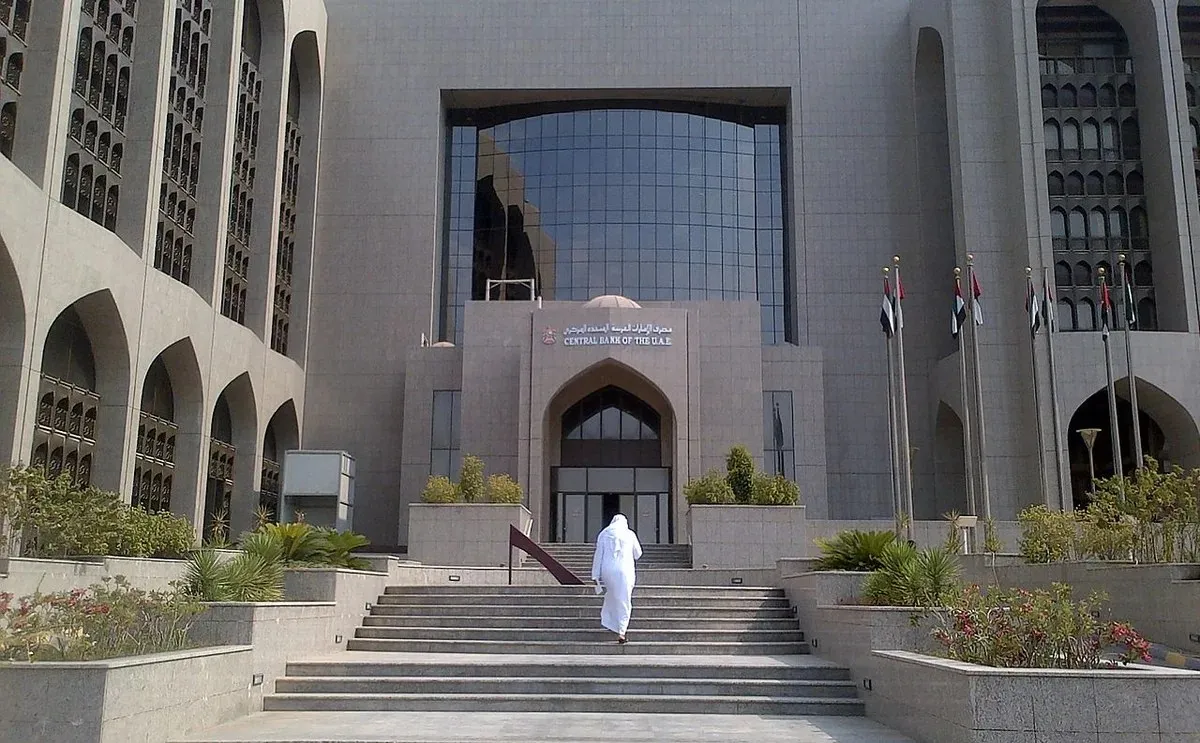
The United Arab Emirates (UAE) is poised for a significant shift in its financial landscape as consumers may soon benefit from lower interest rates. This development comes in the wake of the US Federal Reserve‘s recent decision to maintain its benchmark rate, coupled with indications of potential rate cuts in the near future.
The Federal Reserve’s Stance and Its Impact on UAE
On Wednesday, the US Federal Reserve held its key benchmark rate steady in the range of 5.25% to 5.50%, a level that has remained unchanged since July 2023. This decision has far-reaching implications for the UAE’s financial sector due to the dirham’s peg to the US dollar.
In response to the Fed’s decision, the Central Bank of the UAE (CBUAE) maintained its Emirates Interbank Offered Rate (EIBOR) overnight deposit facility at 5.40%. Additionally, the CBUAE kept the interest rate for borrowing short-term liquidity at 50 basis points above the base rate for all standing credit facilities.
Financial experts explain that the Base Rate, which is linked to the US Federal Reserve’s interest on reserve balances (IORB), serves as an indicator of the general monetary policy stance and provides an effective minimum for overnight money market interest rates in the UAE.
Potential Rate Cuts on the Horizon
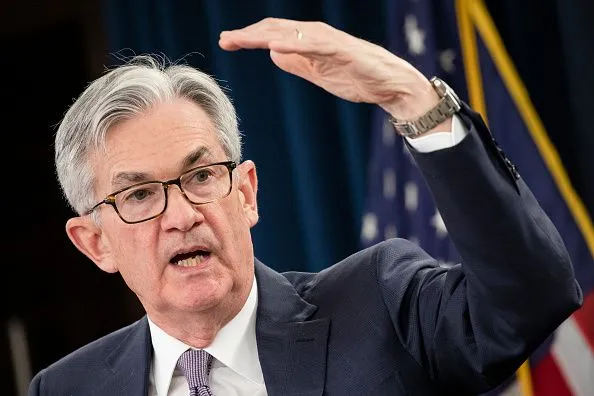
During the press conference following the interest rate announcement, Federal Reserve Chair Jerome Powell hinted at the possibility of interest rate cuts being discussed at the next Federal Open Market Committee (FOMC) meeting in September. This forward-looking approach acknowledges the need for flexibility in monetary policy to support economic growth while keeping inflation in check.
If the Fed decides to cut its interest rate in September, experts predict that the EIBOR rate could approach 5% over the next three months. This potential decrease would bring substantial relief to various sectors of the UAE economy.
Impact on UAE Consumers and Businesses
A reduction in interest rates would have wide-ranging effects on UAE consumers and businesses:
- Consumer Loans: Lower rates could lead to more affordable auto loans, credit card interest, and personal loans.
- Mortgage Market: Potential homebuyers may find it easier to enter the market with more favorable mortgage terms.
- Business Financing: Local state-owned enterprises and infrastructure players could utilize their credit limits more effectively, potentially refinancing existing debt at lower costs.
- Construction and Development: With an estimated construction project pipeline of nearly $500 billion over the next five years, lower debt costs could significantly boost credit uptake and spending in critical sectors such as infrastructure, housing, road building, hospitality, and tourism.
Economic Diversification and Growth
The UAE’s ambitious plans for economic diversification stand to benefit from a more favorable lending environment. Projects aimed at strengthening non-oil sectors could receive a boost, supporting the country’s long-term vision for a diversified and sustainable economy.
Market Expectations and Global Confidence
Financial markets are currently anticipating a 25-basis point rate cut by the US Fed in their September meeting. This expectation is shaping investor sentiment and influencing financial strategies across the globe.
Mohamed Hashad, Chief Market Strategist at Noor Capital, commented on the Federal Reserve’s approach: “Under Chairman Jerome Powell’s leadership, the Federal Reserve has shown a consistent commitment to aligning its actions with market expectations. This approach aims to foster confidence among investors in global financial markets.”
Looking Ahead
As the UAE continues to position itself as a leading financial hub in the Middle East, the potential for lower interest rates presents both opportunities and challenges. Consumers and businesses alike should stay informed about these developments and consider how they might adjust their financial strategies in response to changing economic conditions.
While the prospect of lower interest rates is generally positive for borrowers, it’s important to remember that economic conditions can change rapidly. Financial experts advise maintaining a balanced approach to spending and saving, regardless of the interest rate environment.
As we move further into 2024, all eyes will be on the September FOMC meeting and its potential impact on the UAE’s financial landscape. The coming months may prove crucial for those looking to make significant financial decisions, from taking out loans to investing in property or expanding businesses.
The Ripple Effect of Lower Interest Rates
The potential reduction in interest rates could have a domino effect across various sectors of the UAE economy:
- Real Estate Market: Lower mortgage rates could stimulate demand in the property market, potentially leading to increased construction activity and job creation in related industries.
- Small and Medium Enterprises (SMEs): More affordable financing options could empower SMEs to expand operations, innovate, and contribute more significantly to the UAE’s economic diversification efforts.
- Stock Market: A lower interest rate environment often leads to increased investment in stocks, as investors seek higher returns than those offered by savings accounts or bonds.
- Consumer Spending: With reduced borrowing costs, consumers may have more disposable income, potentially boosting retail sales and overall economic activity.
- Foreign Investment: Lower interest rates could make the UAE an even more attractive destination for foreign investors looking for growth opportunities in a stable economic environment.
The Role of Technology in UAE’s Financial Future
As interest rates potentially decrease, the UAE’s financial technology (fintech) sector is poised to play a crucial role in shaping the country’s economic landscape. Digital banking solutions, blockchain technology, and artificial intelligence are already transforming how UAE residents and businesses manage their finances.
Lower interest rates could accelerate the adoption of these technologies, as financial institutions seek to maintain profitability through increased efficiency and innovative service offerings. This could lead to:
- Enhanced Financial Inclusion: Fintech solutions could make financial services more accessible to underbanked populations, contributing to broader economic participation.
- Improved Lending Processes: AI-powered credit scoring systems could enable more accurate risk assessment, potentially leading to even more favorable lending terms for qualified borrowers.
- Increased Competition: The fintech revolution could challenge traditional banking models, potentially resulting in more competitive financial products and services for consumers.
Preparing for a Changing Financial Landscape
As the UAE’s financial sector adapts to potential interest rate changes, individuals and businesses should consider the following strategies:
- Review Financial Goals: Reassess long-term financial objectives in light of the changing interest rate environment.
- Explore Refinancing Options: Those with existing loans may want to investigate the possibility of refinancing to take advantage of potentially lower rates.
- Consider Investment Diversification: With changing market conditions, it may be prudent to review and potentially adjust investment portfolios.
- Stay Informed: Keep abreast of economic indicators and policy changes that could impact personal and business finances.
- Seek Professional Advice: Consult with financial advisors to make informed decisions based on individual circumstances and goals.
Conclusion
The potential for lower interest rates in the UAE presents a landscape of opportunity and change. As the country continues its journey towards economic diversification and technological advancement, the financial sector plays a pivotal role in shaping the future.
While lower interest rates can bring numerous benefits, they also require careful navigation of the financial landscape. By staying informed, adapting to changes, and making thoughtful financial decisions, UAE residents and businesses can position themselves to thrive in this evolving economic environment.
As we look towards the future, the UAE’s resilience and adaptability in the face of global economic shifts continue to underscore its position as a leading financial hub in the Middle East. The coming months will be crucial in determining the trajectory of interest rates and their impact on the UAE’s economic growth and development.
The UAE week, every Monday
The week's stories on jobs, visas, money and daily life in one short email. Unsubscribe in one click.