Riyadh’s Business Boom: 120+ Foreign Firms Relocate in Q1 2024
Discover why over 120 international companies moved to Riyadh in early 2024. Learn about Saudi Arabia’s economic growth and the impact on its office real estate market.
By Vadim Kouznetsov, published
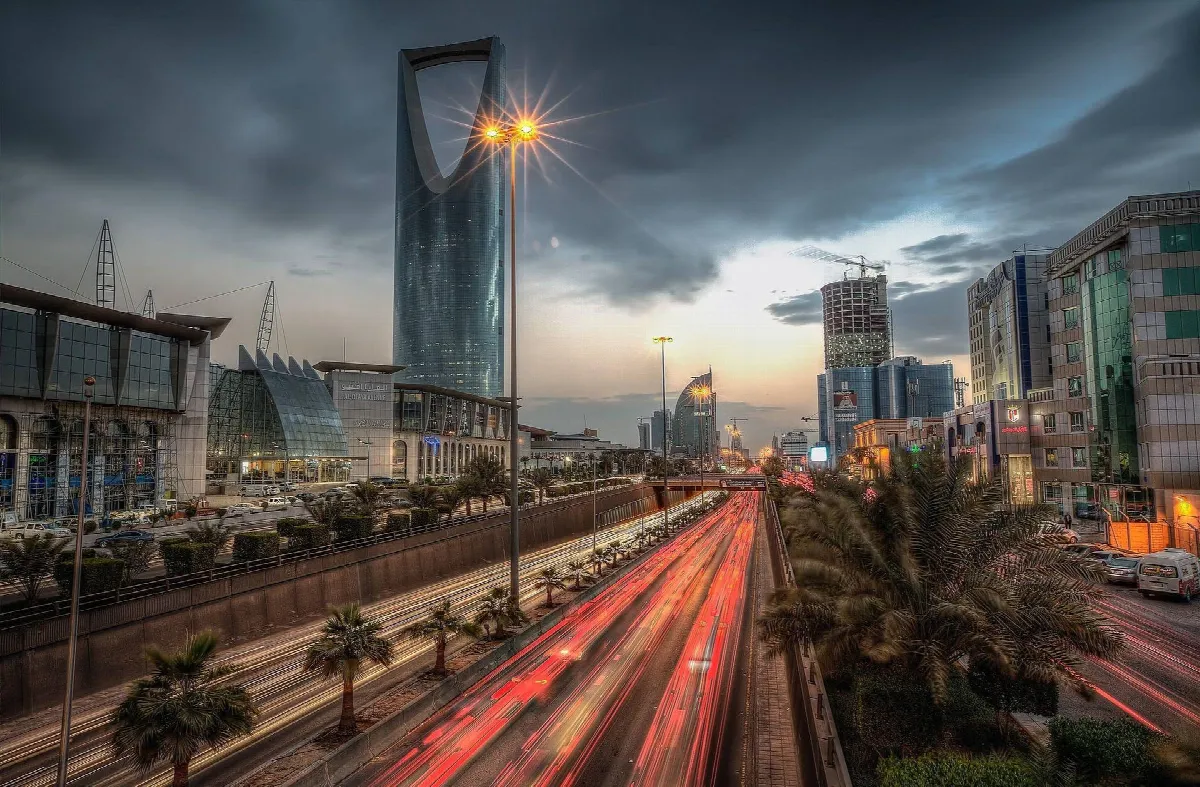
In a remarkable display of economic dynamism, Saudi Arabia‘s capital, Riyadh, has witnessed an unprecedented influx of foreign businesses in the first quarter of 2024. This surge in corporate relocations is reshaping the city’s business landscape and underscoring the kingdom’s growing appeal as a global business hub. Let’s delve into the details of this transformative trend and its implications for Saudi Arabia’s economic future.
The Relocation Surge: By the Numbers
The latest Savills Middle East report reveals some striking statistics:
- Over 120 foreign firms relocated their regional headquarters to Riyadh in Q1 2024 alone.
- This represents a 447% increase compared to the same period in 2023.
- Foreign Direct Investment (FDI) in Riyadh grew by 5.6% year-on-year in Q1.
These figures paint a picture of a city rapidly becoming a magnet for international businesses.
Driving Forces Behind the Relocation Trend
Several factors are fueling this corporate migration:
- Robust Non-Oil Sector Growth: Saudi Arabia’s efforts to diversify its economy are bearing fruit, with the non-oil sector emerging as a key driver of economic expansion.
- Strategic Government Initiatives: The Saudi government’s proactive approach, including the HQ mandate, is incentivizing foreign firms to set up shop in Riyadh.
- Attractive Investment Climate: The kingdom’s Vision 2030 strategy focuses on attracting foreign capital through various incentives.
- Economic Diversification: Riyadh’s office sector grew by 3.4% year-on-year in Q1, contributing to an anticipated 5% GDP growth for the year.
The Office Space Crunch
This influx of businesses has led to some interesting developments in Riyadh’s real estate market:
- Grade A office space occupancy has soared to 98%.
- Office rents increased by 3% quarter-over-quarter in Q2 and 13% year-on-year.
- Some areas in North and North-East Riyadh saw even steeper rent hikes, with annual growth reaching 23% and 20% respectively.
Amjad Saif, Head of Transactional Services at Savills in KSA, notes: “Limited prime office space in Riyadh, coupled with strong business confidence, has driven Grade A occupancy as high as 98%, and rents are increasing steadily.”
Who’s Moving In?
The corporate migration spans various sectors:
- Technology, Media & Telecommunications
- Consulting & Engineering
- Manufacturing
- IT/ITes
Notably, half of the recent lease transactions involved new entrant companies, signaling a positive outlook for continued business expansion.

Ramzi Darwish, Head of Saudi Arabia at Savills Middle East, provides insight into the origin of these relocations: “In the second quarter of 2024 alone, nearly 70% of inquiries received by Savills originated from outside Saudi Arabia, with a significant 50% coming specifically from US and UK corporations.”
Notable Relocations
The city has seen recent establishments of regional headquarters by prominent entities such as:
These high-profile moves are likely to encourage other international firms to consider Riyadh as a viable base for their regional operations.
Looking Ahead: Meeting the Demand
As Riyadh’s business landscape continues to evolve, the city is preparing to meet the growing demand for office space:
- A significant increase in Grade A office space supply is anticipated by the end of 2025.
- Over 650,000 square meters of new space is expected to become available.
This influx of new office space is crucial to accommodate the ongoing wave of corporate relocations and to maintain Riyadh’s attractiveness as a business destination.
Implications for Saudi Arabia’s Economic Future
This surge in corporate relocations has several important implications:
- Economic Diversification: The influx of foreign businesses across various sectors supports Saudi Arabia’s goal of reducing its dependence on oil revenues.
- Job Creation: The establishment of regional headquarters is likely to create numerous job opportunities for both locals and expatriates.
- Knowledge Transfer: The presence of international firms can facilitate the transfer of skills, technology, and best practices to the local workforce.
- Global Competitiveness: As more international businesses set up shop in Riyadh, the city’s status as a global business hub is solidified, potentially attracting even more foreign investment.
- Real Estate Development: The high demand for prime office space is likely to spur further real estate development projects in the city.
Conclusion
The remarkable influx of foreign businesses to Riyadh in early 2024 is a testament to Saudi Arabia’s growing appeal as a global business destination. Driven by strategic government initiatives, economic diversification efforts, and a favorable business climate, this trend is reshaping Riyadh’s corporate landscape.
As the city grapples with the challenges of accommodating this growth, particularly in terms of office space, it also stands to reap significant benefits. The continued influx of international businesses promises to contribute to job creation, knowledge transfer, and overall economic growth.
For businesses considering expansion or relocation in the Middle East, Riyadh’s burgeoning status as a corporate hub makes it an increasingly attractive option. As Saudi Arabia continues to implement its Vision 2030 strategy, the kingdom’s capital city appears poised for further growth and development in the coming years.
The UAE week, every Monday
The week's stories on jobs, visas, money and daily life in one short email. Unsubscribe in one click.