Dubai Islamic Bank Soars: H1 2024 Profit Breaks $1 Billion Barrier
Explore Dubai Islamic Bank’s record-breaking H1 2024 results. Learn how DIB’s success reflects UAE’s economic strength and what it means for the future of Islamic banking.
By Vadim Kouznetsov, published
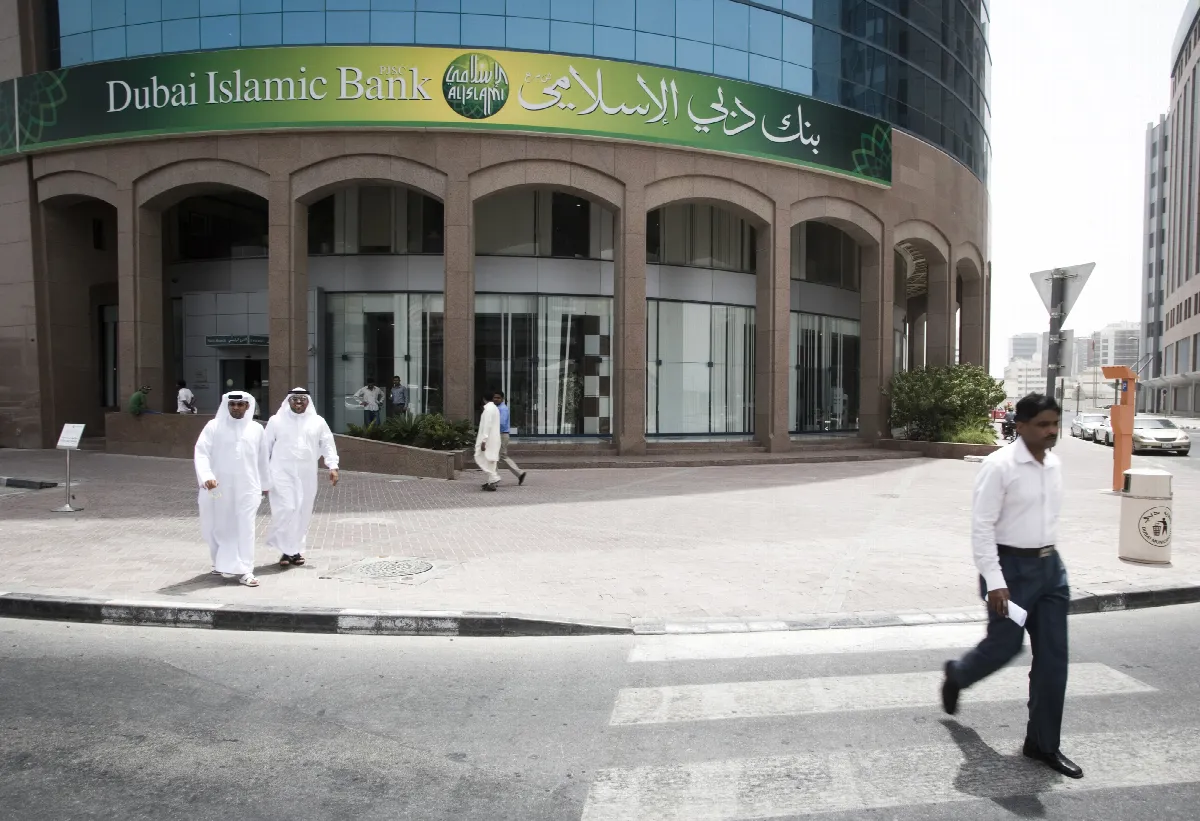
In a remarkable display of financial strength, Dubai Islamic Bank (DIB) has reported impressive results for the first half of 2024. The bank’s performance underscores its resilience and strategic prowess in navigating the dynamic financial landscape. Let’s delve into the key highlights and what they mean for the bank and the broader UAE economy.
Financial Highlights
Soaring Profits and Income
DIB has achieved a significant milestone, with its pre-tax profit surpassing the $1 billion mark. Here’s a breakdown of the key figures:
- Total Income: Reached AED11.3 billion ($3.08 billion), marking a substantial 21% year-on-year increase.
- Pre-tax Profit: Climbed to AED3.72 billion ($1.01 billion), representing an impressive 18% growth.
- Net Profit: Rose to AED3.38 billion ($920 million), an 8.6% increase for the six-month period.
These figures paint a picture of a bank that’s not just growing but thriving in the current economic climate.
Balance Sheet Growth
The bank’s balance sheet demonstrated steady expansion:
- Total Assets: Grew by 2.7% year-to-date, reaching AED323 billion ($87.95 billion).
- Customer Deposits: Increased to AED234 billion, a 5.4% rise.
- CASA Deposit Contribution: Reached 42%, up 500 basis points from 37% at the year’s start.
- Net Financing and Sukuk Investments: Improved by 3.8% to AED278 billion ($75.7 billion).
This growth indicates strong customer confidence and effective asset management strategies.
Improved Asset Quality
A notable achievement is the significant reduction in impairment charges:
- Impairment Charges: Declined by 32% compared to H1 2023, dropping from AED959 million to AED652 million ($177.5 million).
This reduction suggests improved asset quality and risk management practices.
Factors Contributing to Success
Several factors have contributed to DIB’s stellar performance:
- UAE’s Economic Resilience: Key sectors such as tourism, hospitality, transportation, and finance have shown positive momentum.
- Robust Banking System: The UAE’s banking sector remains well-capitalized, facilitating balance sheet expansion despite global financial tightening.
- Innovation-Led Strategies: DIB has leveraged the UAE’s focus on innovation and economic diversification.
- Global Economic Stability: Moderation in global inflation levels and central banks pausing rate hikes have created a more stable macroeconomic environment.
Leadership Perspectives
DIB’s leadership team has provided insights into the bank’s performance and the broader economic context:
Mohammed Ibrahim Al Shaibani, Chairman of Dubai Islamic Bank, highlighted:
- The UAE’s economic resilience
- Positive momentum in key sectors
- The robust nature of the UAE’s banking system
Dr. Adnan Chilwan, Group Chief Executive Officer, emphasized:
- The bank’s remarkable first-half performance
- Dubai and the UAE’s growing status as competitive, advanced economies
- The country’s appeal as a global hub for various sectors
Implications for the Future
DIB’s strong performance has several implications:
- Investor Confidence: The results are likely to boost investor confidence in both DIB and the UAE banking sector.
- Economic Indicator: The bank’s growth reflects the overall health of the UAE economy, particularly in Dubai.
- Competitive Position: These results strengthen DIB’s position in the competitive Islamic banking sector.
- Future Growth Potential: The bank’s ability to grow in various economic conditions suggests potential for continued success.
Conclusion
Dubai Islamic Bank’s H1 2024 results are not just numbers on a balance sheet; they’re a testament to the bank’s strategic vision, operational excellence, and the robust economic environment of the UAE. As the country continues to position itself as a global economic powerhouse, DIB’s performance serves as both a beneficiary and a contributor to this growth story.
For investors, customers, and economic observers, these results provide a compelling narrative of success in the Islamic banking sector and the broader UAE economy. As we move into the second half of 2024, all eyes will be on DIB to see if this impressive trajectory can be maintained and what it might signal for the future of banking in the region.
The UAE week, every Monday
The week's stories on jobs, visas, money and daily life in one short email. Unsubscribe in one click.