UAE’s Eagle Hills Signs $3 Billion Tourism Deal with Indonesia
Discover details of the $3 billion tourism agreement between UAE’s Eagle Hills and Indonesia, including airport enhancements and hotel developments.
By Vadim Kouznetsov, published
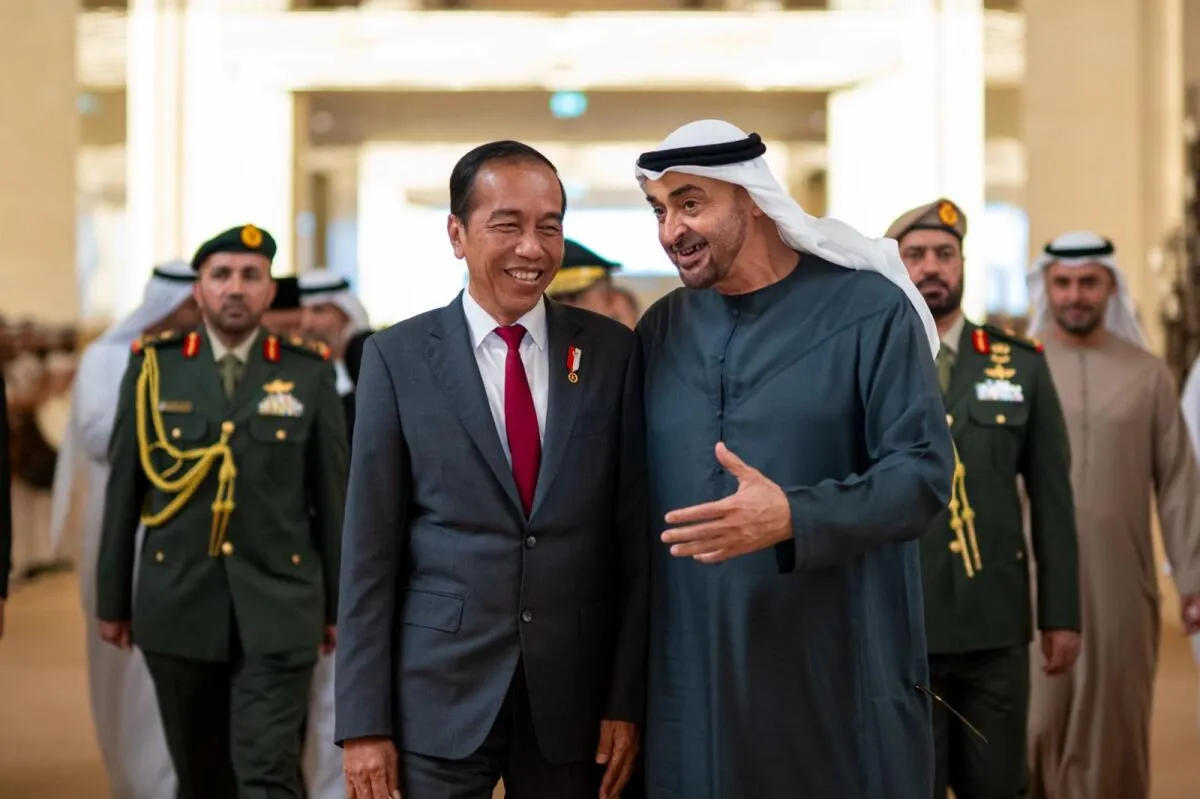
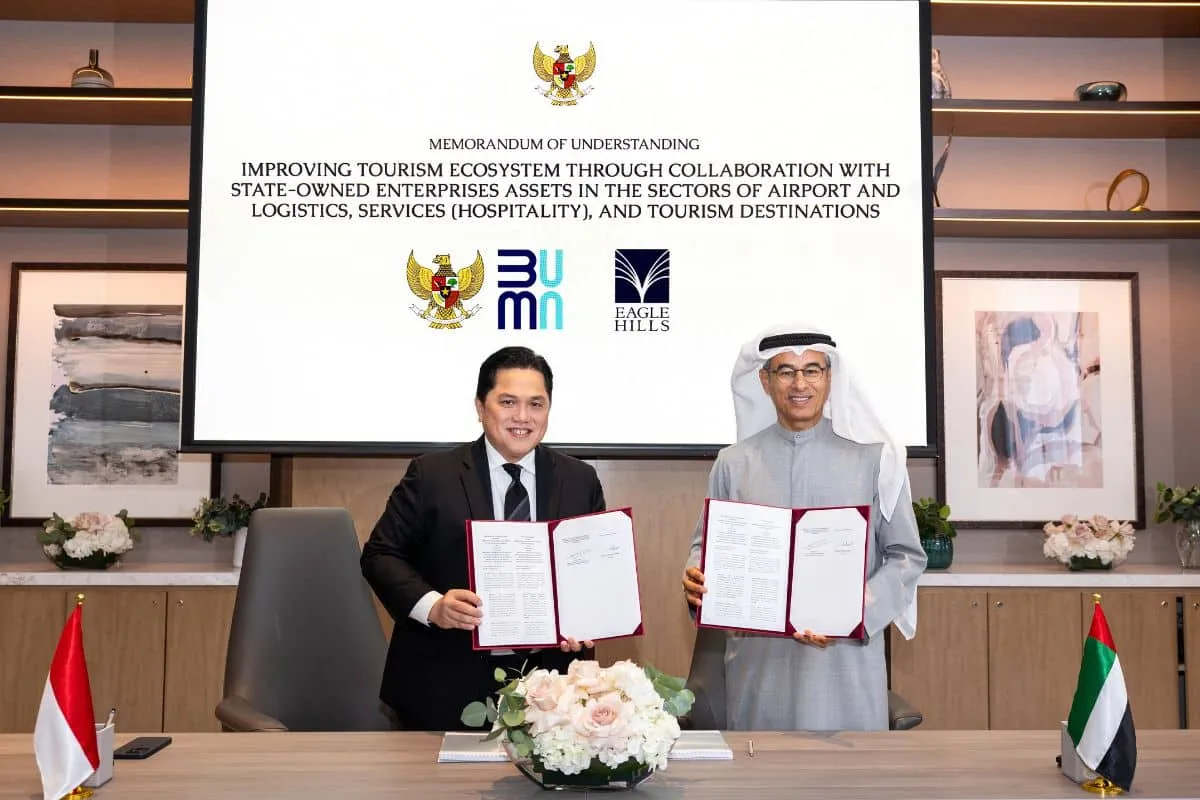
In a significant move to boost tourism and infrastructure development, UAE-based property company Eagle Hills has entered into a $3 billion agreement with Indonesia’s Ministry of State-Owned Enterprises. This deal marks a major step in strengthening economic ties between the UAE and Indonesia.
Key Points of the Agreement
- Total Investment: $3 billion
- Duration: 1-year MoU with possibility of extension
- Scope: Development of hotels, airports, and tourism destinations
- Key Project: Infrastructure enhancement at Jakarta’s Soekarno-Hatta International Airport
Witnessed by UAE and Indonesian Presidents
The agreement was announced in the presence of UAE President Sheikh Mohamed and Indonesian President Joko Widodo, underlining the importance of this partnership at the highest levels of government.
Flexible Implementation
Indonesian Enterprise Minister Erick Thohir stated, “There is no time period set for the $3 billion investment, giving flexibility on implementation.”
Additional Agreements
Several other Memoranda of Understanding (MoUs) were signed during the event, including:
- Solar energy systems installation on industrial and commercial rooftops in Indonesia
- Public budget management
- Smart systems cooperation between the Central Banks of UAE and Indonesia
- Peaceful use of nuclear energy
- Establishment of the Mohamed Bin Zayed-Joko Widodo Mangrove Research Centre in Bali
- Cooperation between Dubai International Financial Centre and the Nusantara Capital Authority
- Framework agreement on maritime patrol aircraft
Eagle Hills and Mohamed Alabbar

The deal was signed by Eagle Hills, a company led by UAE billionaire Mohamed Alabbar, known for his significant contributions to real estate development in the UAE and internationally.
Implications for UAE-Indonesia Relations
This agreement not only represents a substantial investment in Indonesia’s tourism sector but also signifies deepening economic ties between the UAE and Indonesia. It showcases the UAE’s growing role in international development and investment, particularly in the Asia-Pacific region.
As this partnership unfolds, it is expected to create numerous opportunities for businesses in both countries, boost tourism, and contribute to Indonesia’s infrastructure development. The flexible nature of the agreement allows for adaptability to market conditions and project requirements over time.
The UAE week, every Monday
The week's stories on jobs, visas, money and daily life in one short email. Unsubscribe in one click.