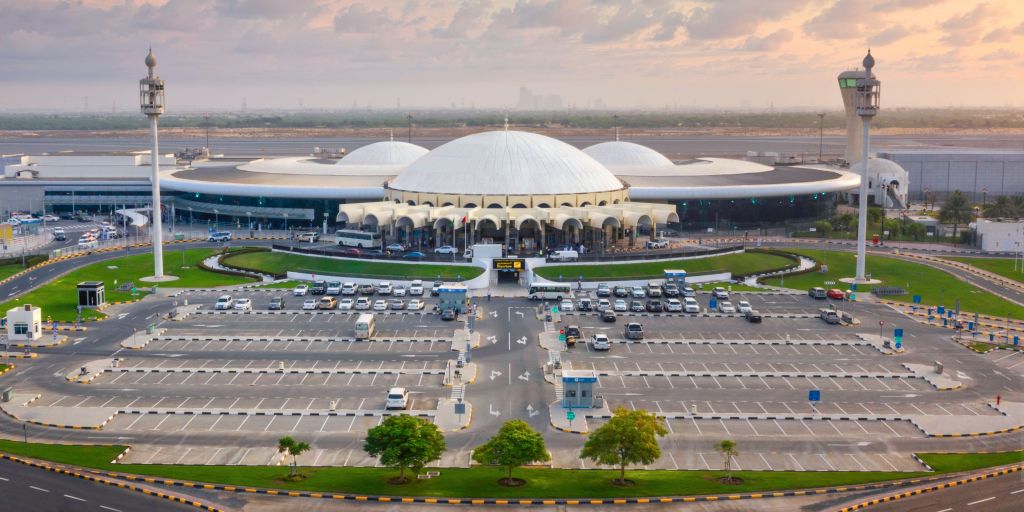
Sharjah International Airport has kicked off 2024 with impressive growth, solidifying its position as a key player in the UAE’s aviation sector. The airport’s performance in the first half of the year showcases its rising prominence as a regional hub for both passenger and cargo operations.
Key Performance Indicators
- Passenger Traffic: 8.3 million (↑12.4% year-on-year)
- Flight Movements: 52,702 (↑12.2% year-on-year)
- Cargo Handling: 97,200 tonnes (↑40.7% year-on-year)
- Sea-air Cargo: 7,400 tonnes (↑17.5% year-on-year)
Expanding Global Reach
Sharjah Airport has significantly expanded its international footprint:
- Destinations: Over 100 international locations
- Airlines: 26 carriers operating, including cargo flights
- New Routes: Recently added Greece and Poland via Air Arabia
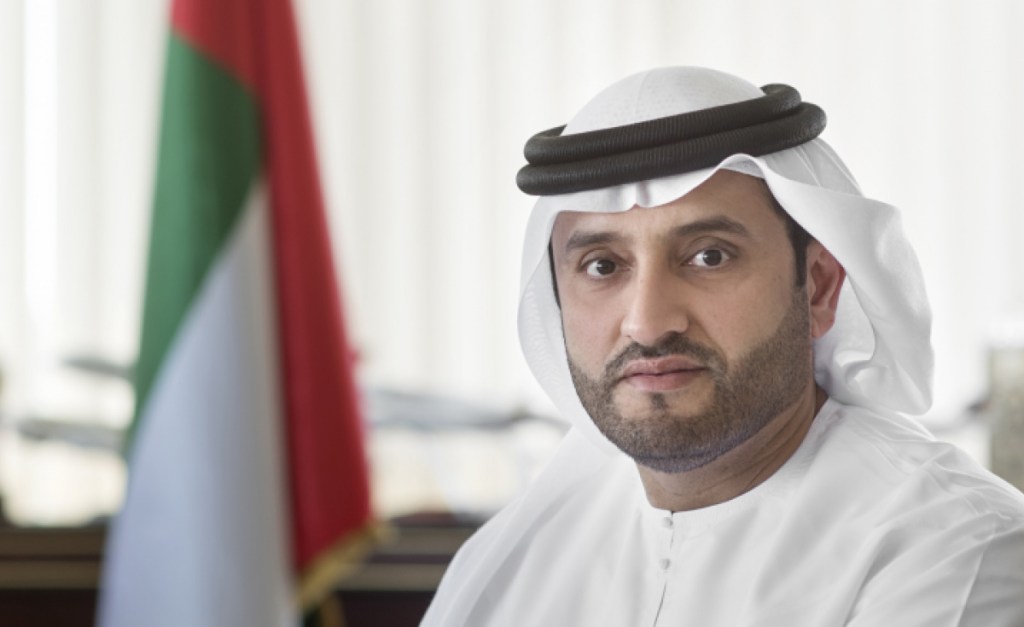
Ali Salim Al Midfa, Chairman of Sharjah Airport Authority (SAA), highlighted the airport’s role: “Sharjah Airport represents a dynamic and active gateway supporting economic, tourism, and business sectors in the Emirate.”
Strategic Growth and Innovation
The airport’s growth strategy focuses on several key areas:
- Passenger Experience: Providing a safe and seamless travel journey
- Technology Adoption: Implementing cutting-edge innovations
- Sustainability: Adhering to environmental standards
- Service Quality: Offering integrated, high-quality services aligned with passenger expectations
- Connectivity: Expanding networks and increasing flight frequencies
Air Arabia’s Expansion
As Sharjah Airport’s home carrier, Air Arabia plays a crucial role in the airport’s growth:
- New Route: Vienna, Austria (starting December 20, 2024)
- Frequency: Four non-stop weekly flights
- Network Expansion: Recent additions include Greece and Poland
- Regional Growth: New bases in Morocco (Rabat and Diwan) and expanded operations in Pakistan

Adel Al Ali, Group CEO of Air Arabia, shared insights on future plans: “Post-peak summer, we will explore new destinations for the winter.”
Looking Ahead: Ambitious Goals
Sharjah International Airport has set its sights on significant future growth:
- Capacity Target: 25 million passengers annually by the end of 2027
This ambitious goal underscores the airport’s commitment to long-term expansion and its confidence in the region’s aviation market.
Impact on Sharjah’s Economy
The airport’s growth has far-reaching implications for Sharjah’s economic landscape:
- Tourism Boost: Increased passenger numbers likely to drive tourism growth
- Business Opportunities: Enhanced connectivity attracting more international businesses
- Job Creation: Expansion of airport operations creating new employment opportunities
- Regional Competitiveness: Strengthening Sharjah’s position in the competitive Gulf aviation market
Challenges and Opportunities
While the growth numbers are impressive, Sharjah Airport faces several challenges:
- Infrastructure Development: Keeping pace with rapid passenger growth
- Competition: Differentiating itself from nearby Dubai and Abu Dhabi airports
- Sustainability: Balancing growth with environmental responsibilities
However, these challenges also present opportunities for innovation and strategic partnerships.
Conclusion: A Bright Future for Sharjah Aviation
Sharjah International Airport’s remarkable performance in the first half of 2024 sets a strong foundation for future growth. As it continues to expand its network, enhance its services, and increase its capacity, the airport is poised to play an increasingly vital role in the UAE’s aviation landscape.
For travelers, businesses, and aviation enthusiasts alike, Sharjah Airport’s trajectory offers exciting possibilities. As we move into the second half of 2024 and beyond, all eyes will be on this rising star in Middle Eastern aviation.







Leave a comment