GCC FDI Boom: 5 Key Factors Driving Foreign Investment in 2024
Discover why the GCC is attracting record foreign investment. Explore economic stability, strategic location, investor-friendly policies, diverse opportunities, and market growth driving the FDI boom.
By Vadim Kouznetsov, published

The Gulf Cooperation Council (GCC) countries have emerged as prime destinations for foreign direct investment (FDI), experiencing a significant surge in capital inflows across various sectors. This article explores the key factors driving this FDI boom and its potential for continued growth.
1. Economic Stability and Diversification Initiatives
GCC nations have embarked on ambitious economic diversification programmes to reduce dependence on hydrocarbons:
- Comprehensive economic reforms including privatisation and infrastructure development
- Implementation of long-term strategic plans (e.g., Saudi Arabia Vision 2030, Dubai Economic Agenda D33)
- Enhanced business environment attracting investors seeking stable opportunities
Renoy Kundukulam, CEO of Finmark Capital, notes: “[GCC countries] have attracted FDIs into sectors such as infrastructure, warehousing and logistics, travel and tourism, IT (data centres), telecom infrastructure, and renewable energy.”
2. Strategic Geographic Location
The GCC’s position at the crossroads of Europe, Asia, and Africa offers significant advantages:
- Well-developed infrastructure including state-of-the-art airports and seaports
- Attractive global trade and logistics hub
- Easier access to regional markets
Anuj Goel, Senior Executive Officer at Century Private Wealth, emphasizes: “Due to the GCC countries’ favourable geographical position between the junction of Europe, Asia, and Africa, it is more attractive as a global trade and logistics hub.”
3. Investment-Friendly Policies and Incentives
GCC governments have implemented various measures to encourage FDI:
- Tax incentives and reduced bureaucratic hurdles
- Streamlined business registration processes
- Enhanced protection of intellectual property rights
- Establishment of special economic zones and free trade zones
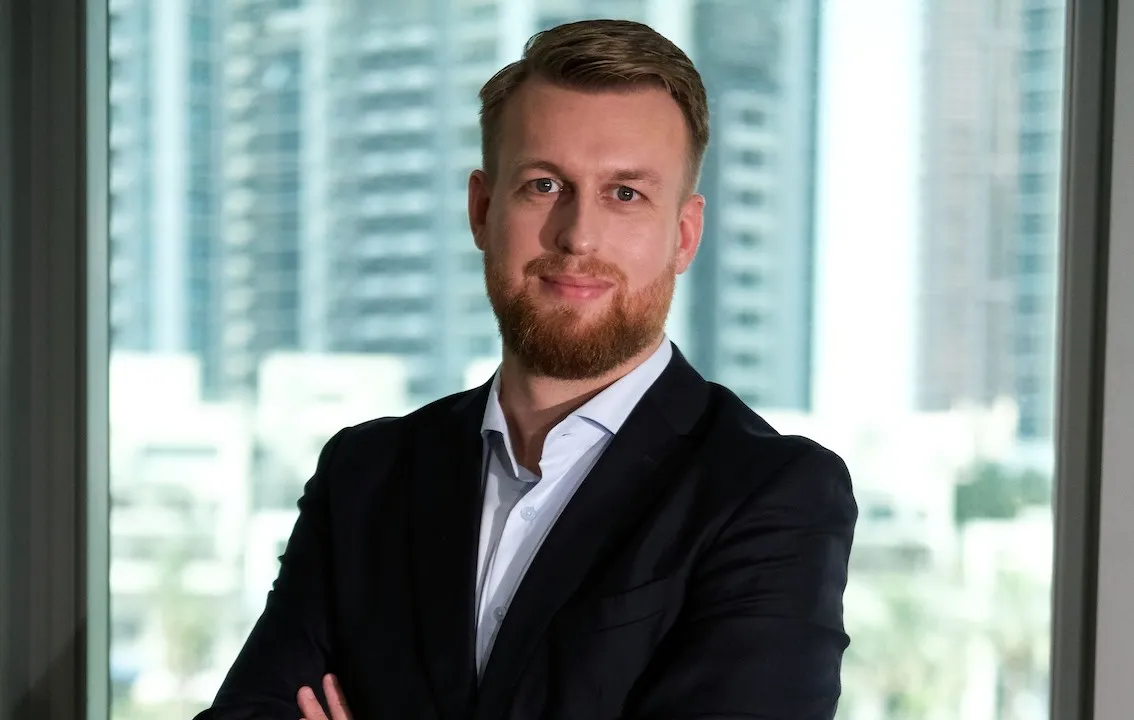
Bas Kooijman, CEO of DHF Capital S.A, highlights a significant policy change: “The need to have a 51% local shareholder has been gradually removed for most businesses, and in most GCC countries.”
4. Diverse Investment Opportunities
The GCC offers a wide range of investment opportunities across multiple sectors:
- Real estate and infrastructure development
- Healthcare and pharmaceuticals
- Technology and digital services
- Renewable energy
- Finance and hospitality
James Dervin, Managing Director at Alvarez and Marsal Middle East, notes: “Fundamentally, investors outside of the GCC can see the scale of the opportunities that the GCC presents. There are large pools of capital that have been raised in developed, mature and extremely competitive markets looking for a home, and the GCC seems to be becoming increasingly attractive.”
5. Growing Consumer Market and Rising Income Levels
The GCC boasts a young, affluent population with increasing disposable incomes:
- Lucrative consumer market attracting international retailers and hospitality chains
- Growing e-commerce and digital services sector
- Increasing focus on luxury goods, entertainment, and leisure activities
Dr. Pallavi Kishore, Head of Accounting and Finance at Middlesex University Dubai, highlights: “According to the Kearney FDI Confidence Index, the GCC countries, including the United Arab Emirates, Qatar, and Saudi Arabia, emerge as the most attractive destinations for investors.”
Looking Ahead: The GCC’s FDI Future
Vijay Valecha, Chief Investment Officer at Century Financial, provides impressive statistics on the UAE’s FDI growth:
- UAE ranked 2nd globally in greenfield FDI project announcements in 2023
- FDI inflows grew to $30.68 billion in 2023, a 35% year-on-year increase
- The UAE targets to attract $150 billion in FDI by 2031
As the GCC continues to implement ambitious economic reforms and capitalise on its strengths, it is poised to sustain its growth trajectory and solidify its position as a leading destination for foreign direct investment in the global arena.
The UAE week, every Monday
The week's stories on jobs, visas, money and daily life in one short email. Unsubscribe in one click.