Riyadh Emerges as a Fastest-Growing City: A Key Hub for Businesses
Riyadh ranks among the top 15 fastest-growing cities by 2033, driven by a young population and government initiatives.
By Vadim Kouznetsov, published
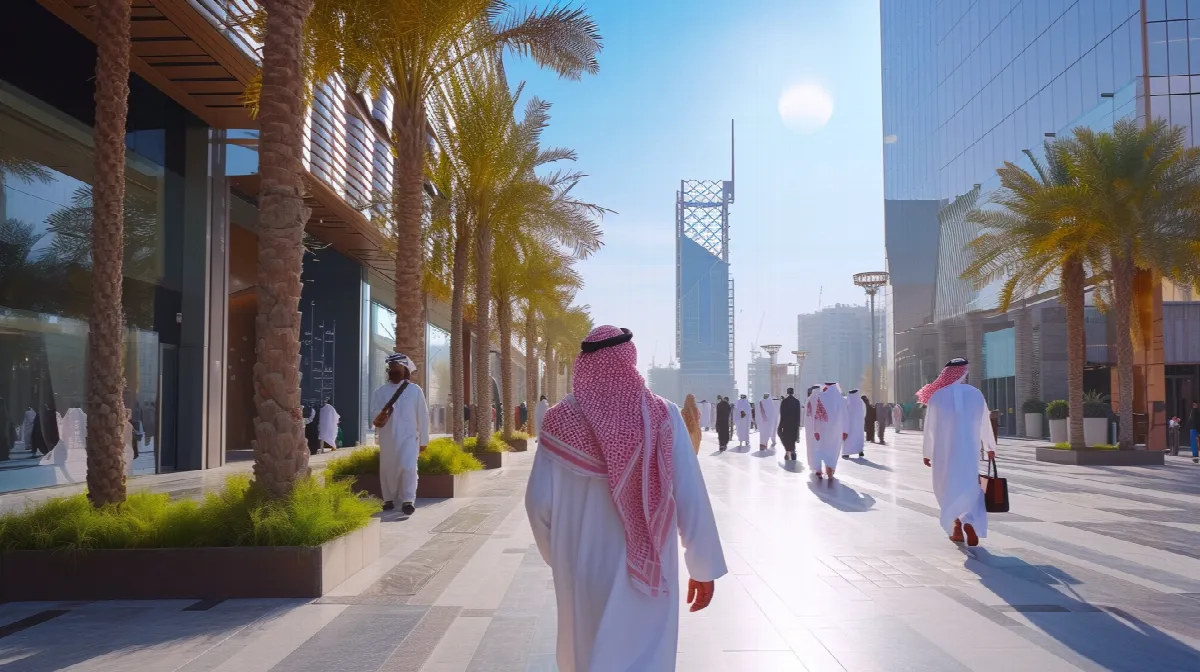
The Savills Growth Hubs Index has ranked Riyadh among the top 15 fastest-growing cities by 2033, with a projected 26% population increase.
Riyadh’s Growth Potential
Riyadh is expected to reach a population of 9.2 million by 2033, up from the current 5.9 million. This growth is driven by a young population, with 67% of Saudi Arabia’s 36 million people under the age of 35. According to Richard Paul, Head of Professional Services & Consultancy Middle East, “The employment potential and ultimate spending power of this segment of the population over the next decade are enormous.”
Vision 2030 and Foreign Direct Investment
Saudi Arabia’s Vision 2030 economic diversification plan is driving growth, with a 5.6% increase in foreign direct investment (FDI) to SAR9.5 billion ($2.53 billion) in the first quarter of 2024 compared to the previous year.
A Regional Business Hub
Riyadh is emerging as a vital regional hub for leading businesses across diverse industries. Ramzi Darwish, head of Savills in Saudi Arabia, notes that “The 30-year tax relief for regional headquarters, expanding market, and promising prospects are attracting international companies and reinforcing Riyadh’s position as a vital regional hub.” Over 180 foreign companies have established their regional headquarters in the city in 2023, surpassing the initial target of 160.
The Savills Growth Hubs Index
The Savills Growth Hubs Index examines economic strength forecasts to 2033. Indian and Chinese cities dominate the top 15 list, with five spots each, followed by Vietnam with two, and the Philippines, Bangladesh, and Saudi Arabia with one each.
Resilient Cities
Paul Tostevin, director and head of Savills World Research, notes that “In economic terms, cities in India and Bangladesh are set to average GDP growth of 68% between 2023 and 2033, followed by those in Southeast Asia, including Vietnam and the Philippines, at 60%.” He adds that “Today’s global growth hubs won’t automatically turn into tomorrow’s Resilient Cities. For this, they’ll need to consider their own pathways to more environmentally sustainable development and improve education and labour force participation.”
The UAE week, every Monday
The week's stories on jobs, visas, money and daily life in one short email. Unsubscribe in one click.