Bridging the Skills Gap in GCC’s Construction Industry
Discover the importance of addressing skills gaps in the GCC’s construction industry and learn how investing in people, products, and processes can ensure long-term sustainability and success.
By Vadim Kouznetsov, published
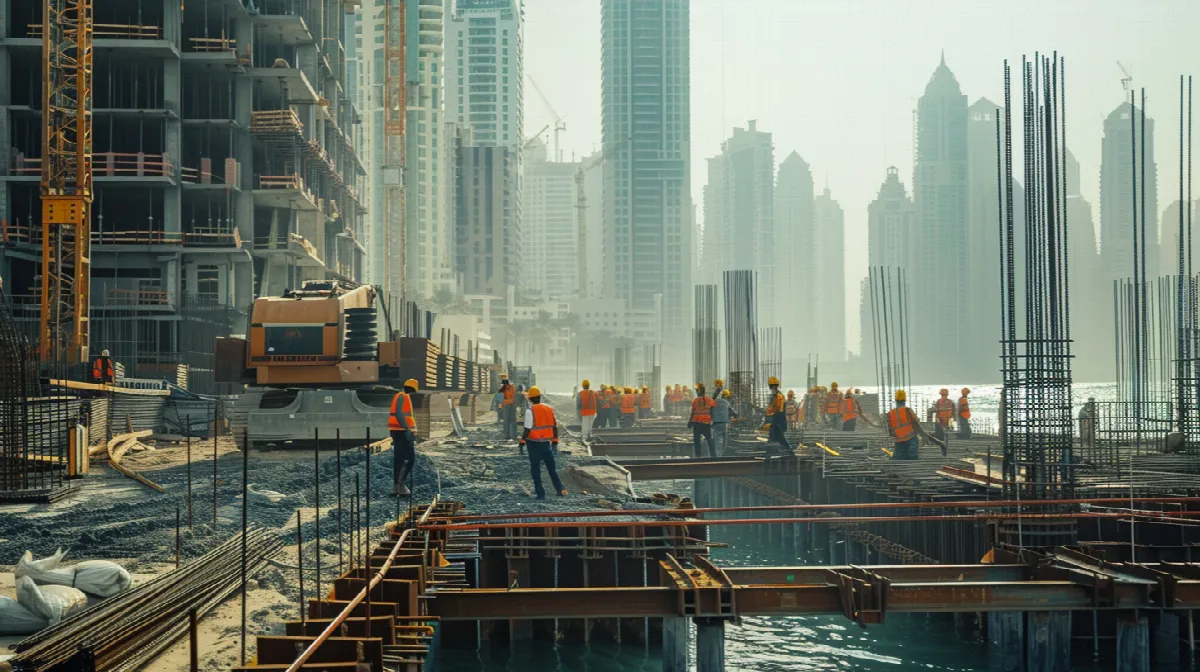
The GCC’s construction industry is facing a significant challenge: a skills gap that threatens to hinder the success of projects across the region. By 2050, the region’s population is expected to rise by 50%, driving demand for construction and MEP projects. However, a shortage of skilled workers poses a significant risk to projects, compromising safety, quality, and timelines.
The Importance of Addressing Skills Gaps
The skills gap is a global issue, but in a region with significant investment in commercial, residential, and industrial projects, it poses a significant threat to the construction industry. Firms are often forced to hire underskilled workers, leading to safety risks, project delays, and reputational damage.
Investing in People, Products, and Processes
To address the skills gap, it’s essential to take a holistic approach to project development, investing in people, products, and processes. This includes:
- People: Providing training and upskilling programs to develop the workforce and improve safety, construction quality, and system performance.
- Products: Opting for products that are easier and quicker to install, commission, and maintain, reducing the need for specialized training.
- Processes: Implementing more robust legislation, adhering to highest hiring standards, and facilitating coordination and planning with MEP stakeholders.
A Sustainable Future for the GCC’s Construction Industry
Bridging the skills gap is a long-term investment, but it’s crucial for the sustainability and success of construction and MEP projects across the GCC region. By taking a holistic approach to project development, we can ensure the long-term sustainability and success of the industry.
The UAE week, every Monday
The week's stories on jobs, visas, money and daily life in one short email. Unsubscribe in one click.