AI Misuse in UAE: Legal Recourse for Deepfakes and Voice Theft Victims
Experts weigh in on the legal framework surrounding AI-related offenses, including deepfakes and voice theft, in the UAE.
By Vadim Kouznetsov, published
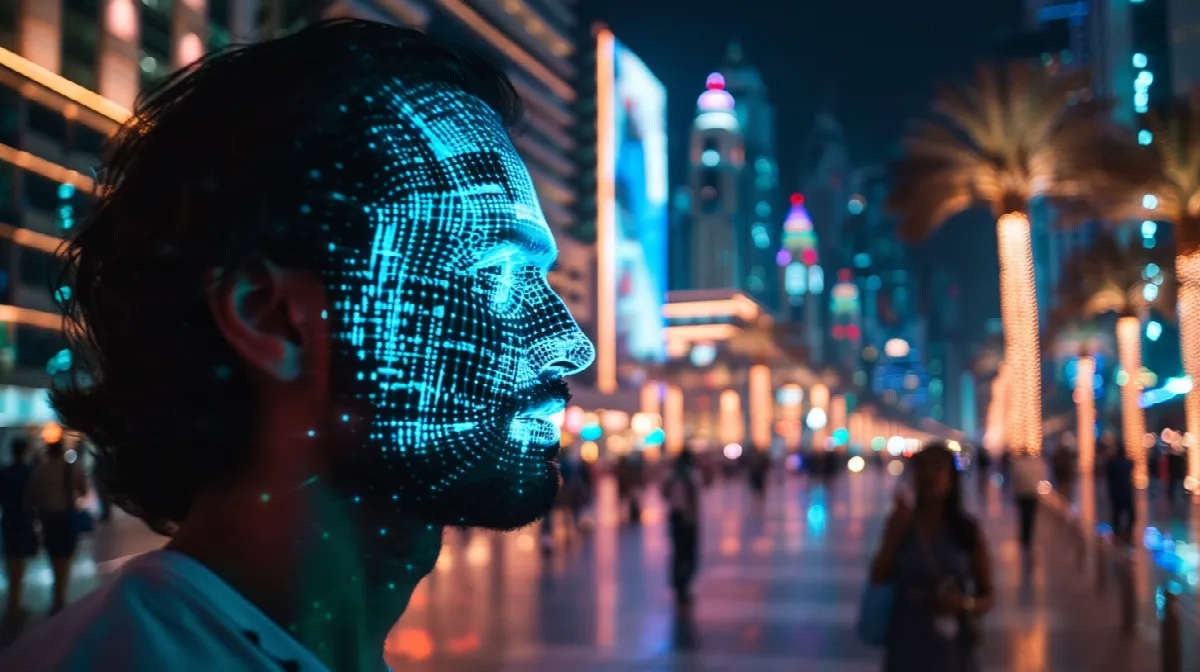
Recent high-profile cases of deepfakes and voice theft have brought these issues to the forefront. As the UAE works to establish a comprehensive legal framework for AI, experts share insights on the legal recourse available to UAE residents.
The Legal Framework
According to Samir Safar-Aly, Financial Regulatory, Compliance, and Investigations Counsel at Baker McKenzie, the legal recourse for deepfakes, voice theft, or intellectual property (IP) infringement by AI depends on the nature and impact of the offense. The UAE Penal Code, Cybercrimes Law, and Copyright Law provide provisions for addressing issues such as defamation, fraud, privacy breaches, and IP infringement.
Celebrity Deepfake Scandals
Recent cases, such as the deepfaked images of Taylor Swift and Scarlett Johansson’s alleged voice theft, have highlighted the potential consequences of AI-enabled offenses.
Legal Recourse and Safeguards
To seek legal recourse, residents can demonstrate the unauthorized use or manipulation of personal data or copyrighted material. Experts emphasize the importance of robust encryption, anonymization techniques, strict access controls, and adherence to data protection regulations to ensure transparency, consent, and data minimization.
The Way Forward
As the UAE continues to embrace AI, experts stress the need for interdisciplinary dialogue, public engagement, and international cooperation to ensure that AI laws reflect societal values and priorities.
By fostering a supportive ecosystem for responsible AI innovation, the UAE can drive sustainable progress while mitigating risks.
The UAE week, every Monday
The week's stories on jobs, visas, money and daily life in one short email. Unsubscribe in one click.