Mosquito Control in UAE: Report Sightings and Breeding Sites to Stay Safe
Stay safe from mosquito bites and potential diseases in the UAE. Report mosquito sightings and breeding sites to help authorities eliminate the spread.
By Vadim Kouznetsov, published
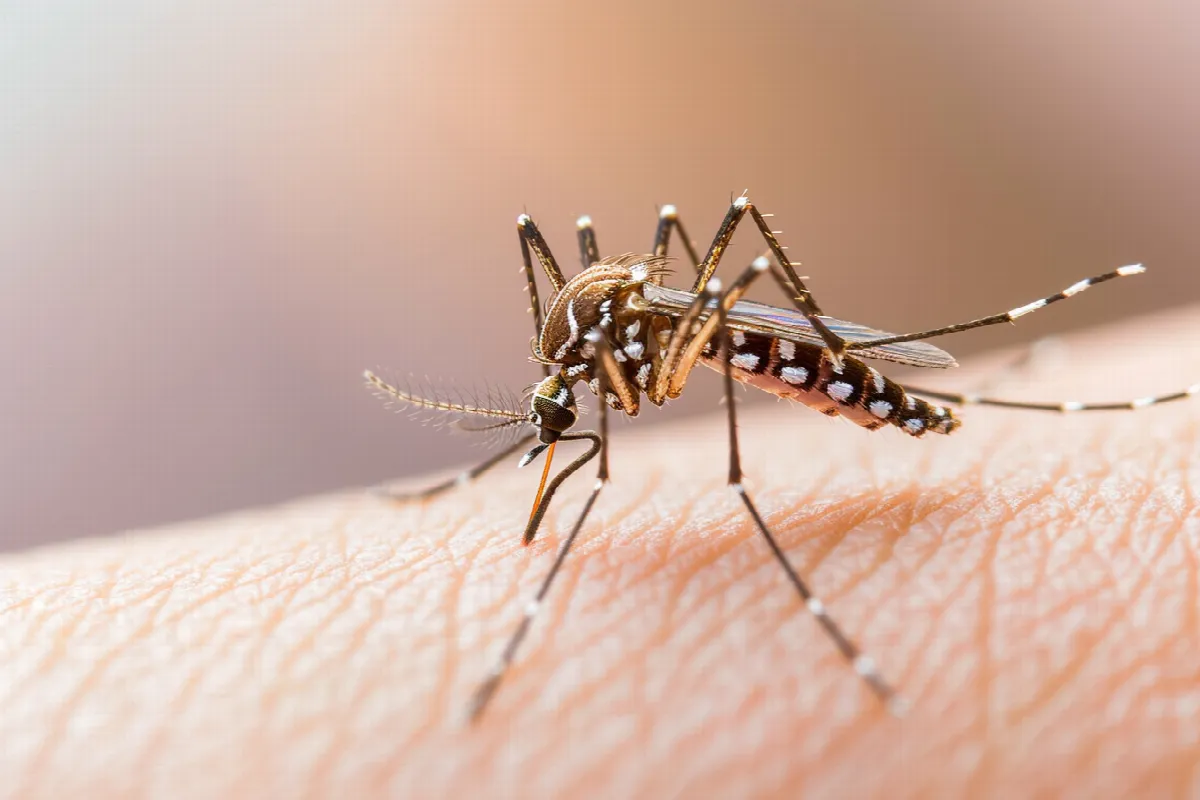
The UAE Ministry of Climate Change and Environment (MoCCAE) is urging residents to report mosquito sightings and potential breeding sites to combat the spread of mosquitoes and prevent diseases. With the recent heavy rainfall in the country, the ministry has seen an increase in mosquito sightings, especially in areas with stagnant water.
Understanding Mosquito Breeding
Mosquitoes thrive in warm and humid environments, and the UAE has experienced a mild wet season, resulting in water accumulation in many parts of the country. Urbanization also creates new habitats for mosquitoes. Residents can reduce the risk of mosquito bites and disease transmission by taking measures to eliminate breeding sites.
How to Stay Safe
- Dial 8003050 to report areas with stagnant water that have been left unattended for some time.
- Report areas with high mosquito proliferation.
- Use mosquito repellents and wear protective clothing that covers arms and legs.
- Install anti-mosquito screens and nets.
- Maintain gardens and yards by cleaning them regularly and avoiding water accumulation.
- Eliminate stagnant water from irrigation basins, swimming pools, and fountains.
Tech-enabled Mosquito Control
The ministry is using advanced technologies such as GIS mapping, sensors, predictive modelling, and big data analytics to curb mosquito proliferation. Satellite imagery and drones help identify mosquito breeding sites and assess environmental factors influencing spread.
Human-Safe Mosquito Control
The materials used in the campaign are not harmful to humans or animals. The UAE uses silicone films, biological control, and physical methods to eliminate mosquito larvae.
Campaign to Continue till 2025
The first phase of the UAE’s anti-mosquito campaign was launched in February 2022 and will continue until May 2025. The current stage of the campaign requires more attention due to recent heavy rains, which have created a conducive environment for mosquitoes to breed.
Identifying Breeding Hotspots
Residents can identify stagnant water bodies that can become mosquito hotspots by looking out for:
- Small pools of water in discarded tires, cans, or flowerpots.
- Containers such as barrels, buckets, or pots, if left uncovered.
- Ponds, marshes, swamps, and lakes.
- Construction sites with pits, ditches, or tanks collecting water temporarily.
- Uncovered septic tanks.
- Unused swimming pools, decorative ponds, and fountains.
- Clogged storm drains, blocked gutters, and improperly maintained drainage ditches.
By working together, residents and authorities can reduce the spread of mosquitoes and prevent diseases in the UAE.
The UAE week, every Monday
The week's stories on jobs, visas, money and daily life in one short email. Unsubscribe in one click.