How to Save for an AED1 Million Property in Dubai: A Financial Guide
Are you planning to buy a property in Dubai? Learn how much you need to save for a down payment and what costs to consider in this comprehensive guide.
By Vadim Kouznetsov, published
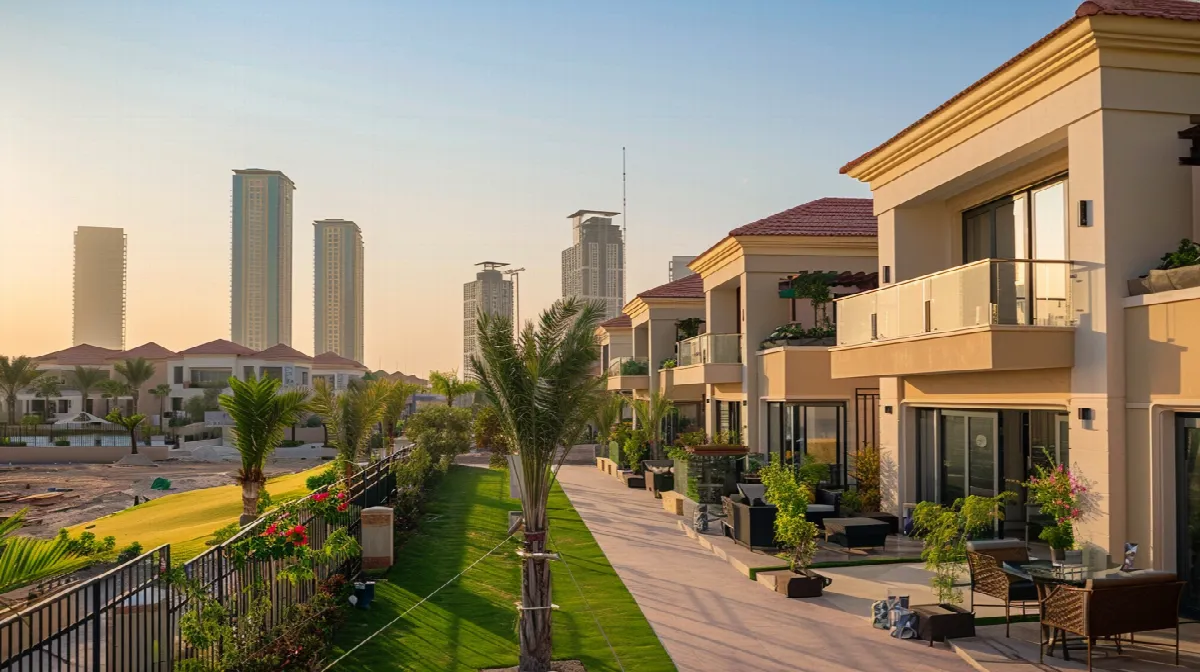
Dubai’s property market has been booming, making it an attractive option for buyers. However, before making a purchase, it’s essential to consider the associated costs and build a solid financial foundation.
Assessing Your Financial Readiness
Before buying a property, you need to evaluate your financial situation. You should have a secure job with a stable income, manageable debt levels, and sufficient savings for a down payment and emergency fund.
Calculating Your Down Payment
For an AED1 million property, the down payment would be 25% of the property value. You should budget an extra 10% of the property value to cover incidental costs such as mortgage application fees, land department fees, and estate agent fees.
Other Costs to Consider
In addition to the down payment, you should also consider the following costs:
- Mortgage payments
- Mortgage application fee (typically 1% of the loan amount)
- Land department fee (4% of the property value)
- Estate agent fee (2% of the property value)
- Registration fee for new buildings
- Utilities deposit and connection
- Home insurance (building and contents)
- Life insurance to repay the loan on death
- Moving costs
- Community and service fees
- Valid will to control how your property is distributed on death
Budgeting for Ongoing Costs
After purchasing the property, you should budget for ongoing costs such as:
- Mortgage payments (no more than 28% of your gross monthly income)
- Annual maintenance (1-2% of the property value)
- Community service fees
- Insurance
- Utilities
Risks and Challenges of Owning Property in Dubai
Some risks and challenges to consider include:
- Property value fluctuations
- Changes in rental yields
- Potential tenant vacancies
- Maintenance costs
- External maintenance of communal areas
Alternatives to Buying Property in Dubai
If buying a property in Dubai is not feasible, consider alternatives such as:
- Investing in real estate in another country
- Real estate investment trusts (REITs)
- Stock market funds and ETFs
- Starting a business
Remember to always prioritize your financial goals and risk tolerance when making investment decisions.
The UAE week, every Monday
The week's stories on jobs, visas, money and daily life in one short email. Unsubscribe in one click.