UAE and Saudi Arabia to drive regional growth despite oil cuts
Learn how the non-oil industries in the UAE and Saudi Arabia support the Middle East economy in 2024 despite oil shortages and political upheaval.
By Vadim Kouznetsov, published
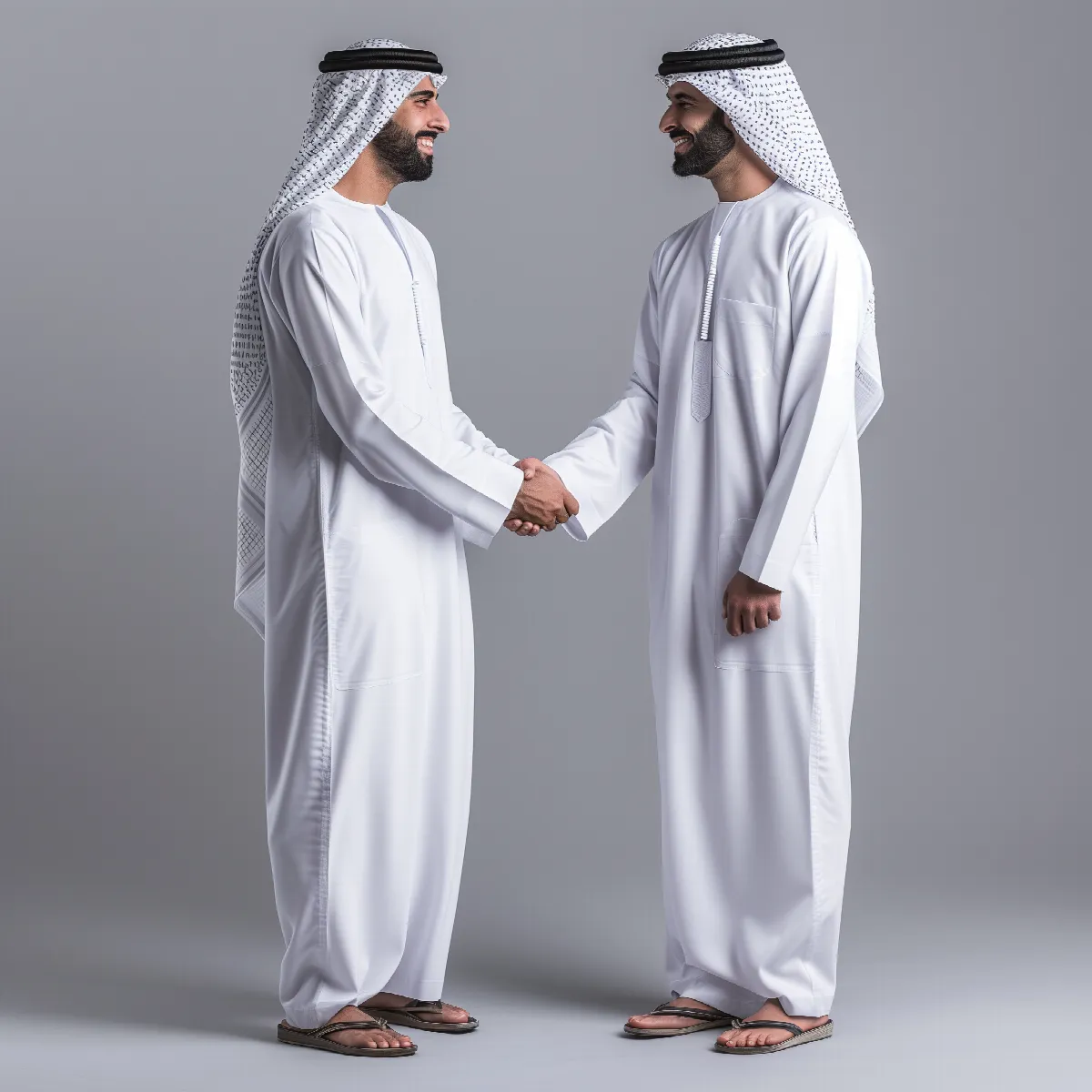
The Middle East’s economy is strong in a time of economic instability and geopolitical unrest, mostly because of the UAE and Saudi Arabia’s outstanding non-oil sector performance. According to PwC Middle East Economy Watch’s most recent data, the region’s economy continues to develop and stabilise despite the difficulties caused by disruptions in oil production and geopolitical unrest. Strong Purchasing Manager Indices (PMI) data reflecting optimistic economic attitudes for early 2024 are credited with this prosperous scenario, as is the robust non-oil GDP growth observed in the UAE and Saudi Arabia.
The United Arab Emirates has achieved a significant milestone in its attempts to diversify its economy: the non-oil sector now accounts for 73% of the country’s GDP. This accomplishment shows how confident the international investment community is in the economic climate in the United Arab Emirates. Abdullah bin Touq Al Marri, the UAE’s minister of economics, has issued an optimistic growth estimate, predicting that the country’s GDP will increase by as much as 5.0% by 2024.
Driven by a spike in new orders and output, the non-oil industries in Saudi Arabia and the United Arab Emirates both enjoyed significant increase in March. Saudi Arabia, the top oil exporter in the world, is diversifying its economy through a revolutionary Vision 2030. The Kingdom anticipates strong economic growth in 2025—5.5%—after posting 2.7% growth this year. This year, the emphasis will be on improving the non-oil economy and fostering industry growth rather of relying solely on oil.
Richard Boxshall, chief economist of PwC Middle East, highlights the importance of non-oil sector growth in mitigating the effects of volatile oil demand. Additionally, the region’s dedication to sustainability and alignment with net zero aspirations point to a viable path for improving its appeal to international investors and diversifying its economy.
The paper emphasises the growing momentum surrounding green financing and notes that, by 2023, green bond and sukuk issuance in the Middle East will have quadrupled to $24 billion, indicating strong interest in and investments in sustainable development.
The non-oil industries are still thriving despite OPEC+ members’ agreement to prolong cuts in oil output. To fulfil the increasing demand for greener energy sources worldwide, nations like Qatar are developing their liquefied natural gas (LNG) capacities.
The reevaluation of trade routes due to geopolitical upheaval highlights the need for the establishment of alternative trade corridors in order to maintain and improve economic connectivity throughout the area.
The Middle East’s capacity to adapt to changing economic conditions and seize opportunities in non-oil industries is demonstrated by this dynamic environment, which will help to assure sustainable growth and development in 2024 and beyond.
The UAE week, every Monday
The week's stories on jobs, visas, money and daily life in one short email. Unsubscribe in one click.