The United Arab Emirates is at the forefront of digital payments growth
Learn how the UAE is establishing new standards in the global digital economy with its adoption of digital payments and dedication to sustainability. Examine the emergence of cutting-edge payment options and Mastercard’s goal of financial inclusion.
By Vadim Kouznetsov, published
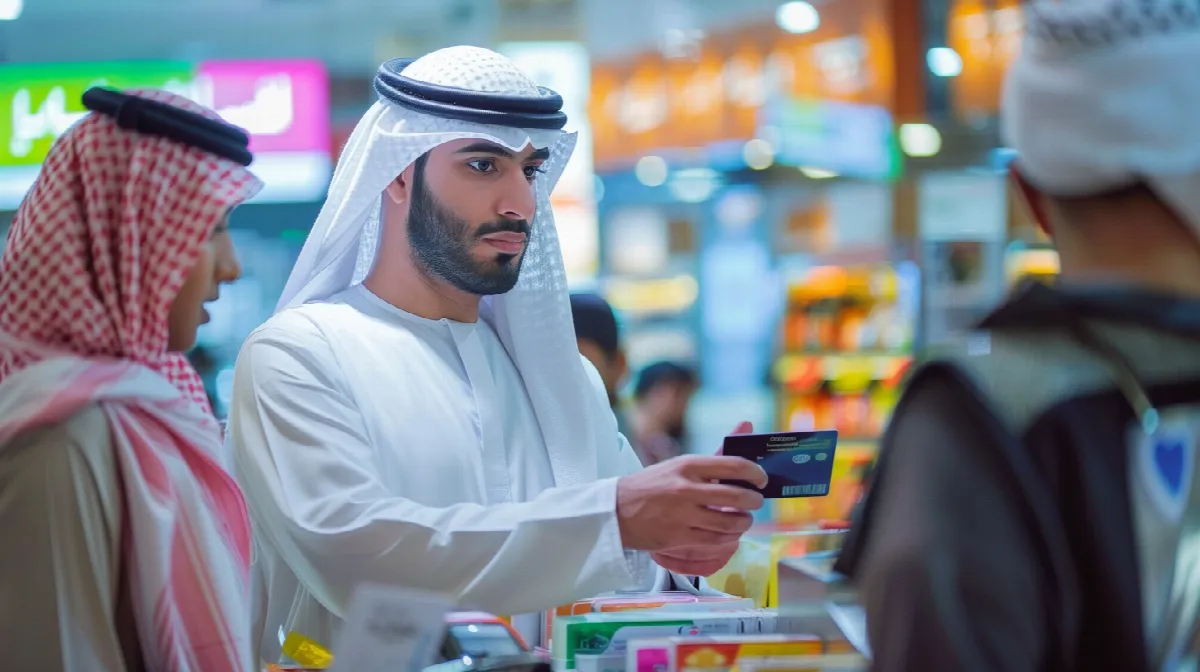
The UAE’s economic environment has seen a substantial shift with the adoption of digital payments, as evidenced by the noticeable 25% growth in the use of foreign cards last year. Due to their ease of use and security, new payment methods are being welcomed by both companies and consumers as the nation transitions to a more digital economy. This change is critical for fostering financial inclusion and revitalising the tourism industry in addition to building a strong digital infrastructure. Let’s examine how the United Arab Emirates is leading the way in digital payments and the implications for the country’s economic future.
The UAE is Seeing an Increase in Digital Payments
The UAE had an extraordinary 25% increase in foreign card spending in 2023. This increase shows that digital payments are becoming more widely accepted and relied upon than traditional cash transactions. The main forces for this change, according to J.K. Khalil, General Manager of Mastercard for MENA East, are the ease, speed, and security provided by digital payments. There is a regional shift towards digitalization, as seen by the trend, which is not exclusive to the UAE but is visible throughout the GCC.
The Transition to Regular Digital Transactions
With a startling 50% growth in transaction volume, the Middle East and North Africa (MENA) region saw a 20% increase in the value of transactions conducted by cards and digital solutions. It is believed that customer desires for more effective and secure payment options are the reason behind this trend towards digital payments for routine costs. Mastercard’s dedication to improving payment efficiency is demonstrated by its collaborations that provide all-inclusive digital payment solutions.
Acceptance of Novel Payment Options
Innovative payment methods are becoming more widely used; in the MENA area, 85% of people are looking at alternatives to traditional transactions. This percentage rises to 88% in the United Arab Emirates, indicating a strong desire for wearable technology, cryptocurrencies, “buy now, pay later” services, and mobile contactless payments. These patterns highlight how the payment environment is changing and how customers are willing to adopt new technologies.
Cross-Border Payments’ Function
In the GCC countries, which are well-known for having sizable expatriate communities, cross-border payments are essential for maintaining ties between expatriates and their home nations. Mastercard’s services enable smooth money flow across more than 180 countries, demonstrating the corporation’s commitment to financial inclusion. The company anticipates a rise in cross-border transactions.
Dedication to Sustainability and Financial Inclusion
Beyond only enabling transactions, Mastercard wants to reduce financial inequality by bringing 50 million SMEs and one billion people into the digital economy by 2025. Efforts such as the “Sustainable Cards Pledge” demonstrate a dedication to ecological accountability, with the United Arab Emirates spearheading the use of sustainable card materials.
Final Thoughts
The United Arab Emirates’ use of digital payments signifies a noteworthy progression in its economic structure, portending improved financial inclusion, security, and sustainability in the future. With the growing popularity of digital transactions, the UAE is positioned to become a leader in the global digital economy.
The UAE week, every Monday
The week's stories on jobs, visas, money and daily life in one short email. Unsubscribe in one click.