Dubai Real Estate: New Listings in 2024 Will Stabilise Rental Prices
See how the rental market in Dubai is expected to change in 2024 with the addition of approximately 20,000 additional residences. Find out about the robust demand and anticipated growth.
By Vadim Kouznetsov, published
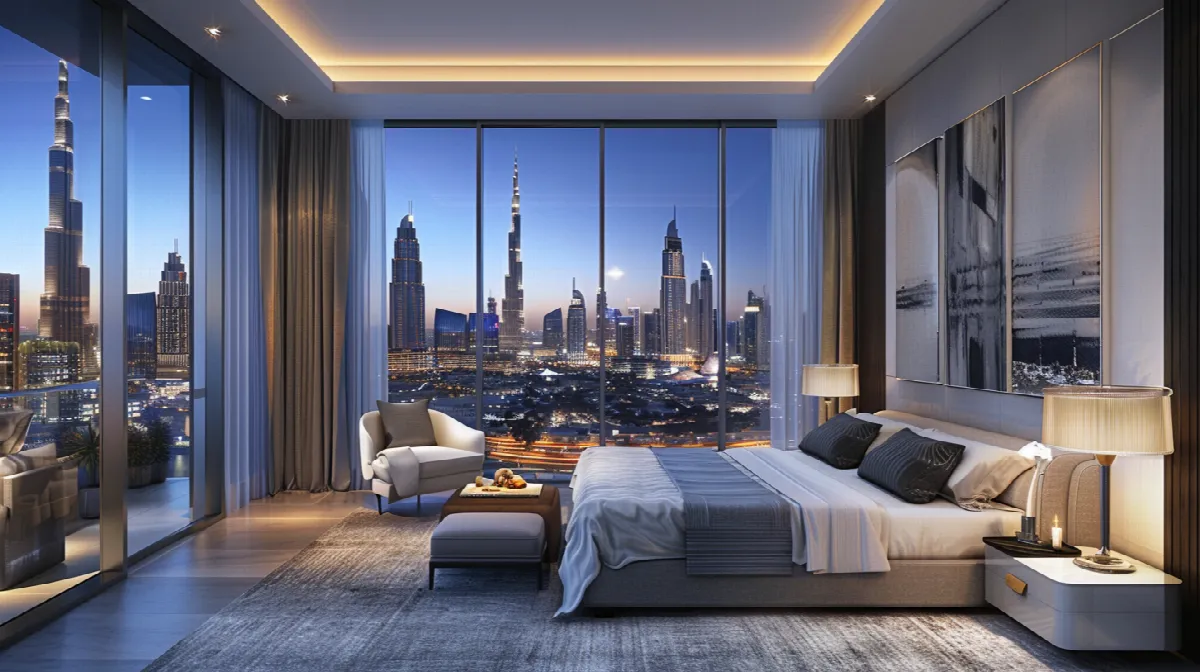
The Dubai real estate market is anticipating a stabilisation of rental growth, owing to the completion of nearly 20,000 additional residential units by 2024. The significant rise in the number of available properties is expected to temper increases in rental prices in different parts of the city, according to Swapnil Pillai, Associate Director of Research at Savills Middle East.
More than 47,000 new residential units were introduced to Dubai in 2023, with the majority of them being in the southeast areas of the city. It is expected that this concentration would prevent any significant rises in rental prices across the city. “Rental growth is likely to moderate across select peripheral locations of the city, with a large quantum of upcoming supply,” Pillai writes. But rather than a decline in rental rates, a stabilisation of rates is anticipated as the new houses contribute to balancing the supply and demand for housing.
Due to the city’s significant expatriate workforce and ongoing economic expansion, Dubai continues to see a high demand for residential rentals. Demand is particularly high in the luxury residential market, where sales of properties over AED 10 million are up 63 percent on an annual basis.
The growing demand for luxury real estate in Dubai highlights the creation of a two-tier market, with established neighbourhoods with upscale constructions remaining popular for extended periods of time.
Economic growth in the United Arab Emirates is expected to reach 5% in 2024, with non-oil industries already accounting for 73% of the country’s GDP. This diversification emphasises the private sector’s tenacity and the continuous contribution of mega-infrastructure projects to boosting economic activity.
The luxury residential sector in Dubai is booming in terms of sales, as seen by the 63 percent rise in transactions recorded in the previous year. The markets for prime office and industrial real estate are also exhibiting symptoms of growing rental rates. This year, prime office rentals are predicted to increase by 20% since Grade A offices have a vacancy rate of less than 5%.
Government initiatives to promote non-oil growth sectors, which are essential for the region’s economic diversification, support the Middle East real estate sector’s resiliency even while the world economy continues to present difficulties.
In conclusion, a new phase in Dubai’s real estate market is about to begin, with rental price stabilisation anticipated by 2024. The market is expected to remain robust and vibrant despite changing economic conditions due to the inflow of new properties and strong demand.
The UAE week, every Monday
The week's stories on jobs, visas, money and daily life in one short email. Unsubscribe in one click.