Examining the $1.68 trillion Gulf Real Estate Boom: Saudi Arabia and the United Arab Emirates’ Dominance
Enter the centre of the Gulf’s real estate boom, where the UAE and Saudi Arabia are at the forefront of a pipeline of $1.68 trillion projects. This informative summary will help you learn about economic projections and future developments.
By Vadim Kouznetsov, published
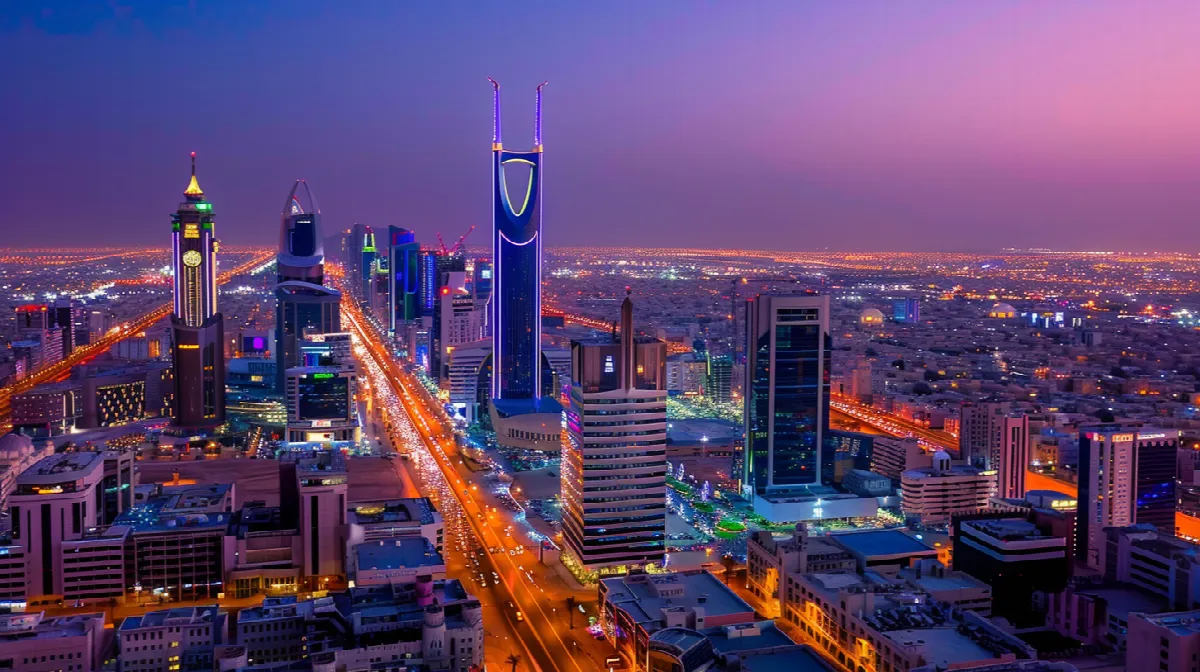
The Gulf region’s real estate market is booming beyond recognition, according to CBRE’s 2024 Market Outlook for the Middle East, with a staggering $1.68 trillion worth of projects in pipeline. Saudi Arabia and the United Arab Emirates (UAE) are the two superpowers driving this growth.
Saudi Arabia: The Prime Example
Leading the pack, Saudi Arabia controls more than sixty-three percent of the pipeline, or over $1.06 trillion worth of projects that are either planned or under development. This substantial investment highlights the kingdom’s aspirational goal of creating a strong, diverse economy by expanding its economy beyond oil.
Strategic Investments in the UAE
The United Arab Emirates (UAE) is not far behind, controlling a sizeable 24 percent of the Gulf’s pipeline of real estate projects, with over $406 billion in investments. With the objective of strengthening its standing as a major international business and tourism hub, the Emirates’ strategic focus on growing its real estate industry is in line with its larger aims of economic diversification.
The Gulf’s Remainder
The Gulf Cooperation Council (GCC) nations of Bahrain, Kuwait, Oman, and Qatar together contribute to the remaining fraction of the real estate project pipeline, with Saudi Arabia and the United Arab Emirates capturing the lion’s share. Their stakes, which represent 1.3 percent to 5.2 percent of the total, demonstrate a variety of smaller-scale, regional investments.
Prognosis and Consequences for the Economy
The paper also provides insight into the GCC’s economic outlook, which shows a stronger regional economy with an average GDP growth of 2.9 percent in 2024. On the other hand, a modest increase in inflation is forecast, mostly due to higher anticipated rates in Bahrain and Oman.
Indicators of economic health, such as employment growth, increased by 3.1% in the GCC last year. However, forecasts for 2024 indicate a slowdown to 1.8 percent, indicating a cautious but positive picture of the employment situation in the area.
The Direction to Take
One of the main pillars of the GCC nations’ economic diversification policies is investment in real estate development. These kinds of investments have the potential to not only transform the physical environment but also to spur expansion in a number of other industries, including as travel, banking, logistics, healthcare, and education.
Nonetheless, the significance of concurrent investments in regulatory changes and soft infrastructure is also emphasised in the CBRE research. Improving soft infrastructure and reducing regulatory barriers are crucial for the long-term prosperity of the real estate industry as well as the achievement of the larger economic diversification objectives.
In summary, the Gulf region—led by Saudi Arabia and the United Arab Emirates—is experiencing an extraordinary real estate boom that underscores the deliberate efforts of both nations to diversify and bolster their respective economies. The real estate market in the Gulf appears to have a bright and active future due to the significant investments propelling the industry forward.
The UAE week, every Monday
The week's stories on jobs, visas, money and daily life in one short email. Unsubscribe in one click.