Biometrics have changed digital security, but privacy and ethical challenges need to be addressed
Explore the evolution and significance of biometric technology in enhancing security, while addressing the privacy and ethical concerns it brings along
By Vadim Kouznetsov, published
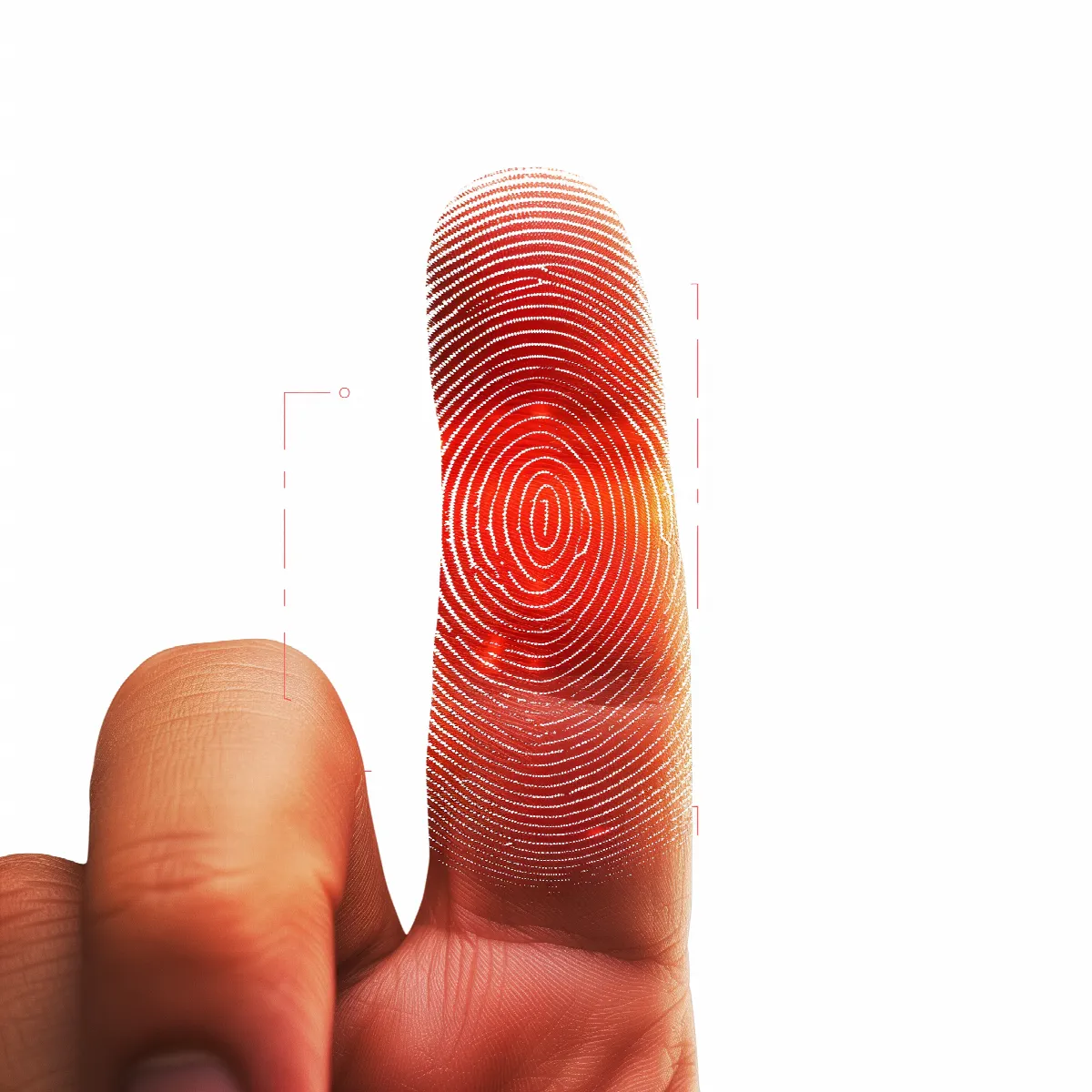
In the bustling metropolis of Dubai and across the UAE, biometric technology has revolutionized the way we perceive security and convenience. From fingerprinting to advanced facial recognition, the journey of biometrics from a niche security measure to a daily convenience reflects a significant technological evolution. However, as we embrace this digital transformation, it’s crucial to address the privacy and ethical challenges that accompany it.
The Rise of Biometrics in the Middle East
The Middle East, particularly Dubai, has seen a rapid adoption of biometric solutions for identification and security. Innovations such as national eID cards and digital identity modules have become commonplace, offering both citizens and residents enhanced security and convenience. Qatar’s dual interface cards, for instance, exemplify this trend by enabling secure access to a wide array of public services, from healthcare to financial transactions, through biometric authentication.
In the travel sector, biometric passports and smart gates at airports have streamlined the passenger experience, reducing boarding times by up to 30% and minimizing the risks associated with forged documentation. This seamless integration of biometric technology into everyday life points to a future where security and convenience go hand in hand.
Silent Authentication: A Double-Edged Sword
The advent of silent, or continuous, authentication presents a new frontier in biometric technology. By analyzing passive behavioral biometrics, such as geo-location and device interaction patterns, this technology offers the promise of a more seamless and secure user experience. However, it also raises significant ethical concerns, particularly regarding privacy and consent. The continuous nature of this authentication method has sparked debate and led to the implementation of restrictive legislation in regions like Europe.
Balancing Security with Privacy
The distinction between biometric authentication and identification is crucial in navigating the ethical and privacy concerns associated with this technology. While authentication provides a secure means of verifying identity, identification without consent poses significant risks, including privacy invasion and potential misuse of sensitive information.
To mitigate these risks, it’s essential to establish tighter regulations and promote corporate responsibility. Biometric technology development companies must be transparent about their deployment strategies, ensuring that users understand how their data is used and protected.
Looking Ahead
Despite the challenges, the benefits of biometric technology in enhancing security and improving processes across various sectors cannot be overlooked. As Dubai continues to embrace digital transformation, the integration of biometric technology promises a more secure and convenient future for residents and visitors alike. By addressing the ethical and privacy concerns head-on, we can ensure that this revolutionary technology serves the greater good, balancing security with the fundamental right to privacy.
In conclusion, as we navigate the evolving landscape of biometric technology in Dubai and the UAE, it’s imperative to strike a balance between innovation and ethical responsibility. By doing so, we can harness the full potential of biometrics to create a safer and more efficient society while safeguarding individual freedoms and privacy.
The UAE week, every Monday
The week's stories on jobs, visas, money and daily life in one short email. Unsubscribe in one click.