Dubai Tenant Rights: Claim Maintenance Compensation from Landlords
Learn how Dubai tenants can claim reimbursement for emergency maintenance costs when landlords fail to respond under Law No. 26 of 2007.
By Vadim Kouznetsov, published
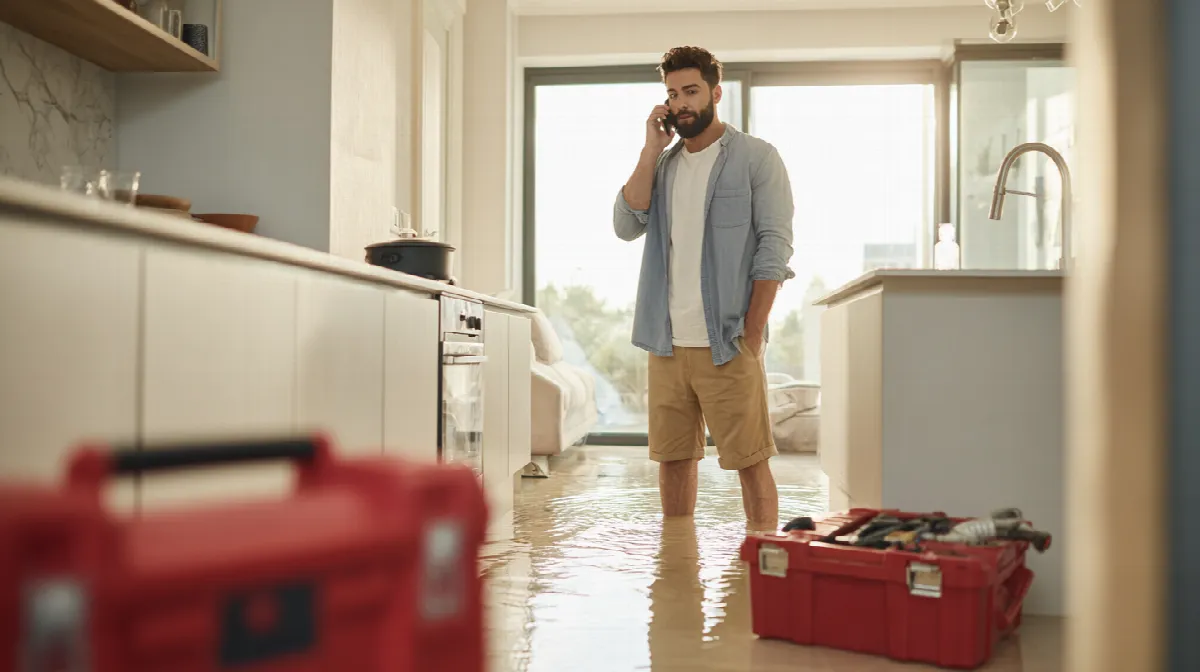
Dubai tenants who cover emergency maintenance costs after landlords fail to respond can seek reimbursement through the Dubai Rental Dispute Centre, according to UAE rental law.
Article 16 of Law No. 26 of 2007 establishes that landlords bear responsibility for property repairs and maintenance unless the rental contract specifies otherwise.
What Does the Law Say?
Law No. 26 of 2007, which regulates relationships between landlords and tenants in Dubai, clearly defines maintenance responsibilities.
Article 16 states: “Unless otherwise agreed by the parties, a landlord shall, during the term of the lease contract, be responsible for the real property maintenance works and for repairing any breakdown or defect that affects the tenant’s full intended use of the real property.”
This means landlords must:
- Handle all major maintenance and repairs
- Fix defects affecting the tenant’s use of the property
- Respond to maintenance emergencies promptly
- Bear the financial costs of repairs
The law places these responsibilities on landlords by default, though rental contracts can specify different arrangements.
When Can Tenants Claim Compensation?
Tenants can seek reimbursement for maintenance expenses when:
Emergency Situations: Urgent issues requiring immediate attention, such as plumbing floods, electrical failures, or security breaches
Landlord Non-Response: The landlord or property management company fails to address the problem after being contacted multiple times
Tenant-Initiated Repairs: The tenant must hire contractors to prevent further damage or restore essential services
Major Maintenance Issues: Problems clearly falling under landlord responsibility, not minor wear-and-tear
The key factor is demonstrating that the landlord or management company was notified but failed to take action, forcing the tenant to resolve the emergency independently.
What Counts as Landlord Responsibility?
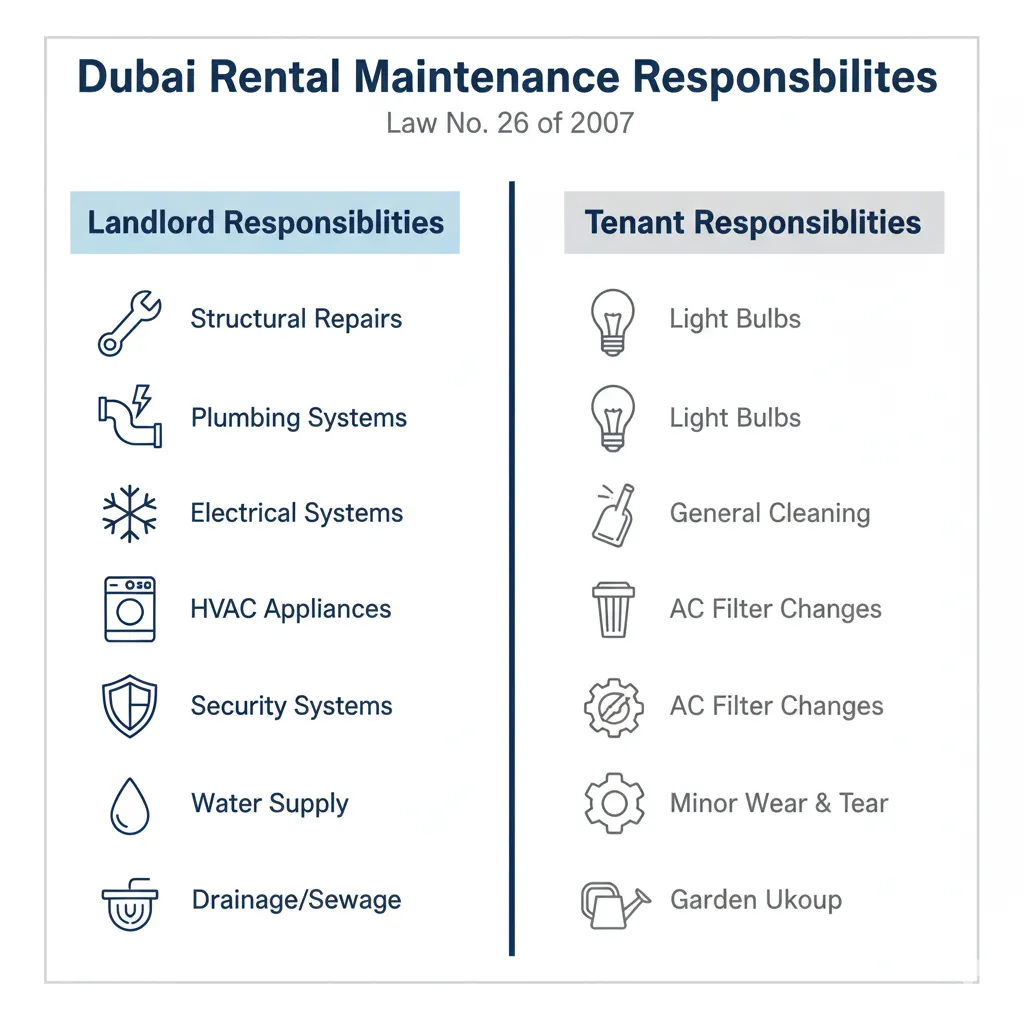
Under Dubai law, landlords typically handle:
- Structural repairs (walls, roofs, foundations)
- Plumbing systems and drainage
- Electrical systems and wiring
- Heating and cooling systems
- Major appliance repairs (if provided with the property)
- Building security systems
- Water supply issues
- Drainage and sewage problems
Minor maintenance like replacing light bulbs, cleaning, or general upkeep typically falls to tenants unless specified otherwise in the contract.
How to Seek Reimbursement
Follow these steps to claim compensation for maintenance costs:
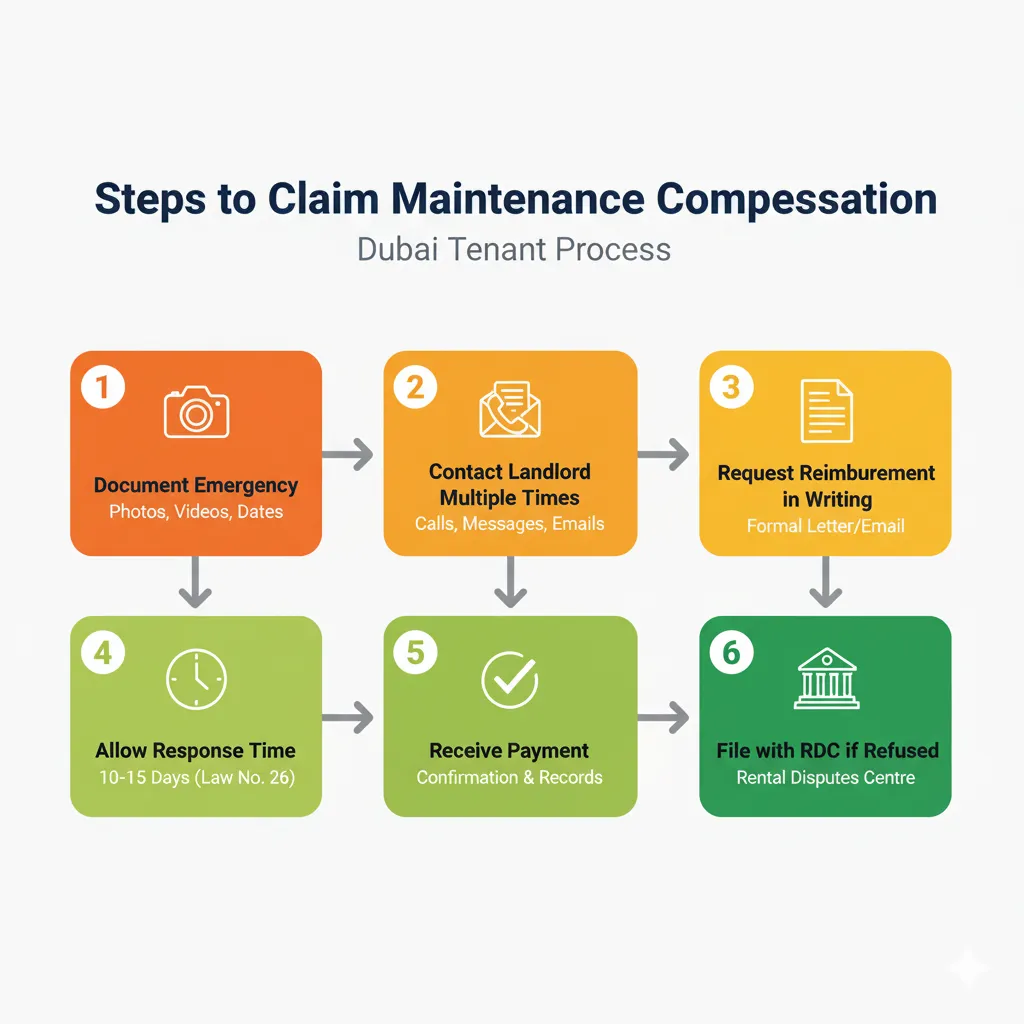
Document Everything: Keep all evidence including:
- Photographs and videos of the problem
- Timestamps showing when the issue occurred
- Records of all communication attempts with the landlord or management company
- Receipts and invoices from contractors
- Written estimates if obtained before repairs
Contact Your Landlord First: Make multiple documented attempts to reach your landlord or property management through:
- Phone calls (note times and dates)
- Emails (save all correspondence)
- Text messages (screenshot conversations)
- WhatsApp messages (preserve chat history)
Request Reimbursement in Writing: After completing repairs, submit a formal reimbursement request including:
- Detailed description of the emergency
- Timeline of events
- Evidence of contact attempts
- Original receipts and invoices
- Photos of the completed work
Allow Reasonable Response Time: Give your landlord or management company adequate time to review and respond to your claim.
File with Dubai Rental Dispute Centre: If the management company refuses reimbursement or doesn’t respond, you may file a formal complaint with the Dubai Rental Dispute Centre.
What Is the Dubai Rental Dispute Centre?
The Dubai Rental Dispute Centre (RDC) serves as the judicial arm of Dubai Land Department, specialising in resolving conflicts between tenants and landlords.
The RDC can:
- Review evidence from both parties
- Determine responsibility for maintenance costs
- Order reimbursement where appropriate
- Resolve disputes regarding contract interpretations
- Issue binding decisions
Filing with the RDC requires:
- Your tenancy contract
- Documentation of the maintenance issue
- Evidence of communication attempts
- Receipts for expenses incurred
- Written summary of the dispute
The centre operates through a structured process designed to resolve disputes fairly and efficiently, considering tenant rights under Dubai law.
What About Contract Clauses?
Some rental contracts include clauses transferring certain maintenance responsibilities to tenants.
Always review your contract carefully to determine:
- Which repairs fall under tenant responsibility
- Which remain landlord obligations
- Any spending limits or approval requirements
- Procedures for emergency situations
Even with modified agreements, landlords cannot completely abdicate responsibility for major structural issues or problems affecting the property’s habitability.
If your contract places extensive maintenance burdens on you as a tenant, this could affect the property’s rental value under RERA guidelines.
Preventing Future Issues
To avoid similar situations:
Establish Clear Communication Channels: Get multiple contact methods for your landlord and property management from the start
Create Emergency Protocols: Clarify procedures for handling urgent maintenance before problems occur
Document Everything: Photograph the property’s condition at move-in and maintain records of all maintenance issues
Understand Your Contract: Read your tenancy agreement thoroughly, noting all maintenance-related clauses
Build a Response Timeline: Know how quickly your landlord typically responds to help gauge when escalation becomes necessary
Keep Emergency Contacts: Maintain a list of approved contractors if your landlord prefers specific service providers
For tenants experiencing ongoing issues with unresponsive landlords, understanding your legal rights and options under Dubai rental law remains essential.
When Immediate Action Is Necessary
In genuine emergencies threatening life, safety, or significant property damage, tenants should:
- Take immediate action to prevent harm
- Document the emergency situation thoroughly
- Attempt to notify the landlord simultaneously
- Hire qualified contractors for proper repairs
- Preserve all evidence and receipts
Examples of situations requiring immediate action include:
- Gas leaks
- Severe water leaks or flooding
- Electrical hazards
- Structural damage threatening safety
- Security breaches like broken doors or windows
- Complete loss of essential utilities
In these scenarios, courts and dispute resolution centres typically view tenant-initiated repairs favourably, particularly when landlords were notified but failed to respond.
The law protects tenants who act reasonably to prevent greater harm whilst maintaining documented proof of the emergency and their efforts to contact the landlord.
Key Takeaway
Dubai tenants can claim compensation for emergency maintenance costs when landlords fail to respond, as Law No. 26 of 2007 makes landlords responsible for property repairs unless the rental contract states otherwise, with disputes resolved through the Dubai Rental Dispute Centre.
Frequently Asked Questions
Can I deduct maintenance costs from my rent payment? No. Dubai law doesn’t allow tenants to unilaterally deduct expenses from rent. You must seek reimbursement through proper channels, either from the landlord directly or through the Rental Dispute Centre if necessary.
How long should I wait before hiring a contractor myself? For genuine emergencies, reasonable attempts to contact the landlord should be made but shouldn’t delay critical repairs. For non-emergencies, allow at least 24-48 hours for a response before proceeding independently.
What if my rental contract says I’m responsible for all maintenance? Even with such clauses, landlords remain responsible for major structural repairs and issues affecting the property’s habitability. Contract terms cannot completely override tenant protections under Dubai law.
Do I need approval before hiring a contractor? Ideally yes, but in genuine emergencies where the landlord is unresponsive, you may need to act immediately. Document all attempts to reach the landlord and explain the urgency in your reimbursement request.
Can my landlord refuse to reimburse me? Landlords can refuse, but if your claim is justified under Article 16 of Law No. 26 of 2007, you can file a complaint with the Dubai Rental Dispute Centre, which will review evidence and make a binding decision.
What if the management company says they’re not responsible? Property management companies typically act on behalf of landlords. If they refuse to handle legitimate maintenance issues, contact the property owner directly and document the management company’s refusal when seeking reimbursement.
Further Reading
The UAE week, every Monday
The week's stories on jobs, visas, money and daily life in one short email. Unsubscribe in one click.