UAE Internet Slow WiFi Issues: Red Sea Cable Cuts Cause Disruption
UAE facing slow internet and WiFi issues due to Red Sea undersea cable cuts. e& and du confirm repair delays affecting browsing speeds.
By Vadim Kouznetsov, published

Internet users across the UAE have been experiencing frustrating connectivity issues in recent days, with slower browsing speeds, interrupted video calls, and laggy streaming becoming the norm rather than the exception. The root cause lies thousands of kilometres away beneath the Red Sea waters.
The Undersea Cable Crisis
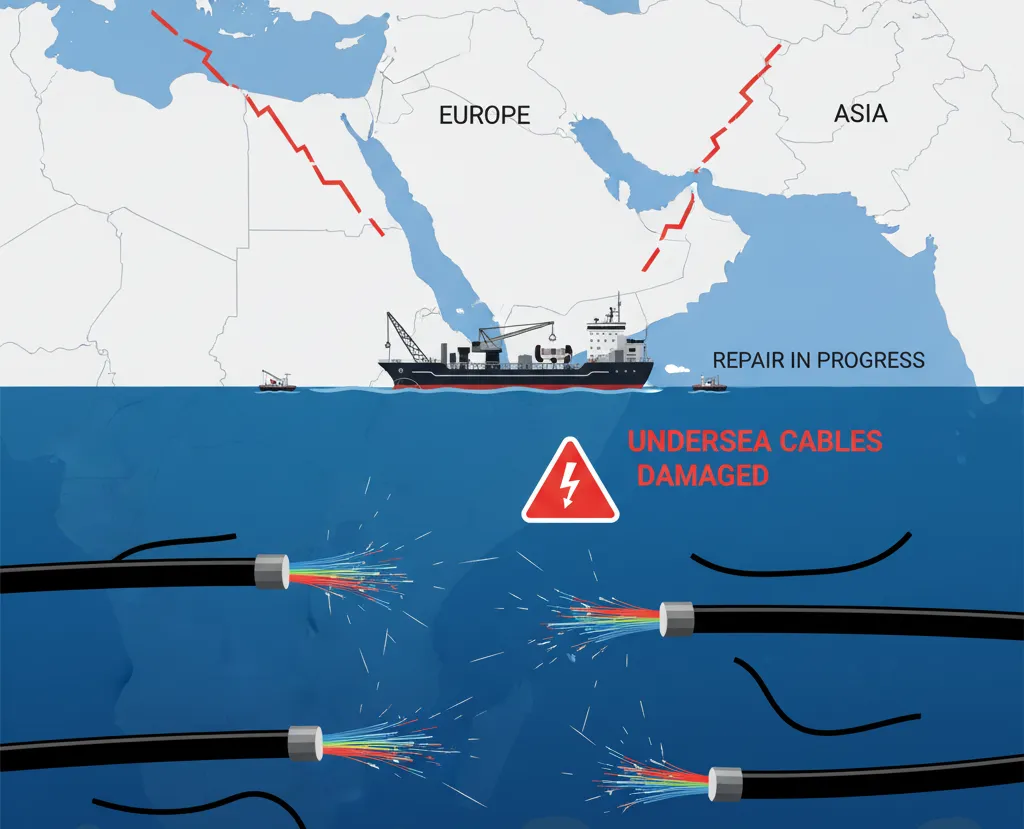
Several critical undersea cables in the Red Sea have been severed, disrupting the vital communication links that connect Europe, Asia, and the Middle East. These submarine cables serve as the backbone of international internet infrastructure, carrying vast amounts of data across continents.
Technical teams at major UAE telecom operators e& and du have confirmed significant delays in repair operations. The damage has forced internet traffic to be rerouted through alternative pathways, resulting in the slower, less reliable connections that users are currently experiencing.
What UAE Internet Users Are Experiencing
The impact of these cable cuts has manifested in various ways across different online activities:
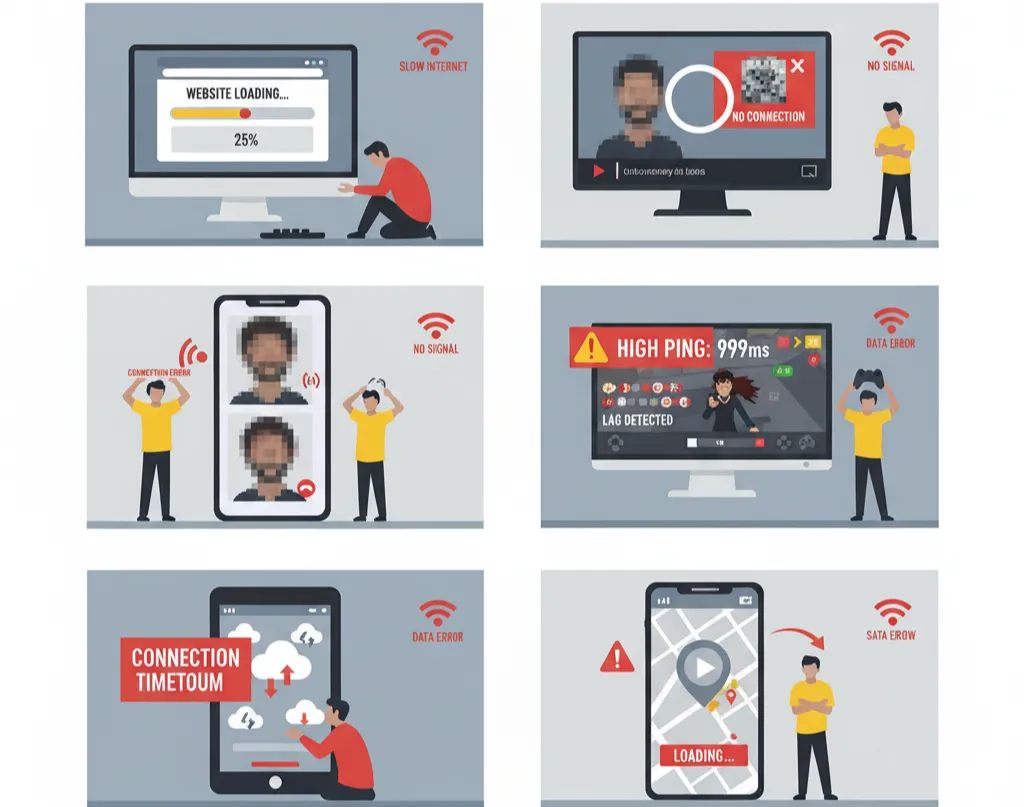
Website Loading Issues: Web pages that typically load instantly now take considerably longer to appear. This delay affects everything from news websites to online shopping platforms, with even a few extra seconds of loading time causing user frustration and site abandonment.
Streaming and Entertainment Disruption: Video streaming platforms are experiencing increased buffering, while online gaming has become nearly unplayable for many users due to high latency and connection drops. Video calls through various platforms frequently freeze or disconnect unexpectedly.
Business and Productivity Impact: Professional users relying on cloud-based services, particularly Microsoft Azure and similar platforms, are reporting significant delays and difficulties accessing critical business applications. This disruption affects remote work capabilities and business operations.
Mobile Navigation Problems: Essential daily tools like Google Maps are loading slowly or failing to refresh location data in real-time, causing inconvenience for commuters and travellers who depend on accurate navigation information.
Complete Service Outages: Some users have experienced total internet blackouts, where connectivity drops entirely for periods ranging from minutes to hours.
The Broader Infrastructure Vulnerability
This incident highlights a critical weakness in global internet infrastructure. Despite the interconnected nature of modern communications, certain geographical bottlenecks—like the Red Sea—carry disproportionate amounts of international traffic.
When these strategic pathways are compromised, the effects ripple across continents, affecting millions of users simultaneously. For the UAE, positioned as a global business and travel hub, reliable internet connectivity isn’t merely convenient—it’s fundamental to economic operations.
The situation demonstrates how a single regional incident can impact international commerce, remote work capabilities, and daily digital activities for users thousands of kilometres away.
Technical Challenges in Repair Operations
Repairing undersea cables presents unique engineering challenges that explain the extended timeline for restoration:
Deep Sea Operations: Cable repair ships must locate the damaged sections on the ocean floor, often at significant depths, requiring specialised equipment and favourable weather conditions.
Cable Retrieval and Replacement: Once located, damaged cable sections must be carefully lifted to the surface, cut away, and replaced with new segments—a process that can take days or weeks depending on the extent of damage.
Testing and Restoration: After physical repairs, extensive testing ensures signal integrity before the cable is returned to service, adding additional time to the restoration process.
Impact on UAE’s Digital Economy
The internet slowdown affects various sectors of the UAE’s economy differently:
Remote Work and Business Operations: Companies relying on cloud services and international communication are experiencing reduced productivity and operational difficulties.
E-commerce and Digital Services: Online retailers and service providers may see decreased user engagement due to poor website performance and loading issues.
Education and Online Learning: Students and educational institutions using online platforms face disruptions to digital learning activities and virtual classroom participation.
Tourism and Hospitality: Visitors expecting reliable internet connectivity for business or leisure purposes may experience frustration, potentially affecting the tourism experience.
What to Expect in Coming Weeks
Based on technical assessments from telecom operators, UAE internet users should prepare for continued disruption:
Extended Repair Timeline: The complex nature of undersea cable repairs means restoration could take several more weeks, depending on weather conditions and the extent of damage discovered during repair operations.
Intermittent Performance: While some traffic rerouting provides partial relief, users should expect continued slowdowns and occasional connectivity drops as repair work progresses.
Gradual Improvement: Performance improvements may occur in stages as individual cable repairs are completed and additional traffic capacity comes online.
Coping Strategies for Users
While waiting for full service restoration, internet users can adopt several strategies to minimise disruption:
Peak Hour Avoidance: Using internet services during off-peak hours may provide better performance when network congestion is lower.
Alternative Connectivity: Mobile data networks may perform differently than fixed-line connections, offering backup options during severe disruptions.
Patience with Business Applications: Allow extra time for cloud-based work applications and consider offline alternatives where possible.
Streaming Adjustments: Lower video quality settings can help reduce buffering issues during streaming activities.
Long-Term Infrastructure Implications
This incident may accelerate discussions about diversifying international connectivity pathways to reduce dependence on vulnerable chokepoints like the Red Sea route. Infrastructure planners may consider additional cable routes and redundancy measures to prevent similar widespread disruptions in the future.
The UAE’s position as a regional connectivity hub means that lessons learned from this incident could influence future telecommunications infrastructure investments and international cable routing decisions.
FAQs
Why is my internet slow in the UAE right now? Undersea cables in the Red Sea have been cut, disrupting connections between Europe, Asia, and the Middle East. This forces internet traffic through slower alternative routes.
Which UAE telecom operators are affected by the slow internet? Both e& and du have confirmed they are affected by the undersea cable cuts, with their technical teams reporting delays in repair operations.
How long will the internet slowdown last in the UAE? Repairs to undersea cables are complex and may take several more weeks. Users should expect continued slowdowns and occasional outages during this period.
What specific problems are UAE internet users experiencing? Users report slower website loading, streaming buffering, video call freezing, laggy online games, cloud service delays, and slow-loading mobile apps like Google Maps.
Is this affecting business operations in the UAE? Yes, businesses using cloud services like Microsoft Azure are experiencing delays and difficulties accessing critical applications, impacting productivity and operations.
Further Reading
The UAE week, every Monday
The week's stories on jobs, visas, money and daily life in one short email. Unsubscribe in one click.