Does Travel Insurance Cover War? UAE Travellers Face Rising Premiums
UAE travellers discover war exclusions in travel insurance as Middle East tensions drive 18% premium increases. Learn what’s covered and what isn’t.
By Vadim Kouznetsov, published
Recent armed conflicts between Israel and Iran have left UAE travellers questioning their insurance protection. With flight cancellations extending across Iraq, Jordan, Lebanon, Iran, and Israel, many Emirates residents are discovering the harsh reality about war coverage in standard travel policies.
The Hard Truth About War Coverage
Standard travel insurance policies exclude claims arising directly from geopolitical unrest or military conflict, according to Toshita Chauhan, chief business officer for general insurance at Policybazaar.ae. This means if your holiday plans crumble due to regional warfare, your policy won’t compensate you for the disruption.
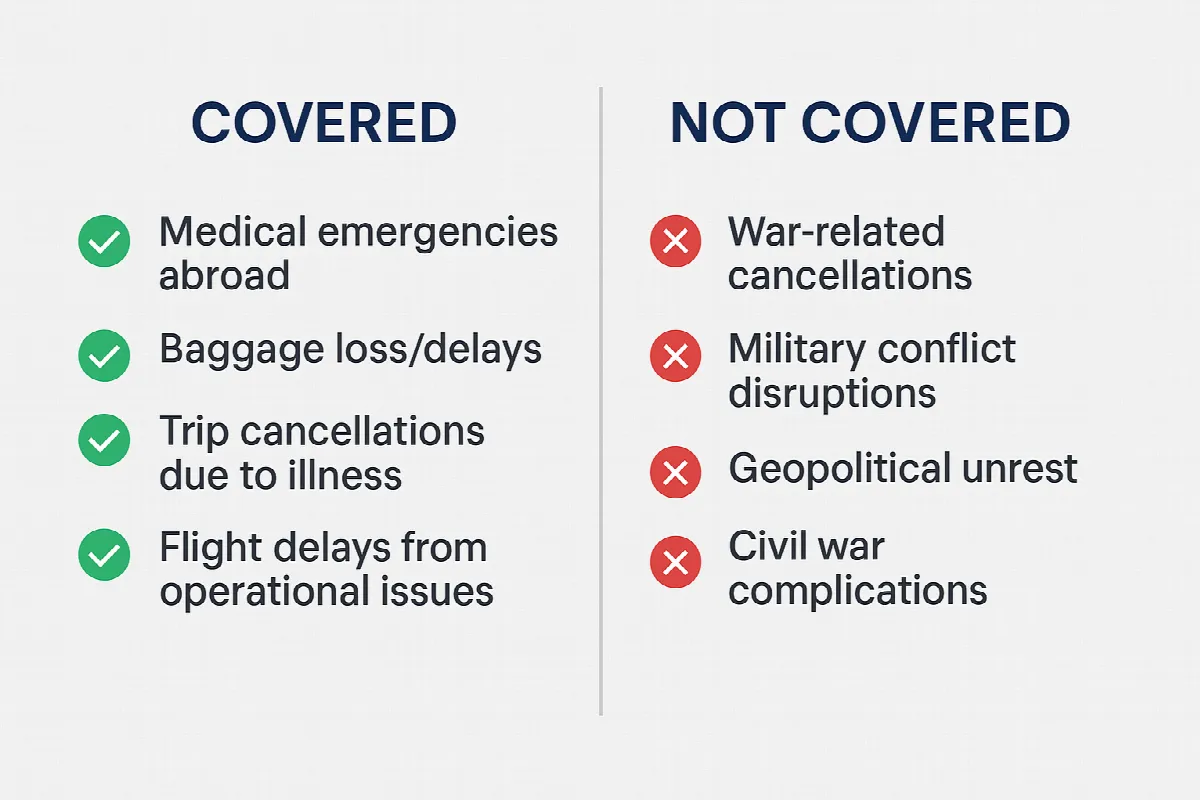
Travel insurance typically covers:
- Medical emergencies abroad
- Baggage loss or delays
- Trip cancellations due to illness
- Flight delays from operational issues
What it doesn’t cover:
- Cancellations due to war or civil unrest
- Losses from military actions
- Geopolitical disruptions
- Armed conflict complications
Flight Disruptions Drive Insurance Demand
UAE airlines have cancelled flights to multiple Middle Eastern destinations, forcing travellers to change plans at the last minute. This uncertainty has sparked increased interest in travel protection, with trip cancellation and flight delay coverage becoming the most sought-after features.
The recent Air India crash, which reportedly killed all passengers except one, has further heightened consumer interest in flight protection. However, many travellers are discovering they need airline-specific coverage rather than traditional travel insurance.
Premium Surge Hits UAE Travellers
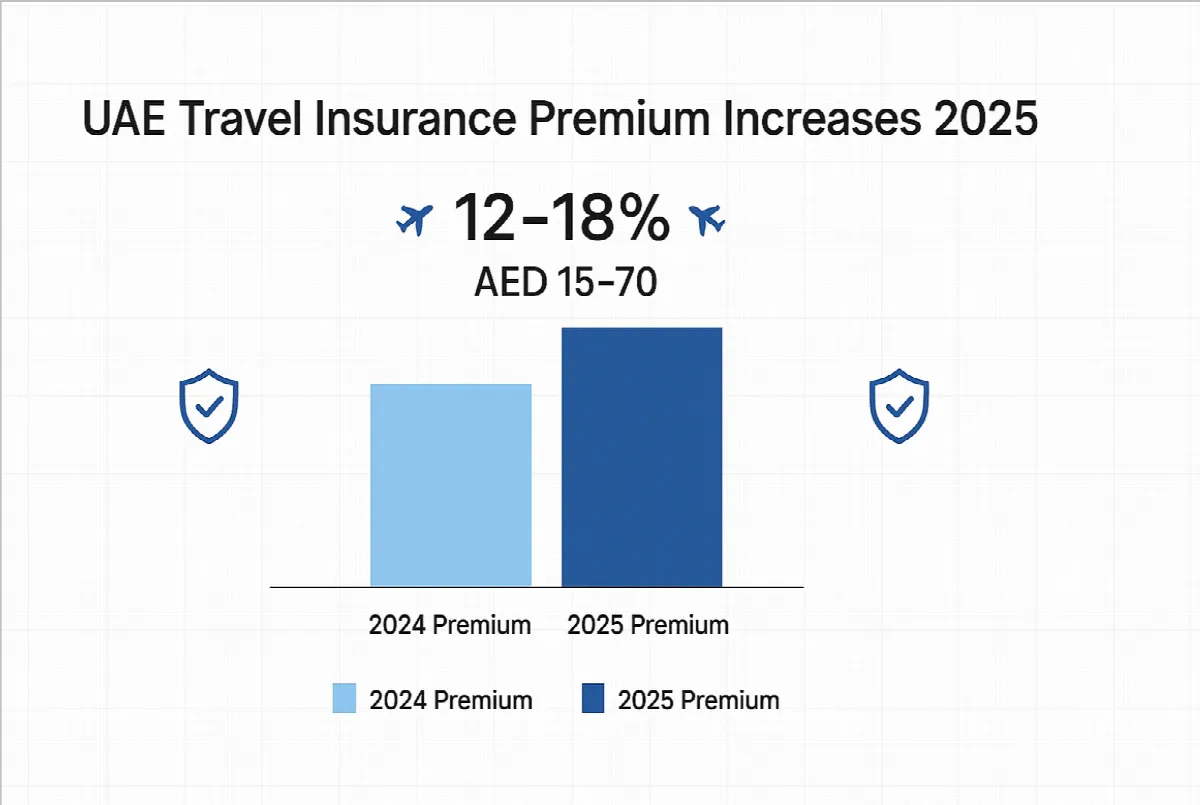
Even before the Israel-Iran missile exchanges, travel insurance costs had already climbed significantly. UAE travellers now pay 12-18% more for coverage compared to last year, with policies increasing by AED 15-70 depending on destination and duration.
Europe-bound travellers face the steepest increases ahead of peak season. Despite these rises, industry experts maintain that travel insurance remains affordable on a per-trip basis, especially considering the potential costs of medical emergencies abroad.
Mandatory Coverage Requirements Expanding
More countries now require travel insurance as an entry requirement, particularly post-pandemic. Schengen zone nations mandate minimum coverage of €30,000 (AED 126,387) for medical emergencies. Thailand, Turkey, and certain Gulf states have introduced similar requirements for specific visa categories.
This global shift towards stricter health and financial safeguards makes travel insurance increasingly necessary for international travel.
Medical Costs Justify Insurance Investment
A single hospitalisation abroad can cost thousands of dollars, making travel insurance a wise financial decision beyond just regulatory compliance. Modern policies offer comprehensive protection against:
- Emergency medical treatment
- Covid-19 related disruptions
- Trip cancellations from illness
- Baggage mishandling
- Flight delays and cancellations
UAE expatriates visiting home countries increasingly include travel insurance in their travel preparations, recognising that even short visits can expose them to unexpected expenses.
Policy Features for Regional Concerns
While war coverage remains excluded, travel insurance still provides value for Middle East travellers through:
Operational Protection: Coverage for missed connections and baggage delays caused by airline operational failures rather than geopolitical events.
Medical Security: Full medical coverage regardless of regional tensions, providing peace of mind for health emergencies.
Flexible Policies: Options allowing travellers to choose coverage matching their specific needs and budgets.
Making Smart Insurance Decisions
Travel insurance experts recommend purchasing coverage early in your planning process. Foreign embassies in Europe, North America, and certain Asian countries now require proof of insurance for visa applications.
Consider these factors when selecting coverage:
- Destination requirements
- Trip duration and cost
- Your existing health insurance coverage abroad
- Activities planned during travel
The Bottom Line
While travel insurance won’t protect you from war-related cancellations, it remains valuable for medical emergencies, operational disruptions, and unexpected travel complications. UAE travellers should understand policy limitations while recognising the financial protection insurance provides for other travel risks.
As regional tensions persist and insurance costs rise, making informed decisions about travel protection becomes increasingly important for Emirates residents planning international trips.
Key Takeaway: Travel insurance doesn’t cover war or geopolitical conflicts, but provides essential protection for medical emergencies and operational disruptions. UAE travellers face 12-18% higher premiums in 2025, yet coverage remains worthwhile for international medical costs and trip complications.
Further Reading
The UAE week, every Monday
The week's stories on jobs, visas, money and daily life in one short email. Unsubscribe in one click.